• Skip to main content
  • Skip to footer

United Way of San Diego County

Donate Today

  • Community Work
    • Education
      • United for Literacy
      • STEAM-to-Careers
    • Economic Mobility
      • EITC Free Tax Preparation
      • SparkPoint Financial Coaching
      • Bank On Coalition
    • Community Partnerships
  • Corporate Partnerships
    • Corporate Social Responsibility
    • Workplace Giving
    • Corporate Volunteerism
    • Corporate Partners
  • Get Involved
    • Ways to Give
      • Donate
      • Planned Giving
      • Donate Stocks
      • Live United. Give United.
    • Volunteer
    • Networking & Philanthropic Groups
      • Leaders United
      • Women United
      • Tocqueville Society
    • A Night United Gala
  • About Us
    • About Us
    • Leadership & Board 
    • News & Media
    • Careers
    • Reports & Publications
  • Blog
  • Contact Us

Leadership
& Board

Advancing Our Mission

Our Leadership and Board

Our passionate team is wholeheartedly dedicated to changing the lives of San Diego's children, individuals, and families. Each member has forged a career rooted in community, values the power of uniting together, and shares UWSD's vision for a better tomorrow.

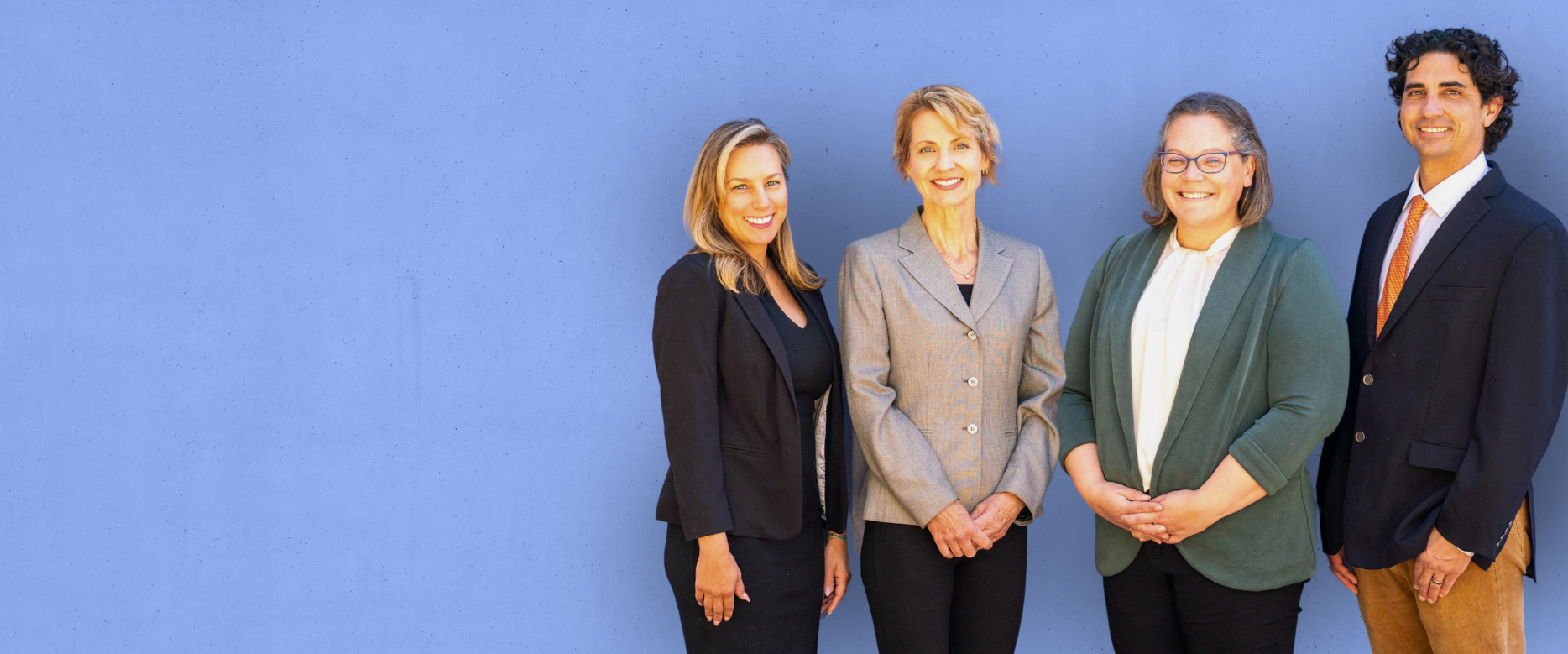
Meet Our Executive Leadership Team

Our leadership fosters vision, empowers teams, and drives positive social change with passion and purpose.

Man smiling at a bank ATM

Banking on Community: How a Coalition Is Saving Unbanked San Diegans Thousands

Man smiling at a bank ATM

Key Takeaways

$40K
lifetime cost

Being unbanked is expensive. The average person without a bank account loses up to $40,000 over their lifetime in fees — money that, if invested, could grow to $360,000.

1 in 8
San Diegans

The problem is local. About 154,000 San Diego County residents — 13% of our community — are unbanked or underbanked right now.

$116K
needed annually

The cost of living makes it worse. A family of four in San Diego needs over $116,000 a year just to cover basic needs — the equivalent of three full-time minimum-wage jobs.

23
local partners

Solutions exist. The Bank On San Diego Coalition partners with 23 local financial institutions offering safe, low-fee, Bank On certified accounts — with a goal to add five more.

2030
CA graduates

The next generation is already being reached. California will require a personal finance course to graduate starting with the class of 2030 — and the Bank On San Diego Coalition isn’t waiting. Through programs like Dream with STEAM, we’re already delivering hands-on financial education and account access to teens across the county today.

Want to help? Whether you’re a financial institution, nonprofit, school, community connector, or donor — there’s a role for you. Get involved with Bank On San Diego →

The $40,000 Problem

$40,000. That’s the potential average cost over a lifetime of being unbanked.

When people don’t have a bank or credit union account, they typically rely on high-fee alternatives like check-cashing services, money orders, and payday loans that can easily drain $40,000 over a lifetime.

The cost may be even greater if you consider what that $40,000 could generate if it was invested over 40 years via a low-cost exchange-traded fund (ETF): $360,000 (source).

As costs rise, access to safe, low-cost financial tools becomes critical. Yet, right here in San Diego County, 13% of our community members (roughly 154,000 people) remain unbanked or underbanked.

Unbanked: There are approximately 5.6 million households in the United States that lack a bank or credit union account. Source

Underbanked: About 19 million households in the United States are underbanked, which means they use nonbank products like check cashing services, payday lending, pawn shops, or auto title loans to meet their core financial needs. Source

Living in San Diego County is expensive. The United Ways of California Real Cost Measure study shows that even though San Diegans are working hard, too many are still struggling to meet their basic needs. 

The report shows a family of four in San Diego County with two adults, one child in elementary school, and one in preschool actually needs more than $116,000 annually just to meet basic needs. That’s the equivalent of three full-time minimum-wage jobs.

The Real Cost Measure also finds that:

  • Almost HALF of San Diego County families with children under age six are not making enough to cover their expenses.
  • On average, 97% of households below the Real Cost Measure in San Diego have at least one working adult.
  • Approximately 70% of single-mother households in San Diego County are not meeting the basic costs of living.

With so many people struggling to meet even their basic needs, low-cost financial tools become especially critical.

What It’s Like To Be Unbanked 

Sign on a building that says "Checks Cashed"

When you’re unbanked, payday looks very different. Without access to a bank or credit union, you’re often forced to rely on expensive alternatives like check-cashing services, payday loans, and prepaid cards, which are all loaded with hidden fees and high interest. 

The first stop on the way home from work might be a check casher who takes a cut of your earnings. When the gas and electric bill is due, it might mean traveling to a big box store and paying another fee to load money onto a prepaid card. 

Over time, paycheck after paycheck, these small fees add up to tens of thousands of dollars, money that could have gone toward rent, groceries, or savings. 

Unbanked “cash only” households must rely primarily on in-person cash transactions and thus are at risk of theft or loss when handling their day-to-day finances (source). 

Banking access is foundational to economic security. When people have access to equitable banking solutions, they keep more of their earnings, weather financial shocks better, avoid predatory lenders, and start building real financial stability. 

Reasons People Are Unbanked

Research from the Federal Deposit Insurance Corporation (FDIC) in 2023 shows that there are many reasons people lack a basic bank or credit card account: 

Unbanked Households’ Cited Reasons for Not Having a Bank Account by Interest in Having a Bank Account from the 2023 FDIC Report: 

  • Not enough money for the minimum balance
  • Distrust of financial institutions
  • Feelings that avoiding a bank gives more privacy
  • High or unpredictable fees
  • Don’t have personal identification required to open an account
  • Credit or banking history problems
  • Feelings that banks do not offer needed products and services
  • Inconvenient locations or lack of accessibility in “bank deserts”

Much higher proportions of unbanked households that were not very or not at all interested in having a bank account cited “Don’t trust banks” or “Avoiding a bank gives more privacy” as reasons for not having an account, compared with unbanked households that were very or somewhat interested. 

“Banks do not offer needed products and services” was more commonly cited among unbanked households that were not very or not at all interested in having an account. 

In contrast, “Don’t have personal identification required to open an account” was more frequently cited among unbanked households that were very or somewhat interested.

The People Most Likely To Be Unbanked

In their 2019 survey, the FDIC stated that unbanked rates tend to be higher among certain segments of the population, namely households with low, volatile, or no income (the FDIC stopped asking about income volatility in its 2021 report). Education can also be influential, as people without a high school diploma were found to be more likely to lack a bank account.

According to the 2023 FDIC survey, unbanked rates remain disproportionately high for specific groups, including households with volatile monthly incomes, single-parent families, and working-age individuals living with disabilities. The data also highlights persistent barriers to traditional banking for families with less access to formal education, as well as Black, Hispanic, and Indigenous communities.

Some good news is that between 2009 and 2023, the unbanked rate among Black households decreased from 21.4% to 10.6% and the unbanked rate among Hispanic households decreased from 19.6% to 9.5%. 

However, Black households remained overrepresented among unbanked households, comprising 12.9% of households overall but 32.3% of the unbanked in 2023 as well as Hispanic households, which comprised 14.8% of households overall, but made up 33.4% of the unbanked. (source).

The Bank On San Diego Coalition: Building an Ecosystem of Support 

Group photo of the dozens of participants at UWSD's Bank On Forum 2026

No one should lose $40,000 over a lifetime because they lack a bank or credit union account. That’s why United Way of San Diego County (UWSD) leads the Bank On San Diego Coalition, a partnership between financial institutions, nonprofits, government partners, and community leaders to share local data and identify concrete actions to expand banking access across the county.

The Bank On San Diego Coalition leverages resources and expertise to: 

  • Implement financial literacy education programs.
  • Promote safe, accessible, low-cost financial products and services.
  • Conduct outreach to underserved communities. 
  • Help San Diegans take control of their money.

How United Way of San Diego County Is Serving the Community

Collaboration requires trust, transparency, and coordination, and creating the space for these relationships to grow is one of United Way of San Diego County’s most important roles. 

UWSD is honored to be one of five organizations selected for a national Bank On Fellowship, supported by the Cities for Financial Empowerment Fund (CFE) and the Wells Fargo Foundation. Through this fellowship, UWSD’s Nina Ghatan serves as our two-year fellow, working alongside our 23 current partners across financial institutions, nonprofits, and regulatory agencies. 

Together with our other initiatives, such as the San Diego County Earned Income Tax Credit (EITC) Coalition for free tax prep and tax credit help, SparkPoint financial coaching, and local education programs and partnerships, we are building a continuum of support, putting money back into hardworking families’ pockets and providing the banking access needed to keep it there. 

The Standard: Bank On Certified Accounts

Not all financial products are created equal. The CFE Fund has created national standards to ensure accounts truly serve the people who need them most. Nationally, there are over 500 financial institutions with certified accounts. 

In San Diego County alone, we’ve built a network of 23 local financial institutions that offer Bank On certified accounts that are: 

  • Safe: Designed to prevent negative balances. If a transaction exceeds the available funds, it is simply declined, preventing overdraft fees.
  • Affordable: Featuring no or very low monthly maintenance fees.
  • Functional: Providing full digital access via online portals and mobile apps, physical branch access, direct deposit capabilities, and online bill pay. 

One of our goals over the next two years is to help five more local financial institutions achieve Bank On certification.

Identifying the Gaps: Banking Deserts 

Participants at the Bank on San Diego 2026 Forum listening to a speaker with a slide that says "Banking Deserts Dashboard"

Expanding access requires knowing exactly where the gaps are. During our recent 2026 Bank On Forum, we were joined by Jessica Coria, Senior Outreach Manager for Southern California at the Federal Reserve Bank of San Francisco. 

Jessica walked coalition members through the newly updated Banking Deserts Dashboard (released in November 2025). This powerful tool highlights exactly where banking deserts exist in San Diego County, which communities are most impacted, and how access to physical branches and digital tools varies by geography. 

While quantitative data like this dashboard is a crucial piece of the puzzle, lived experience, local context, and community voice are equally important. Trust matters. That is why integrating banking access directly into existing, trusted community programs is far more effective than relying on flyers or one-time referrals.

Real-World Integration to Banking Access & Financial Literacy 

High school students at a Bank On San Diego financial literacy educational event with a slide on the projector that says "What is the 50/30/20 rule?"

To meet people where they are, we must weave banking access directly into the fabric of our community programs. A prime example is UWSD’s Dream with STEAM program. 

This 4-week summer career exploration program introduces high schoolers from under-resourced communities to high-paying, in-demand careers while building financial readiness. Students who complete the program earn a $1,000 educational award, creating a natural opportunity to pair income with financial education and account access. 

We integrate this process seamlessly from the very beginning. As soon as students are notified of their acceptance, they are informed of the opportunity to open a Bank On certified account at orientation and told exactly what documentation they need to bring. On orientation day, we provide dedicated time for students and caregivers to enroll in Bank On certified accounts onsite, utilizing QR codes for easy digital setup. 

As they move into weekly programming, students receive one hour of financial education every week from Cal Coast Credit Union. During those early sessions, a financial institution partner stays onsite afterward to facilitate any additional account openings. We also facilitate classroom activities in which students create social media content about their financial literacy journey, enabling them to educate their peers. Finally, at the capstone celebration, students present their projects and share program highlights, reinforcing their newly acquired financial readiness skills. 

By making account openings and financial education a seamless part of the program design, we bypass the need for traditional advertising and build immediate trust. 

Another one of our goals is to build four similar banking integrations across the county over the next two years.

Empowering the Next Generation 


It is not just about getting people to sign up for Bank On certified accounts; it is about equipping them with the tools to succeed. 

In 2024, Governor Newsom signed AB2927 into law, requiring all high school students attending public and charter schools to complete a standalone personal finance course to graduate (beginning with the class of 2030). To discuss how we can capitalize on this momentum, UWSD moderated an expert panel during the 2026 Bank On Forum featuring:

  • Croquette Hudson, Director of Business Development, California Coast Credit Union
  • Pana Hap, Vice President of Programs & Policy, Junior Achievement of San Diego County
  • Patrick Della, Community Manager, JPMorgan Chase 

The consensus was clear: it is never too early to equip students with the tools to make informed financial decisions that will shape their entire lives. 

While San Diego boasts lower unbanked and underbanked rates than many other major regions, a significant gap remains. Access to an account is only the first step; many local families still feel a disconnect between simply having a bank account and feeling truly empowered by financial education. 

That is why taking an upstream approach, by reaching young people before they ever navigate the complexities of adult financial systems, is so critical. By instilling strong financial literacy and confidence in high school, we can prevent financial missteps before they happen. On an individual level in our community, this is how we shift the narrative from basic financial survival to long-term wealth building, giving San Diego County’s youth the agency to break generational cycles and build lasting financial security. 

How You Can Get Involved

The solutions exist. Our role now is to connect people, resources, and ideas to create clear pathways to financial security. Here is how you can take action today: 

  • Financial Institutions: If you are interested in exploring Bank On account certification in San Diego County, please reach out to us.
  • Nonprofits, Schools, and Public Agencies: If you want to integrate banking access and financial education into your existing programs (like workforce training or VITA tax sites), let’s talk. We are eager to explore opportunities.
  • Community Connectors: If you have relationships with financial institutions not yet involved, or community organizations working within banking deserts, your introductions can make a meaningful difference.
  • Donors: Your support unlocks scale. Whether you want to support coalition coordination, pilot new program integrations, or invest in upstream financial education, your partnership is vital. 

Together, we can break generational cycles of inequity and ensure all San Diegans have the tools they need to thrive today and in the future.

mother and son reading a book together at home

Beat the Summer Slide: Free Ways To Keep Kids Learning in San Diego County

mother and son reading a book together at home


▶ Watch on YouTube

Summer in San Diego County means sunshine, more time for kids to play, and a break from the school routine. But for many students, the months away from the classroom bring a hidden challenge known as the “summer slide,” a pattern of learning loss that can undo months of academic progress and literacy skills. 

At United Way of San Diego County (UWSD), we believe every child deserves the tools to succeed year-round. Childhood literacy is critical, but according to the 2025 KIDS COUNT Data Book, 71% of California’s 4th graders are currently not proficient in reading. This statistic is especially alarming because studies show that children who cannot read by fourth grade are four times more likely to drop out of high school (source). 

When children are empowered to read proficiently and graduate from high school, their entire world expands. They gain access to higher education, broader career choices, and greater financial independence. 

Helping students maintain these critical reading skills over the summer goes far beyond the classroom. It is a fundamental investment in their future and the foundation for a stronger, more equitable San Diego County. 

Let’s dive into what the summer slide actually is, what the research says about reversing it, and how we can all work together to support our community’s young readers.

The Reality of the “Summer Slide”

The “summer slide” is simply the term we use to describe the learning loss that occurs when kids are out of the classroom during summer break. It is a very real challenge, but understanding it is the first step to beating it. 

Here is what happens during those months away from school:

  • Skills start to slip: Research shows that, on average, kids lose more than a month’s worth of the math and reading skills they worked so hard to build during the school year.
  • Skill loss compounds: Every summer, learning loss compounds. The gap between where a child is and where they should be grows wider each year. By fifth grade, a child who experiences typical summer slide each year can be more than a full grade level behind peers who maintain their skills. By middle school, the gap becomes nearly impossible to close without intensive intervention (source).
  • Some families are hit harder: This learning loss takes a much heavier toll on kids from lower-income families. When household budgets are tight, it is often harder to afford new books, summer camps, or paid educational programs. Because of this, kids with fewer resources often experience a greater decline in their reading abilities (source).
  • Kids start the year a step behind: When children don’t have easy access to books or fun, engaging learning activities over the summer, they’re already at a disadvantage before the first bell of the new school year even rings. 

But this slide doesn’t have to happen! 

The Good News: Summer Reading Programs Actually Work

The summer slide is completely preventable! Research shows that fun, supportive summer reading programs can stop learning loss in its tracks and even help kids get a head start for the next school year. 

Here is what the studies tell us:

  • Covering the basics works: A recent study looked at kids heading into 1st, 2nd, and 3rd grade who joined a well-rounded summer reading program. The kids practiced the building blocks of reading (like sounding out letters and reading smoothly), while also exploring new words. The results were clear: kids from all different backgrounds and income levels either kept their reading skills strong or made major leaps forward.
  • Even short programs make a big difference: Another study looked at a 3-week summer tutoring program for kids from lower-income families. The children got one-on-one help, practiced recognizing everyday words, and read books that were just right for their age. In just three weeks, these kids became much better at spelling, sounding out words, and reading sentences correctly! 

The main takeaway? When we give our kids the right support and proven tools over the summer, we can keep them on track and set them up for a fantastic school year. 

How You Can Help Kids Avoid the Summer Slide 

mother and father reading to their two young daughters before bedtime
You don’t have to be a teacher to help a child maintain their reading skills. Here are a few simple ways parents, caregivers, and community members can help kids avoid the slide (source):

  1. 1

    Make Reading a Daily Habit

    Encourage kids to read for at least 20 minutes a day. Let them choose what they want to read, whether it’s a graphic novel, a magazine, or a chapter book — all reading is good reading!

  2. 2

    Focus on Comprehension

    Reading the words is only half the battle; understanding them is the other. Ask kids questions about the story. What do you think happens next? Why did the character do that?

  3. 3

    Leverage Local Resources

    San Diego County is home to incredible public libraries. Make regular trips to your local branch to check out new books and participate in free summer reading challenges.

  4. 4

    Read Together

    Model good reading habits. Read aloud to younger children to help them build fluency and vocabulary, and have family reading time where everyone reads their own book in the same room.

  5. 5

    Host a Summer Book Club

    Combine socializing with literacy by helping your child start a book club with their friends. Letting the kids choose the books together ensures they are far more motivated to read them and excited to discuss them.

  6. 6

    Weave Reading into Summer Activities

    Who says reading only happens in a book? Kids can easily stay engaged with learning by blending it into the activities they already love. Whether they are carefully following the instructions for a messy backyard science experiment, reading the recipe for a batch of homemade popsicles, or sounding out trail signs during a family hike, everyday summer activities are packed with hidden reading opportunities.

Free Reading & Learning Resources During the Summer in San Diego County 

Young boy holding a book and smiling in a library during a book giveaway with United Way of San Diego County

You don’t need a big budget or expensive tutors to keep your child’s reading skills sharp. San Diego County is full of incredible, completely free resources designed to support your family. Help is right in your neighborhood. For most of these, all you need is a free library card from your local library branch. 

  • San Diego Public Library Summer Reading Program: Spark your child’s curiosity and adventure this summer by joining the San Diego Public Library’s Summer Reading Program! From June 1 through August 15, your child can earn prizes for reading and completing activities, fueling a summer of imagination and discovery. To learn more and register for free to earn prizes, visit https://www.sandiego.gov/public-library/kidsandteens/summerreading
  • The San Diego County Library (SDCL) Summer Learning: The SDCL Summer at Your Library program is an annual initiative running from June 1 through August 31, designed for all ages to encourage reading and learning during the summer months. Participants can complete 10 books, hours of reading, or activities to earn prizes at any of the 33 branch locations. Visit https://www.sdcl.org/summer/ to learn more and register for free.
  • Literacy Partners Free Workshops: Literacy Partners invites families to join free, fun workshops on Early Literacy, STEM, and the Science of Reading. You can learn simple, effective ways to support your child’s learning, strengthen your connection, and build school readiness. Participants may also receive free Spanish-language books and resources to enjoy at home. Email Cesar Del Aguila at cesard@literacypartners.org to learn more.
  • We Strive for Literacy Free Tutoring: Give your child a boost this summer! If your K–5 student is struggling with reading, free tutoring is available to San Diego families. With evidence-based instruction, small-group or 1-on-1 sessions, and measurable results in weeks, your child can build confidence and skills. Virtual sessions offered—sign up today at https://westriveforliteracy.org/sign-up/. Limited spots available! For questions, you can contact Cortney Wallace at cwallace@westriveforliteracy.org.
  • ABCmouse (online learning from home): ABCmouse.com is a hugely popular, award-winning educational website and app. It uses fun, interactive games, puzzles, and digital books to help kids build foundational reading and phonics skills. It’s the #1 digital learning resource for children ages 2-8+ (Pre-K through 2nd Grade). You can use ABCmouse completely for free — all you need is a library card. Create an account with your library card at sdcl.org/elibrary.
  • Readalongs for Kids (online learning from home): Help your child improve their literacy skills this summer while enjoying the characters and stories they love. SDCL’s digital collection includes Readalongs for Kids, where a narrator reads the book aloud while the child follows along. Access the collection through the free app Libby or browse the Readalongs collection here. SDCL’s digital library is available from anywhere with just your library card.
  • PBS KIDS Reading Games: PBS KIDS offers hundreds of free, curriculum-based reading games for kids ages 2-8 via pbskids.org and the PBS KIDS Games App. These games focus on phonics, word recognition, and spelling. You can view a list of their top literacy games broken down by age here.
  • Ranger Rick’s DIY Reading Games: Building early literacy skills often looks like play. This list of 25 DIY reading games from Ranger Rick combines skill development with curiosity, creativity, and laughter. Most need only simple materials you might already have, and many take just 5-10 minutes.
  • Little Free Libraries: Tucked into front yards, parks, and street corners across San Diego County, Little Free Libraries are small, publicly accessible book-sharing boxes often shaped like a miniature house. They operate on a simple premise: take a book, share a book. Little Free Libraries are part of a global nonprofit movement called Little Free Library, which encourages reading, builds community, and expands access to books for people of all ages. Find one close to you here.
  • Library Summer Events: Libraries across San Diego County also celebrate with exciting community events throughout the summer. Enjoy special festivities, live performances, hands-on learning activities, and more! Visit the SDCL Events Page to learn more.
  • Free Museum Tickets: Discover & Go is a program offered by your SDCL library that provides free and low-cost passes to museums, science centers, zoos, theaters, and other cultural destinations. You must meet your library’s minimum age requirement and live within your library’s service area to use the Discover & Go Service. If you have questions about your Discover & Go pass, please contact your local library for assistance.

How United Way and Our Partners Are Pitching In 

Child stacking books with other children at a book giveaway table during a literacy event with United Way of San Diego CountyAt United Way of San Diego County, we want every child to have the chance to shine. But we also know it takes a village to keep our kids learning over the summer! 

That’s why we team up with local schools, nonprofits, businesses, policymakers, and neighbors like you to make reading and learning fun and accessible for everyone. Here’s what we are doing together:

  • Supporting Literacy Programs: Through our United for Literacy program, we work to support and strengthen the network of partners advancing literacy across San Diego County by facilitating collaboration through Taskforce meetings, raising awareness of the local literacy crisis among the general public and policymakers, and conducting research and providing evaluation support to help direct greater attention and resources to the field.  
  • Distributing Books: Through book drives and community events, we hand out free books so kids can fall in love with reading at home. In the last fiscal year (2024-2025) alone, we provided books, school supplies, and STEM activity kits to 2,100+ children across 10 community events. 
  • United for Literacy Task Force: While handing out books and funding local reading programs are vital first steps, true, lasting change requires a bigger lens. That’s why United Way of San Diego County’s special task force meets several times a year to explore new ways to collaborate across San Diego County’s literacy landscape. Beyond immediate, on-the-ground actions, this dedicated group is actively working to dismantle educational barriers and drive long-term, systemic improvements to build an infrastructure that ensures every child in our region has the resources to thrive, long after summer ends.
  • Summer Learning for Teens: We also support summer learning through our Dream with STEAM program. High school students visit a number of local companies and organizations to explore different industries and meet professionals in science, technology, engineering, arts, and math (STEAM) fields. 

Join Us in Beating the Summer Slide & Building a Brighter County 

Volunteers reading books to elementary school children during an event with  United Way of San Diego County

When we help a child fall in love with reading, we aren’t just helping them pass their next spelling test; we are setting them up for a lifetime of confidence and success. And when our kids succeed, all of San Diego County succeeds.

Want to help us beat the summer slide? You can support the work of United Way of San Diego County directly by:

  • Making a gift today to support our work and programs.
  • Signing up for our newsletter below to stay updated on our latest initiatives.
  • Following us on social media to see us in action throughout the community.
  • Sending this article to a friend or neighbor.

Together, we can make sure every student in San Diego County walks into their classroom this fall ready to take on the world.

A Journey to Financial Security: UNITED WAY OF SAN DIEGO COUNTY’S Roadmap to Thriving

From Literacy to Legacy: A Roadmap to Financial Security in San Diego County

A Journey to Financial Security: UNITED WAY OF SAN DIEGO COUNTY’S Roadmap to Thriving

April is Financial Literacy Month, a time dedicated to highlighting the importance of financial education and the tools needed to achieve financial stability. At United Way of San Diego County (UWSD), we believe that financial literacy isn’t just about budgeting and saving; it’s about a holistic ecosystem of support that starts in early childhood and continues through a person’s lifetime. 

True economic mobility requires a solid foundation of education, opportunity, and access. That’s why UWSD goes beyond treating the symptoms of financial instability to tackle its root causes head-on. We envision a San Diego County where every resident is equipped to build wealth, secure a living-wage career, and achieve lasting financial freedom. Read on to discover how our programs are intentionally designed to build this security at every stage of life.

Why This Work is Critical: The Real Cost Measure 

To understand why our work is so critical, we must examine the data from the 2025 Real Cost Measure report from United Ways of California. Unlike the outdated Federal Poverty Level (FPL), which is based on a calculation established in the 1960s that simply takes the cost of a minimum food diet and multiplies it by three, the Real Cost Measure accounts for the actual cost of living in San Diego County, including housing, food, healthcare, childcare, and transportation.

Data from the Real Cost Measure reinforces what most San Diegans have been feeling the strain of for years:

$116K+

needed annually for a family of four in San Diego County just to meet basic needs

2025 Real Cost Measure · United Ways of California

97%

of households below the Real Cost Measure have at least one working adult

2025 Real Cost Measure · United Ways of California

A Holistic Approach: From Literacy to Lifelong Success

As we mentioned, UWSD is committed to solving the root causes of financial instability, rather than just managing its symptoms. We believe in setting San Diegans up for success starting early in life. To address some of our community’s most pressing needs, we are actively investing in education and career preparation pathways, expanding access to free tax preparation, providing personalized financial coaching support, and connecting families to secure banking. By pairing immediate relief with long-term systemic change, we are building a foundation of lasting impact for generations of San Diegans.

1

Starting strong in childhood

United for Literacy

United for Literacy was designed to improve reading outcomes for kids ages 3-8 by expanding access to literacy-rich environments at school, at home, and throughout the community that nurture early reading and writing development.

Third-grade literacy is often the strongest predictor of long-term financial stability. That’s because financial success begins with the ability to learn. Before third grade, you are learning to read; after third grade, you are reading to learn. When a child misses that milestone, they aren’t just struggling in English class; they’re at risk of being locked out of future opportunity. In fact, studies show that kids who can’t read by fourth grade are four times more likely to drop out of high school (source).

When you can “read to learn,” you unlock the ability to master the technical manuals of our life sciences sector, fluency in the coding languages of our tech hubs, and the complex financial literacy that helps families build security and generational wealth.

Learning to read is incredibly complex. Our brains are not wired to read from birth. Connections in our brain must be built (source), which requires cognitive focus, physical and emotional safety, consistent support, and a community committed to showing up for children early and often. 

The complexities of poverty and systemic-level inequities make learning to read (which is already hard) so much harder. When a guardian needs to work multiple jobs just to keep the lights on, or when a family’s primary focus is figuring out how to put food on the table, the daily routine of early literacy often becomes a casualty of survival. It is not a lack of love or desire, but a harsh reality of resource and time deficit. A consistent bedtime story routine is a luxury when parents are working evening shifts, and building a home library is nearly impossible when every dollar must go toward basic necessities. This struggle is often compounded outside the home, as these families frequently live in “book deserts” without access to community libraries, and send their children to underfunded schools that simply don’t have the resources to bridge the gap.

But this is something we can all work to change. Through our United for Literacy program, we strive to ensure our youngest neighbors have access to the books and literacy resources they need. United for Literacy is designed to improve reading outcomes for children ages 3-8 by expanding access to literacy-rich environments at school, at home, and throughout the community that nurture early reading and writing development. Through exposure to language-rich activities, diverse books and print materials, writing tools, and multilingual supports, we aim to strengthen academic performance while fostering a lifelong love of reading.

Addressing socioeconomic and racial disparities is central to this work. Too many children, particularly those in under-resourced communities, lack equitable access to the foundational tools and experiences that support early literacy, leading to long-term differences in educational achievement and economic opportunity. By intentionally investing in historically underserved communities, United for Literacy helps ensure every child has a fair start, closing opportunity gaps and building a more equitable future where all children can thrive. 

By fostering early literacy, we are paving the way for higher graduation rates and, ultimately, higher earning potential. By investing in childhood literacy, we’re expanding economic mobility, closing gaps, strengthening our future workforce, and building a more resilient San Diego County for generations to come.

2

Bridging The Gap for Teens

STEAM-to-Careers

“It definitely built my confidence level a lot. Before, I wondered, ‘How can I do different things to get into the engineering field’ and I feel like I’ve definitely learned what to do and I know" - STEAM to Careers participant

As students transition into their teen years, UWSD helps them bridge the gap between their passions and high-wage, in-demand careers. Through our STEAM-to-Careers after-school program and Dream with STEAM summer program, teens are introduced to various careers in Science, Technology, Engineering, Arts, and Math (STEAM) through field trips, interactive workshops, and mentorship from industry experts. Across all tracks (such as healthcare, engineering, textile design, creative writing, etc), teens also learn essential career skills, including resume writing, interview preparation, salary research, building professional LinkedIn profiles, college and trade school options, and even how to save money and budget.

Research shows that a lack of awareness of STEAM industries and roles, as well as the steps to enter those fields, are the primary reasons students don’t pursue STEAM careers. In a recent survey, 42% of adults said they would have considered a STEM career if they had better understood the opportunities available to them. By providing hands-on experience and direct networking with local companies, we empower students from historically disinvested communities to expand their career horizons and gain the confidence and skills to pursue and secure their dream careers and living-wage jobs. 

Students from low-income backgrounds often face financial barriers that limit access to extracurricular programs or unpaid internships. Many need paid after-school or summer jobs to help their families cover basic expenses, leaving little room for unpaid career-building opportunities (source). Through our STEAM programs, students receive an educational award that helps remove these barriers, ensuring talented students from all economic backgrounds can access meaningful work experiences, professional networks, and pathways to career advancement. Since launching these STEAM programs, United Way of San Diego County has provided over $171,500 in educational awards to remove financial barriers. Teens who participate in our STEAM programs report feeling more confident, accomplished, and ready for life after graduation. 

We are equipping the next generation to navigate San Diego County’s high cost of living with confidence and achieve financial stability that could last for generations.

3

Strengthening the Present for Adults

Our Economic Mobility Programs

For adults and families working to stabilize their finances today, our economic mobility initiatives provide immediate and long-term relief, from free tax prep that can maximize eligible tax credits to financial coaching to equitable, accessible banking solutions.

San Diego County Earned Income Tax Credit (EITC) Coalition: 

Latino family with father, mother, and two kids smiling while holding up an EITC sign that says "what does this refund mean to you?" and they wrote "Debt Relief"

As part of our efforts to enhance economic mobility and increase financial stability, UWSD leads the San Diego County Earned Income Tax Credit (EITC) Coalition, comprised of over 48 community partner organizations and hundreds of IRS-certified Volunteer Income Tax Assistants (VITAs) dedicated to assisting low- and moderate-income individuals and families file their taxes for free. 

In addition to free tax filing assistance, the EITC Coalition helps hard-working families claim state and federal Earned Income Tax Credits (EITC) that can put up to thousands of dollars back into their pockets.

In the 2025 tax season alone, the San Diego County EITC Coalition helped with: 

47,581

federal and state returns filed for free

2025 tax season

$8.7M

saved in tax prep fees

avg. $350 per return

$34.3M

in refunds returned to San Diegans

across the county

These savings and credits help individuals and families pay for essentials like groceries, rent or mortgage, utilities, transportation, childcare, and more, helping them on their journey to financial stability. That money also stays in our local economy, supporting small businesses and stabilizing our neighborhoods.

SparkPoint Financial Coaching: 

SparkPoint partners with low-income individuals and families to strengthen every aspect of their financial well-being and build a path toward lasting prosperity. Originally founded by United Way Bay Area, this proven, holistic model was proudly adopted by UWSD in 2024.

Rather than offering one-time support, SparkPoint provides ongoing, personalized guidance through one-on-one financial coaching, workshops, and access to other financial services to help low-income individuals and families set and achieve meaningful goals, such as earning a stable income that meets their family’s needs, improving credit scores to access fair interest rates, building savings, reducing debt, and accessing safe banking products. 

In fact, 76% of SparkPoint clients who completed multiple financial assessments made a 30% positive change in income, savings, credit score, or debt through financial coaching.

76% of SparkPoint clients who completed multiple financial assessments made a 30% positive change in income, savings, credit score, or debt through financial coaching.

Establishing generational financial security is essential to breaking deep-rooted cycles of inequity, as it ensures children inherit a foundation of stability and opportunity rather than systemic barriers. 

At its core, SparkPoint is a collaborative effort that brings together multiple nonprofits and financial institutions under one roof to deliver seamless, integrated services. This coordinated approach ensures families have the resources they need to make informed financial decisions and create a more secure future. Currently, we operate these collaborative programs in North County and Southeast San Diego, with a vision to expand to additional high-need areas across the county. By increasing our footprint, we can ensure that everyone who needs support has a clear path up the economic ladder toward lasting prosperity.

Bank On San Diego:

Two women at a bank talking at a desk

Did you know it costs someone about $40K to be “unbanked” over their lifetime? Today, more than 154,000 San Diegans (12.7% of households) are unbanked or underbanked, which means they lack access to traditional banking services due to financial constraints, location, or a deep distrust of the financial system.

$40K

estimated lifetime cost of being unbanked per person

154,000

San Diegans who are unbanked or underbanked — 12.7% of households

1 in 8 San Diego households is unbanked or underbanked

Bank On San Diego · United Way of San Diego County

The exclusion from basic financial services perpetuates a cycle of poverty and hinders economic mobility, particularly in low-income communities and marginalized populations. Without access to banking, underbanked individuals often resort to costly alternative financial services, such as payday lenders and check-cashing services, which further exacerbate their financial struggles through high fees and interest rates.

We believe everyone deserves access to safe, reliable financial services. That is why United Way of San Diego County leads Bank On San Diego, a coalition of banks, credit unions, government agencies, and community partners that are rallying together to expand access to trusted financial products, remove barriers, and help families keep more of what they earn– creating real pathways to financial stability across our community. Together, we are implementing financial education programs, promoting low-cost banking products, and conducting outreach in underserved neighborhoods. It’s just another way UWSD is helping families keep more of what they earn and fostering greater economic equity for all.

The Power of Collective Impact

Three community members from local nonprofits talking in a forum with United Way of San Diego County logo wall in the background

We hear the terms “Collective Impact” and “Collaborative Impact” a lot, but what do they actually mean in practice? Essentially, it’s the recognition that no single organization can solve complex issues like literacy or affordability in San Diego County. As we’ve said, these aren't just “problems,” they are deeply rooted disparities. At United Way of San Diego County, we believe that if the problems are interconnected, our solutions have to be, too.

Collaboration is UWSD’s superpower. We align local schools, businesses, nonprofits, and government partners around shared goals. Through the coalition model, we bring together valued perspectives to identify the real issues affecting our communities and leverage the collective power to address them. We aren't just working side-by-side; we are harnessing collective strength. When we move as one, we can more effectively address inequities in education and economic mobility and drive the kind of long-term change that San Diego County families deserve.

Our work matters because we help individuals, children, and families build stability and opportunity, not just get by. When one child succeeds academically or one family gains financial security, it creates a ripple effect that strengthens our entire community, one life at a time. 

Moving Beyond Surviving to Thriving

Smiling father helping small, happy child walk in a park

When we talk about financial literacy this month, we aren’t just talking about understanding finances. We are talking about equity. We are talking about ensuring that a working parent doesn't have to choose between a car repair and a grocery bill.

By uniting education and economic mobility, United Way of San Diego County is working to ensure that every San Diegan has the opportunity to thrive, from a child learning to read their first book to a high schooler discovering robotics, to a parent building their first savings account. 

This Financial Literacy Month and every month, join us in building a San Diego County where families have the tools to turn their hard work into long-term financial security.

How You Can Help

Help us create a more equitable and resilient San Diego County, one where every individual and family has the tools and opportunities they need to reach financial security and thrive.

Take action by supporting local nonprofits that help families meet their basic needs, volunteering your time or expertise, and making your voice heard by contacting local policymakers about issues affecting affordability and access to opportunity.

You can support United Way of San Diego County directly by:

  • Following us on social media to see us in action throughout the community.
  • Signing up for our newsletter below to stay updated on our latest initiatives.
  • Making a gift today to support our work and programs.


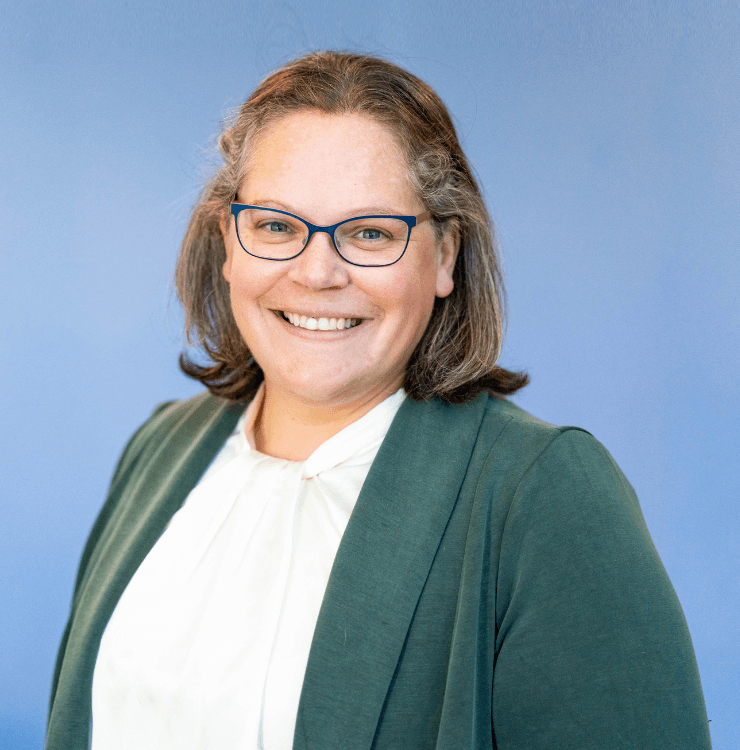
Rachael Orose headshot with a blue background

15 Questions with Rachael Orose, UWSD’s New President & CEO

Rachael Orose headshot with a blue background

Get to know Rachael Orose, President & CEO of United Way of San Diego County (UWSD).

Rachael is an entrepreneurial social-sector leader with more than 25 years of nonprofit experience advancing education, literacy, and opportunity for children and families in low-income and historically disinvested communities. With a deep background in nonprofit leadership and a passion for building stronger communities, Rachael brings both heart and experience to her role.

Originally from Michigan, Rachael holds graduate and undergraduate degrees in public and nonprofit administration and has led impactful work at organizations including Words Alive, The Molina Foundation, the American Red Cross, and First Book. Rachael’s family made the decision to relocate to San Diego eight years ago, and most recently, she served as Executive Director of Words Alive, where she connected children, teens, and families to the power of reading across San Diego County.

We sat down with Rachael to discuss everything from leadership to her favorite hidden gems in San Diego.

The “Quick Fire” Round:

Before we dove into the big questions, we started with some fun, quick questions:

  • Coffee or tea? Coffee!
  • Early bird or night owl? Early bird. I’m up by 4:30 most mornings, curled up on the couch with a book, a cup of coffee, and my dog. 
  • Beach or mountains? Both! That’s why we live in San Diego.
  • Favorite comfort food? Anything on the menu at Petco Park!  
  • Physical book or e-reader? Physical book.
  • Favorite “hidden gem” spot in San Diego County? I have a few. How about a perfect day? Early morning dragonboating at Fiesta Island, brunch at Brothers Family Restaurant in Allied Gardens (they have the world’s best pancakes), and then a family-friendly hike at Annie’s Canyon or Mission Trails. 
  • Favorite book from childhood? Oh gosh, that’d be like asking me to choose my favorite child!

Questions on Leading with Purpose

What drew you to United Way of San Diego County (UWSD)? 

There are big, complex problems facing San Diego’s families – some we know about, but most we aren’t talking about. What I love about the United Way model is that we 1) identify the problem, and 2) focus on a myriad of solutions. Families in our community may be wrestling with similar problems, but what each family needs to thrive is different. So, we are building resiliency, strength, and skills in the ecosystems that support our families, and within families themselves – so we have the right tools to navigate the unique challenges that each of us face. 

Before joining UWSD, you led the nonprofit Words Alive. How has that experience shaped your leadership? 

Words Alive has been connecting children, teens, and families in the San Diego community to the power of reading for 25+ years. The organization is rooted, at its very core, in community. It is volunteer-founded and volunteer-driven, by anywhere from 800-1,000 volunteers a year. I saw first-hand how the passion, and focus, of a dedicated group of individuals was actively changing the story on literacy in San Diego. 

My transition from Words Alive to UWSD wasn’t a departure from this mission; it was a decision to scale it. Illiteracy, a seemingly intractable problem – like many of them facing our community – is solvable, but we need to think differently about solutions. At United Way, I have a chance to help us increase access to the tools used to solve intractable problems – tools that empower communities most impacted by these challenges, tools that leverage the strength of our entire community.

How do you define your leadership style? 

Collaborative, mission-driven, and people-centered. I’ve found that the best outcomes are born from a culture of listening, continuous learning, and being open to input and perspectives different than my own. I find this approach allows me to reframe where we’ve been, and better articulate where we are going. 

I like to remind myself and our team that the work we do is joyful. In the nonprofit sector, we may be wrestling with really complicated, hard things, but we’re really here to create joy. I try to keep that centered in what we do and in our approaches. We can “doom and gloom” all day long, or we can center genuine joy, meaningful engagement, and the power of community. By actively making that choice, it really gives us an opportunity to improve the work that we do, the community we do it in, and the lives of the children, teens, and families we serve. 

What’s one lesson you’ve learned from nonprofit leadership?

There’s no easy path to the type of change we’re trying to create in our community – however, it is incumbent on us to resist the urge to slow down or analyze a problem ad nauseum. We need to simultaneously move quickly and think differently, because families are struggling today.

In my experience, that lesson necessarily leads to action.  And, not to put too fine a point on it: we need philanthropists to invest – generously – in the work nonprofits do. We need our investors to trust the teams who dedicate their careers to this work, and empower us to be agile enough to both respond to the struggles our clients face today and create the systemic change needed for our future. 

How do you define success for United Way of San Diego County?

Only by tackling change head-on has UWSD been able to find innovative solutions to new problems and stubborn old ones. We’ve been doing this in San Diego for over 105 years. Our success is measured in the alignment of our partners – businesses, government, nonprofits, philanthropists, schools – to invest in solving the most complex issues facing San Diegans.  

Let me clarify a few terms: when I say aligned, I mean working in engaged coalitions where we are transparently sharing best practices, capabilities, and knowledge across organizations and across sectors. When I say invest, I mean investing significant levels of financial and political capital, while empowering the best and brightest in our community to lead needed change. 

I firmly believe the solutions to the most complex problems facing San Diego County exist right here – we need to weave our understanding and our resources together, differently, to care for our neighbors.

Questions on Inspiration

You’ve shared that you are a two-time cancer survivor, most recently navigating treatment two years ago. How has that journey shaped the way you lead, and where do you draw your strength from today?

There are not enough terrible words in the English language to describe cancer and what it does to oneself or their family. It is a gut-wrenching, debilitating disease that requires you to fight for your life – against an enemy you cannot see and cannot control. 

An entire community of medical professionals in San Diego has saved my life, twice now. They bring to this fight powerful tools: medicine, science, and technology. As a cancer survivor, my most powerful tool is how I show up for the fight. I chose to meet cancer head-on with grit, determination, resilience, and a good dose of humor. Regardless of how bad and painful the treatment, my north star was always my family. My daughter and husband were (are) the fiercest supporters I had – I showed up every day for them with joy and hope in my heart, regardless of just how hard things were.

I am deeply grateful to be able to say: I never fought alone. No one should have to face their hardest moments alone. Let me say that again: no one should have to face their hardest moments alone. That’s the sense of urgency and focus I bring to my work – and my life – today. Too many families in San Diego are fighting to make ends meet, and I want them to know that they are not fighting alone. At UWSD, my priority is to fight for our families, rallying resources from every corner until our families have everything they need to thrive. San Diego is a community of neighbors helping neighbors and we are stronger together.

What’s the best piece of leadership advice you’ve received and still use today?”

This one is easy: be prepared for serendipity.  I’d encourage you to wrestle, for a moment, with what it might mean for you to always be ready for something good to happen. It’s a wonderful way to live!

A Closing Message for San Diegans

If you could send a message to every San Diegan who wants to help make a difference but doesn’t know where to start, what would it be? 

Start where you are, stay curious, and don’t underestimate the power of small, consistent actions.  Remember that we are a community of neighbors, who care for one another. It’s easy to start: introduce yourself to that neighbor you’ve lived by for years but never actually met, put a book in a little free library, buy a cup of coffee for the person behind you in line, share a meal. We are stronger when our community comes together, shows up for one another, and supports one another. 

I’m grateful to be part of this community and excited for what’s ahead!

Join Us in Welcoming Rachael!

We are inspired by Rachael’s vision and leadership as she advances United Way of San Diego County’s work in education and economic mobility and helps build lifelong learning habits across our region.

  • Follow us on social media to see Rachael in action throughout the community.
  • Sign up for our newsletter below to stay updated on our latest initiatives.
  • Make a gift today to support the work Rachael and our team are doing every day.
Middle-aged woman smiling with the ocean in the background

Leaving a Legacy in San Diego County: A Guide to Planned Giving

What kind of legacy do you want to leave in your community?

For many people, that means creating opportunities for future generations. Planned giving is one powerful way to do that. By making a future charitable gift, you can help ensure that nonprofits doing important work in San Diego County continue to thrive for decades, while also making thoughtful financial and estate plans for your family.

At United Way of San Diego County (UWSD), planned giving enables supporters to invest in the long-term well-being of our community through our programs and partnerships that support education, financial stability, and economic mobility.

Whether you’re just starting to think about your legacy or updating your estate plan, planned giving offers flexible ways to make a meaningful impact. Learn more about what planned giving is, why it matters, and how you can take the first step.

What Is Planned Giving (Legacy Giving)?

Cheerful african american senior man carrying grandson on shoulder at beach during sunny dayPlanned giving (often referred to as legacy giving, estate gifts, or charitable bequests) is a commitment you make today to support a nonprofit in the future, often as part of your estate or financial plan. These gifts allow you to support causes you care about while maintaining control of your assets during your lifetime. Most planned gifts represent only a small portion of an estate, so supporters can care for loved ones while also supporting organizations that matter most to them.

Unlike an annual donation, a planned gift is typically arranged now and fulfilled later, most commonly through a will, trust, or beneficiary designation. Planned giving can start with something as simple as adding a charitable bequest or beneficiary designation to a retirement account, life insurance policy, or bank account. Over time, many people work with financial advisors, estate planners, or attorneys to incorporate charitable giving into their broader planning.

Most planned gifts are arranged using assets such as:

  • A will or living trust
  • Retirement accounts (IRAs, 401(k)s, 403(b)s)
  • Life insurance policies
  • Stocks, mutual funds, or other appreciated assets
  • Real estate or other property

Why People Choose Planned Giving

Many donors choose planned giving because it allows them to make a significant future impact while maintaining flexibility during their lifetime.

Common reasons people include charitable gifts in their estate plans include:

  • Supporting a cause that reflects their personal values
  • Creating a lasting impact in their community
  • Making a larger gift than may be possible during their working years
  • Using certain assets in a tax-efficient way
  • Leaving a meaningful legacy for their family and community
  • Many planned gifts are easily changeable or revocable, providing flexibility to adjust should needs change

People often begin exploring planned giving as they approach retirement, but many donors start thinking about their legacy as early as their 40s, as they begin formal estate planning.

Why Planned Giving Is Growing

For many people, an estate plan does more than ensure their loved ones are cared for after they pass; it can also reflect their personal values. By including planned gifts for the causes they care about, individuals can create a lasting legacy and make a meaningful impact for years to come.

Planned giving is becoming one of the most important sources of long-term funding for nonprofits. According to the Giving USA 2025 report, charitable bequests alone accounted for nearly $46 billion in donations nationwide each year, underscoring the importance of legacy gifts in sustaining nonprofit work across the country.

Research shows that:

  • The most common planned gift is a charitable bequest included in a will or trust.
  • About 45% of bequests are created by individuals younger than 55, and 15% of all planned gifts are by those younger than 45. (source: plannedgiving.com)
  • Planned gifts account for over 30% of all charitable giving in the United States. (source: philanthropy.org)

Despite their impact, fewer than 10% of Americans have included a charitable gift in their estate plans, creating an enormous opportunity for those who want to make a lasting difference in their communities. 

Why Planned Gifts Are Often Larger

Did you know the average bequest is typically 40 times larger than a typical annual gift (source)? Planned gifts are often larger than traditional annual donations because they can come from assets that may not be used during a donor’s lifetime, such as retirement accounts, life insurance policies, or appreciated investments. This allows donors to make a more significant charitable impact than they might feel comfortable giving during their working years.

You Don’t Need a Fortune to Leave a Legacy

Many people assume planned giving is only for the wealthy, but that’s not the case. A simple designation in your will, retirement account, or insurance policy can create a meaningful legacy that helps families across San Diego County for generations. In fact, many planned gifts come from these types of assets, which may go unused during someone’s lifetime. Even a small percentage of an estate can make a lasting difference for the community.

How to Start Planned Giving

If you’re considering including charitable giving in your estate plans, getting started is often simpler than people expect. Many donors begin with three basic decisions:

  1. Choose what you want to support: a specific nonprofit, scholarship program, or community cause.
  2. Choose the type of asset to give: such as retirement accounts, stocks, real estate, or life insurance.
  3. Decide when the gift will take effect: during your lifetime, through your estate, or as part of a long-term charitable plan.

Many people begin by adding a simple charitable bequest or beneficiary designation and then refine their legacy plan over time with the help of financial or estate planning advisors.

Why Planned Giving Matters in San Diego County

San Diego County is home to thousands of nonprofits working to support education, economic opportunity, housing stability, and community well-being. Legacy gifts play an important role in helping sustain these organizations and their programs for decades to come.

At the same time, the United States is experiencing one of the largest intergenerational wealth transfers in history, with trillions of dollars expected to pass from one generation to the next over the next 25 years (source). As families plan their estates, many are considering how they can support both their loved ones and the causes that matter most to them.

For San Diegans who care deeply about strengthening their communities, planned giving offers an opportunity to make a lasting impact that extends far beyond a lifetime.

Legacy Giving with United Way of San Diego County

For United Way of San Diego County, planned gifts help sustain our long-term mission to ensure that every child, individual, and family has access to the resources they need to succeed. Planned gifts help support our initiatives, such as:

Early Childhood Literacy

Programs that help young children build strong reading skills and start school ready to learn.

Career Pathways for Youth

Expanding opportunities for teens through career readiness programs in science, technology, engineering, arts, and mathematics (STEAM) that connect students to future high-paying career pathways.

Financial Security and Economic Mobility

Helping individuals and families achieve greater financial stability through:

  • Free financial coaching to help people meet basic needs, increase income, build credit, reduce debt, and grow savings
  • Access to safe and affordable banking and financial services for low- and middle-income families
  • Free tax preparation and Earned Income Tax Credit (EITC) support through the San Diego County EITC Coalition, United Way of San Diego County helps low- to moderate-income individuals and families file their taxes for free and claim valuable state and federal tax credits that can significantly reduce financial strain. 

Planned gifts can also help create long-term or endowment support for programs that address the region’s most pressing challenges.

If you choose to include United Way of San Diego County in your estate plans, you’ll join our Legacy Circle, a community of

photo of a senior couple high-fiving with text overlay that says "7 ways to create lasting impact in San Diego County with Planned Giving" and the United Way of San Diego County logo

 supporters committed to strengthening San Diego for generations to come.

7 Ways to Support United Way of San Diego County Through Legacy Giving

There are several ways to structure a legacy gift to UWSD. Here are seven common planned giving options that allow you to create a lasting impact right here in our community.

1. A Gift in Your Will (Bequest)

One of the most common and flexible forms of planned giving is a charitable bequest.

By including United Way of San Diego County in your will or living trust, you can designate a specific dollar amount, a percentage of your estate, or the remainder after other gifts are distributed.

Benefits of a bequest:

  • Flexible and easy to arrange
  • Can be updated at any time
  • Allows you to prioritize family while still supporting your community

If you don’t have a will or living trust, you can start your will for free today with our partner, FreeWill. Or you can update your existing will or trust to include United Way of San Diego County, then let us know of your addition so we can welcome you to our Legacy Circle.

2. Name UWSD as a Beneficiary

Another simple option is to designate United Way of San Diego County as a beneficiary of an existing financial account.

You can name United Way of San Diego County as a beneficiary of:

  • Retirement accounts (IRA, 401(k), 403(b))
  • Life insurance policies
  • Donor-advised funds
  • Brokerage accounts

Benefits:

  • Simple paperwork
  • No need to update your will
  • Easily adjustable if your plans change

3. Gifts of Stock or Appreciated Assets

Donating stocks, mutual funds, or other appreciated assets can be a highly efficient way to support charitable work.

In many cases, donors may receive tax advantages while avoiding capital gains taxes, allowing more of the asset’s value to go directly toward community impact.

Benefits:

  • Potential tax advantages
  • Maximizes your charitable gift
  • Supports community programs and services

4. Gifts of Real Estate

Property can also become a powerful tool for philanthropy. You may choose to donate homes, land, or other real estate either during your lifetime or through your estate plan to support the mission of United Way of San Diego County.

Benefits:

  • Turn property into lasting community impact
  • Flexible timing options
  • Supports programs for generations to come

5. IRA or Retirement Plan Gifts

Retirement accounts are often one of the most tax-efficient assets to leave to charity. Because retirement funds can be heavily taxed when passed to heirs, many donors choose to designate organizations like United Way of San Diego County as beneficiaries.

Benefits:

  • Simple beneficiary designation
  • Potential tax advantages
  • Creates a high-impact legacy gift

6. Charitable Remainder Trusts

A charitable remainder trust (CRT) allows you to place assets into a trust that provides income to you or your loved ones for a set period of time. 

After the trust term ends, the remaining assets support the work of United Way of San Diego County.

Benefits:

  • Provides income for you or your family
  • Supports long-term community programs
  • Can be part of a broader estate planning strategy

7. Charitable Gift Annuities

A charitable gift annuity (CGA) allows you to donate cash or assets to United Way of San Diego County while receiving fixed payments for life. When the annuity ends, the remaining value becomes a legacy gift that supports community programs.

Benefits:

  • Guaranteed fixed income payments
  • Potential tax benefits
  • Long-term support for community initiatives

Plan Your Legacy with UWSD Today

By including United Way of San Diego County in your estate plan, you’re helping drive our mission to ensure that every child, individual, and family in our community has the opportunity to succeed. If you’re interested in learning more about planned giving, legacy giving, estate planning for charitable impact, or tax-smart charitable gifts, United Way of San Diego County is here to help.

If you choose to include United Way of San Diego County in your estate plans, you’ll join our Legacy Circle, a community of supporters committed to strengthening San Diego for generations to come.

Explore the full range of options and resources in the Planned Giving Hub: uwsd.org/planned-giving

Together, we can build a stronger San Diego County, today and for generations to come.

For more information, contact Vivian Grifantini at Vivian.grifantini@uwsd.org. 

Family with father, mother and two young kids holding an EITC Coalition sign that says "What does this refund mean to you?" and they wrote "DEBT RELIEF"

How San Diegans Can Get Their Share of Millions in Unclaimed Tax Credits

Family with father, mother and two young kids holding an EITC Coalition sign that says "What does this refund mean to you?" and they wrote "DEBT RELIEF"

For many San Diegans, “Tax Season” brings a sense of dread. But what if this year was different? Imagine filing your taxes for free and claiming up to thousands of dollars in tax credits designed to put money back in your pocket and help your family thrive.

As the cost of living in San Diego County continues to climb, every dollar counts. Yet every year, millions of dollars in life-changing benefits, like the Earned Income Tax Credit (EITC), go unclaimed.

At United Way of San Diego County, we believe that money belongs to you. Through our San Diego County EITC Coalition, we help low- to- moderate-income individuals and families receive free tax preparation services that help them unlock valuable tax credits.

What is the EITC (and why should you care)?

Woman smiling holding an EITC Coalition sign that says "What does this refund mean to you?" and she wrote "PEACE OF MIND"

The Earned Income Tax Credit (EITC) is a federal tax credit designed to support working individuals and families with low-to-moderate incomes. In California, we also have the CalEITC state credit, which can provide even more cash back. These tax credits and others can help working families get a larger tax refund or reduce the amount they owe.

These aren’t just “breaks” on your tax bill; they are refundable credits. This means even if you don’t owe any taxes, you could still receive a check for up to thousands of dollars. For a family with three or more children, the combined federal and state credits can result in a significant refund that can be used for rent, car repairs, groceries, or saving for the future.

The $350 Advantage: Free Tax Prep You Can Trust

Did you know the average commercial tax preparation fee is roughly $350? For many families in San Diego, that is a full week of groceries or a critical utility bill.

United Way of San Diego County’s EITC Coalition, in partnership with 49 collaborative community partners, offers free tax preparation through the Volunteer Income Tax Assistance (VITA) program. Last year, the EITC Coalition saved San Diegans an estimated $8.6 million in tax prep fees.

But “free” doesn’t mean you’re sacrificing quality. Our IRS-certified VITA volunteers are specifically trained to identify credits that are frequently missed by professional tax preparers, commercial software, or DIY tools. They ensure you receive your maximum refund without paying a dime in fees.

In fact, last year alone, our EITC Coalition helped return over $34.3 million to San Diego County residents.

If your household earned $70,000 or less last year, you likely qualify for these free tax preparation services in San Diego County.

Inclusion for all San Diegans. Nosotros hablamos español!

Senior man and woman smiling holding an EITC Coalition sign that says "What does this refund mean to you?" and they wrote an answer in Spanish.

Our EITC Coalition is proud to serve our diverse community, offering services in Spanish and other languages. We also prepare taxes for Individual Taxpayer Identification Number (ITIN) filers, some of whom may be eligible for the CalEITC and the Young Child Tax Credit. We are dedicated to helping people in our entire San Diego County access the credits they’ve earned through their hard work.

How to Get Your Free Tax Prep & Possible EITC Credit

Ready to get started? We’ve made the process simple and accessible across San Diego County:

  1. Check Your Eligibility: Visit MyFreeTaxes.org (FAQs) or call 2-1-1 to see if you qualify for free filing.
  2. Find a Location: Call 2-1-1 or visit MyFreeTaxes.org to find a VITA site near you and book your appointment. We’ve got locations from Chula Vista to Vista and everywhere in between.
  3. Gather Your Documents: You’ll need a photo ID, Social Security or ITIN cards for everyone on the return, and all income statements (W-2s, 1099s). Check out this Tax Preparation Checklist for more details.
  4. File with Confidence: Sit down with a certified tax prep volunteer who will walk you through the process and file your return electronically for a faster refund.

Let’s Boost San Diego County Together

Smiling VITA volunteer next to a "Free Tax Prep San Diego" sign sitting at a desk ready to help a client.

Last year, our EITC Coalition helped return over $34.3 million to San Diego County residents. That’s money that stays in our local economy, supports our small businesses, and stabilizes our neighborhoods.

Don’t leave your money on the table this year. Let United Way of San Diego County and our EITC Coalition help you get the refund you deserve. To find out if you qualify, call 2-1-1 to get started.

group of high school students from UW San Diego County STEAM to Careers program wearing orange vests on a field trip

How We’re Equipping Teens for High-Growth Careers with Our STEAM Programs

group of high school students from UW San Diego County STEAM to Careers program wearing orange vests on a field trip

Did you know that high school students in San Diego County can explore careers in science, technology, engineering, arts, and math (STEAM) before they even graduate? United Way of San Diego County is making this possible through our STEAM-to-Careers after-school program and Dream with STEAM summer program, empowering teens with hands-on experience, mentorship, and career readiness skills.

Since launching these programs, United Way of San Diego County has:

  • Engaged 673 students in the STEAM-to-Careers after-school program
  • Supported 156 students in the Dream with STEAM summer program
  • Provided over $171,500 in educational awards to remove financial barriers

Teens who participate report feeling more confident, accomplished, and ready for life after graduation. Watch this short video to hear directly from the students themselves. 

Preparing Teens for the Jobs of Tomorrow

In today’s rapidly changing economy, STEAM fields are shaping the careers of the future. In fact: 

  • The science, technology, engineering, and mathematics (STEM) workforce accounted for 24% of U.S. workers in 2021 (source). 
  • According to the Bureau of Labor Statistics, employment in STEM occupations is projected to grow at twice the rate (10.8%) of overall employment (5.3%) through 2031.
  • Research shows that a lack of awareness is the primary reason students don’t pursue STEM careers. In a recent survey, 42% of adults said they would have considered a STEM career if they had better understood the opportunities available.

STEAM occupations offer a realistic opportunity to earn a living wage in San Diego County, a region with one of the nation’s highest costs of living, according to a 2025 Times of San Diego article on affordability in the region. By introducing high school students to these industries early, we help them discover their passions, gain practical skills, and chart a path forward. Our programs don’t just teach concepts, they bring them to life through real-world projects, interactive workshops, and career guidance. 

Students see tangible results from their efforts. For example, those in the creative writing track become published authors in a collective book of poetry and short stories, while students in the healthcare track can earn certifications such as CPR. Across all tracks, teens also learn essential career skills, including resume writing, interview preparation, salary research, and building professional LinkedIn profiles.

Mentorship That Makes a DifferenceA nurse teaching teen students from STEAM-to-Careers program how to put straps on a fake arm.

One of the most impactful elements of our programs is mentorship. Students are introduced to professionals who provide guidance, answer questions, and show them what it takes to thrive in STEAM careers. 

Children and young adults cannot be what they cannot see. Our STEAM programs invite community professionals to play a vital role in ensuring kids gain exposure to these fields and help them imagine their own futures in these careers. These relationships provide students with relatable role models who inspire them to aim high.

STEAM-to-Careers: Hands-On Learning After School

two teens holding up a science project during the STEAM-to-Careers after school program in San DiegoThe STEAM-to-Careers program focuses on high school students from historically underserved communities like Escondido and Lincoln Heights. Through after-school sessions (and in some cases, Saturday sessions), students dive into interactive science and engineering projects, healthcare training, creative writing, and career readiness workshops.

They also benefit from special guest speakers and hands-on resume-building, giving them the tools and confidence to pursue future careers they may not have known existed before participating in the STEAM-to-Careers program.

Dream with STEAM: Expanding Opportunities in the Summer

two teen girls from Dream with STEAM summer program standing in front of a jet engine during a field trip to Alaska AirlinesOur Dream with STEAM summer program takes learning beyond the classroom. Students visit a number of local companies and organizations to explore different industries and meet professionals in STEAM fields. Some of the places students have visited in recent years include:

  • UC San Diego Health
  • Eli Lilly
  • KPBSTeen students from Dream with STEAM program on a field trip at Taylor Guitars in San Diego
  • Dr. Bronner’s
  • Taylor Guitars
  • San Diego Safari Park 
  • Solar Turbines 
  • PCL Construction 
  • SDGE 
  • Solar Turbines 
  • SeaWorld teens from Dream with STEAM program in a green screen room during a field trip to KPBS in San Diego
  • Booz Allen 
  • Cubic
  • Maverick Manufacturing 
  • Alaska Airlines
  • Illumina

By visiting these sites, hearing from professionals about their personal career journeys, and seeing what’s possible, students gain inspiration and clarity about their own career paths.

Here’s what our students have said about their field trips:

“Dr. Bronner’s was really cool and made me think more about biochemistry outside of a purely medical or lab context.”

“The most memorable moment was the Alaska Airlines field trip, and being able to actually interact with what we were doing made it just memorable!”

“UWSD’s STEAM-to-Careers program at Escondido High School allowed me to discover my passion for space. An SDG&E field trip led me to DREAM with STEAM, MIT programs, and a NASA internship where I designed a lunar base and learned to code. Now, I’m pursuing aerospace for my career.” – Angela Tran, Escondido High School Student & STEAM-to-Careers Program Ambassador

Removing Financial Barriers

Students from low-income backgrounds often face financial barriers that limit access to extracurricular programs or unpaid internships. Many need paid after-school or summer jobs to help their families cover basic expenses like rent and groceries, leaving little room for unpaid career-building opportunities.

Through our STEAM-to-Careers and Dream with STEAM programs, students receive an educational award that helps remove these barriers, ensuring talented students from all economic backgrounds can access meaningful work experiences, professional networks, and pathways to career advancement. 

Since launching these programs, United Way of San Diego County has provided over $171,500 in educational awards to remove financial barriers.

Join Us in Preparing the Next Generation

Teens looking through microscopes during a Steam to Careers field trip with United Way of San Diego CountyWith the support of donors and community partners, United Way of San Diego County is working to expand the program across more neighborhoods in the county, helping even more teens build confidence, connections, and skills for careers of the future.

If you’re an educator, donor, or company interested in supporting STEAM education and career development for teens, we invite you to learn how to get involved. Together, we can ensure students across San Diego County have the tools, mentorship, and opportunities they need to succeed in a rapidly evolving job market. Learn more about STEAM-to-Careers and Dream with STEAM at uwsd.org/steam-to-careers

Diverse young children running in grass laughing

The Real Impact of Donating to United Way of San Diego County

Diverse young children running in grass laughing

Did you know that last year, over 53,000 San Diegans received support through United Way of San Diego County (UWSD)? When you give to UWSD, your donation stays right here in our community. Together with local schools, nonprofits, businesses, policymakers, volunteers, and our dedicated San Diego-based staff, we harness the collective strength of our community to tackle disparities in education and economic mobility, addressing not just immediate needs, but the root causes of systemic challenges.

How Your Donation Creates Impact

We believe in long-term, sustainable change. We not only offer our own education and economic mobility programs, but we also partner with local nonprofits, businesses, and policymakers to amplify resources and design strategies that ensure everyone in San Diego County can achieve educational success and financial stability.

Here’s how your support powers our programs:

Education Programs: Building Brighter Futures

Education empowers young people with the knowledge and skills they need to navigate a rapidly changing world and career landscape. For this reason, UWSD is dedicated to closing educational achievement gaps through early childhood literacy and career readiness programs, creating brighter futures for our San Diego County youth.  

United for Literacy

Two young school children looking at a table with free books provided by United Way of San Diego County71% of California’s 4th graders aren’t proficient in reading, according to the 2025 KIDS COUNT Data Book by the Annie E. Casey Foundation. This alarming statistic threatens kids’ academic success and life prospects, with minority and low-income children being hit the hardest. This is important because literacy levels are closely linked to high school graduation rates and economic success. 

Through our United for Literacy program, UWSD is working towards closing these literacy gaps by ensuring children in our county have the support, resources, and opportunities needed to read proficiently and thrive in school and in life. We provide children ages 3–8 with books, writing tools, multi-lingual support, and literacy-rich experiences at home, school, and in the community.

Building stronger readers requires collaboration among families, schools, communities, businesses, nonprofits, and elected officials. By working together and leveraging proven strategies, we can ensure every child in San Diego County has the tools and opportunities to reach their full potential, creating lasting, positive change across the region.

STEAM-to-Careers & Dream with STEAM

Three diverse teens standing in front of a science project at United Way of San Diego County's STEAM to Careers after-school programYour donation to United Way of San Diego also helps prepare the next generation for success through UWSD’s STEAM-to-Careers program. Through this program, high school students in historically disinvested communities, such as Escondido and Lincoln Heights, explore careers in science, technology, engineering, arts, and math (STEAM). Children and young adults cannot be what they cannot see, and it is our job, as a collective community, to provide the mirror for our local students.

This after-school program provides students with real-world experience through hands-on projects, mentorship, and career-readiness training. They develop essential skills like interviewing, resume-building, and creating LinkedIn profiles. Students are offered tracks such as healthcare, creative writing, engineering, and more to learn more in depth about their area of interest and what careers may be available to them. Students in the creative writing track become published authors in a shared book, while those in the healthcare track can earn CPR certification.

With the support of our donors and partners, our vision is to scale STEAM-to-Careers across opportunity zones in San Diego County, equipping even more students with the knowledge, connections, and confidence they need to enter the workforce prepared. 

Four latino teens wearing protective eyewear and white coats during a science field trip with United Way of San Diego County's Dream with STEAM program

Dream with STEAM

Our Dream with STEAM summer program takes learning further, offering students the chance to explore diverse industries across the region. Students at partner schools engage in hands-on skill-building activities and connect with experts from local STEAM-based organizations through site visits at businesses such as Eli Lilly, KPBS, Dr.Bronner’s, Taylor Guitars, San Diego Safari Park, Solar Turbines, PCL Construction, and UCSD. This program responds to the growing need for talent in the region and expands access to STEAM jobs for students who may not have exposure to these industries. The program also introduces students to a range of professionals, some of whom share their backgrounds, demonstrating that a pathway to these careers is within their reach. 

Since its inception, UWSD has also awarded over $171,500 in educational awards, removing financial barriers and helping students learn, grow, and dream big. Additionally, it has had 673 participants in the STEAM-to-Careers afterschool program and 156 participants in the Dream with STEAM summer program. 

Students who participate in the program feel accomplished and more prepared for their path after graduation. 

With your donation, you’re helping UWSD empower the next generation of innovators, problem-solvers, and leaders.

Economic Mobility Programs: Building Financial Stability

Latino family with young child smiling while receiving free tax help through United Way of San Diego Count's EITC CoalitionFinancial security is the foundation for building a prosperous future, and United Way of San Diego County is helping families and individuals achieve it.

Through our comprehensive economic mobility programs, we provide residents in under-resourced communities with the financial tools, education, and guidance they need to lay the groundwork for long-term success. From free tax preparation and personalized financial coaching to safe banking services, UWSD creates real, tangible pathways to financial stability.

Earned Income Tax Credit Coalition (EITC)

$34 million. That’s how much San Diegans received in tax refunds thanks to free tax help from United Way of San Diego County and our Earned Income Tax Credit (EITC) Coalition partners in the 2025 tax season.

For more than 24 years, the UWSD-led San Diego EITC Coalition (made up of over 45 community organizations) has provided free tax preparation services, helping millions of local residents claim the credits they’re eligible for and maximize their refunds.

Through the VITA (Volunteer Income Tax Assistance) program, UWSD and our partners mobilize volunteers to make this possible. VITA volunteers receive free IRS training, volunteer hours, networking opportunities, and the chance to make a tangible difference in our community. 

In 2025 alone, VITA volunteers prepared 47,581 tax returns, putting $34+ million back into the pockets of San Diego residents and boosting the local economy.

They also saved $8,653,050 million+ in tax preparation fees, an average of $350 per individual or family filing.

Helping families and individuals get money back allows them to cover essentials like groceries, rent or mortgage payments, utilities, transportation, and more. Our EITC Coalition and VITA volunteer program prove the power of community-driven support in helping San Diegans thrive.

SparkPoint 

Latina mother and her daughter sitting at a table with a sign that says "Money Management Workshop hosted by United Way of San Diego County, SparkPoint, and sponsored by US Bank"SparkPoint empowers clients to build economic mobility through a trauma-informed, equity-centered, and family-focused approach. Coaches work 1:1 with clients to identify goals, develop tailored strategies, and foster long-term financial resilience, helping individuals and families achieve their financial milestones. SparkPoint also hosts Money Management Workshops across San Diego County, offering expert-led financial education on topics such as budgeting, credit, and debt management while connecting participants to valuable community resources.

SparkPoint’s financial coaching provides budgeting help, goal-setting, and connections to career and housing resources to help people reach goals such as creating and sticking to a budget, purchasing a car, saving for the first month’s rent and security deposit, paying down credit card debt, and advancing their careers. The program is founded on the notion that individuals are the experts of their own lives and what kind of support they need to succeed. Coaches meet people wherever they are on their financial journey and help them map out real steps forward.

Since its launch, the SparkPoint program has provided one-on-one financial coaching to 67 clients and hosted workshops that have reached 175 individuals. Impressively, 76% of clients have achieved at least a 30% improvement in key financial areas, including income, savings, credit score, or debt. By providing financial education, we help ensure the next generation has the knowledge and tools to achieve financial stability and break cycles of generational insecurity.

San Diego Bank On Coalition

Did you know the lifetime cost of living without a bank account can reach $40,000? Many San Diegans without traditional bank accounts turn to payday lenders and check-cashing services, often paying high fees and interest that make financial challenges even harder. 

United Way of San Diego County is tackling this issue through the San Diego Bank On Coalition, connecting communities to low-cost banking, practical financial education, and outreach programs that help people take control of their money and build a more secure financial future.

Flexible, Rapid Response in Times of Need

United Way of San Diego County can quickly shift resources to meet emerging community needs, providing support where it’s needed most. Unlike many small charities, we have the partnerships and capacity to support our community through unexpected events, such as disasters or economic challenges. 

For example, during the January 2024 floods in San Diego County, UWSD activated emergency funds to support over 100 children and families. Through a 10-week hands-on science and literacy program in partnership with UCSD CREATE and Words Alive, and a flood-relief pop-up event providing books and school supplies, 63 students in kindergarten through fifth grade received critical educational support during a time of crisis.

We’re a Hub for Community Impact

United Way of San Diego County and partners posing with young children who are all holding teddy bears they received.United Way of San Diego County serves as a central partner for a wide range of community organizations, including nonprofits, schools, and government agencies, helping them coordinate efforts, reduce duplication, and launch initiatives in underserved areas. By pooling donations, grants, and partnerships, UWSD ensures your support reaches more people in our community than most single charities can on their own. 

We back multiple programs spanning education, financial stability, and literacy, allocating resources where they’re needed most. By supporting many nonprofits and initiatives at once, UWSD can provide shared resources, streamline services, maximize efficiency, and track impact– capabilities that smaller organizations often struggle to achieve on their own.

Creating Philanthropic Pathways for Local Businesses

United Way of San Diego County empowers local businesses to make a real impact through our Corporate Social Responsibility (CSR) programs. We offer flexible giving opportunities tailored to each team to provide year-round engagement.

Woman and a little girl cheek-to-cheek smiling at the camera

Your Donation in Action

Every dollar you give stays in San Diego County, strengthens our network of community organizations, and empowers kids, families, and neighbors to thrive. From building literacy and career skills to creating financial security, your gift fuels change that lasts for generations.

Join us. Together, we can build a stronger, more equitable San Diego County. 

DONATE TODAY

Latina mother and young daughter smiling and hugging by the ocean in San Diego.

What It Really Costs to Get By in San Diego County (The Real Cost Measure Study Explained)

Latina mother and young daughter hugging and smiling by the ocean in San Diego.When we talk about “low income” in San Diego County, most people think of the Federal Poverty Level. But as new data reveals in the 2025 Real Cost Measure report from United Ways of California, the federal poverty level is missing the bigger picture.

The Federal Poverty Level (FPL) for a family of four is $32,150. This measure is based on a calculation established in the 1960s that simply multiplies the cost of a minimum food diet by three to account for other family expenses. Because it only accounts for food costs and doesn’t consider modern expenses like housing, childcare, transportation, or healthcare, the FPL is a severely outdated and ineffective metric for evaluating true economic status or determining adequate support from the federal government.

But the 2025 Real Cost Measure report shows a family of four in San Diego County with two adults, one child in elementary school, and one in preschool actually needs more than $116,000 annually just to meet basic needs. That’s the equivalent of three full-time minimum-wage jobs.

For many local families, the official federal poverty threshold doesn’t come close to capturing the real cost of living here. Rent, groceries, child care, health care, and transportation costs have all risen dramatically, and yet the metrics for measuring financial need have barely changed in decades. That’s why the findings from this Real Cost Measure are so critical.

The Real Cost Measure also finds that:

  • Almost HALF of San Diego County families with children under age six are not making enough to cover their expenses.
  • On average, 97% of households below the Real Cost Measure in San Diego have at least one working adult.
  • 42% of local households spend more than 30% of their income on housing.
  • And when you have two kids, child care at $19,000 a year is a family’s second highest expense.
  • Approximately 70% of single-mother households in San Diego County are not meeting the basic costs of living.

What Is the Real Cost Measure Report?

This year, United Ways of California, in partnership with local United Ways across the state, released The Real Cost Measure in California 2025. For over ten years, this annual report has provided an in-depth look at how rising costs continue to shape economic opportunity and what we can do to create a future where every Californian can achieve financial security.

The Real Cost Measure is designed to show the true cost of living in our state. It shines a bright light on what it actually takes for households just to get by and to cover basic needs. While the federal poverty level might label around 10% of Californians as “poor,” the Real Cost Measure reveals a much starker truth:

More than 1 in 3 California households (nearly 3.7 million families) don’t earn enough to make ends meet.

This means that even with full-time jobs, many families still struggle to afford essentials like housing, food, and transportation.

The Real Cost Measure goes beyond income alone. It looks at:

  • Household makeup (number of adults and children)
  • Conjugal status (single parents)
  • Education level of the head of household
  • Gender and ethnicity
  • Regional cost differences (because living in San Diego County is very different from living in Fresno or Redding)

The 2025 study examines how systemic and historical inequities contribute to this ongoing struggle, particularly for communities of color, women-headed households, and workers in low-wage industries.
The Real Cost Measure study gives policymakers, nonprofits, and community leaders actionable insights into who is struggling and why.

The data underscores an urgent need for expanded income support, affordable housing, and workforce development initiatives to help families move from surviving to thriving.

Turning The Data Into Action in San Diego County

People watching Nancy L. Sasaki present at the Real Cost Measure Event hosted by United Way San Diego in 2025. The slide on the screen says "An estimated 49% of households with children between the ages of 0-5 fall below the Real Cost Measure in San Diego County. 66,515 estimated households!'United Way of San Diego County (UWSD) hosted the 2025 Real Cost Measure Event on October 7, 2025, gathering local partners, policymakers, and community leaders around one shared goal: building a stronger, more equitable San Diego.

Attendees heard firsthand from an inspiring panel of local experts and changemakers:

  • Senator Steve Padilla, California State Senate
  • Stephen Russell, President & CEO, San Diego Housing Federation
  • Alondra Alvarado, President & CEO, San Diego Hunger Coalition
  • Pamela Gray Payton, VP & Chief Impact & Partnerships Officer, San Diego Foundation

Together, we explored how economic pressures are affecting San Diego families and what actions can help close the gap between getting by and getting ahead.

United Way of San Diego County’s Programs for Financial Stability

Latino family with father, mother, and two kids smiling while holding up an EITC sign that says "what does this refund mean to you?" and they wrote "Debt Relief"

United Way of San Diego County partners with organizations across the region to ensure that all children, individuals, and families have the support they need to achieve educational success and financial security.
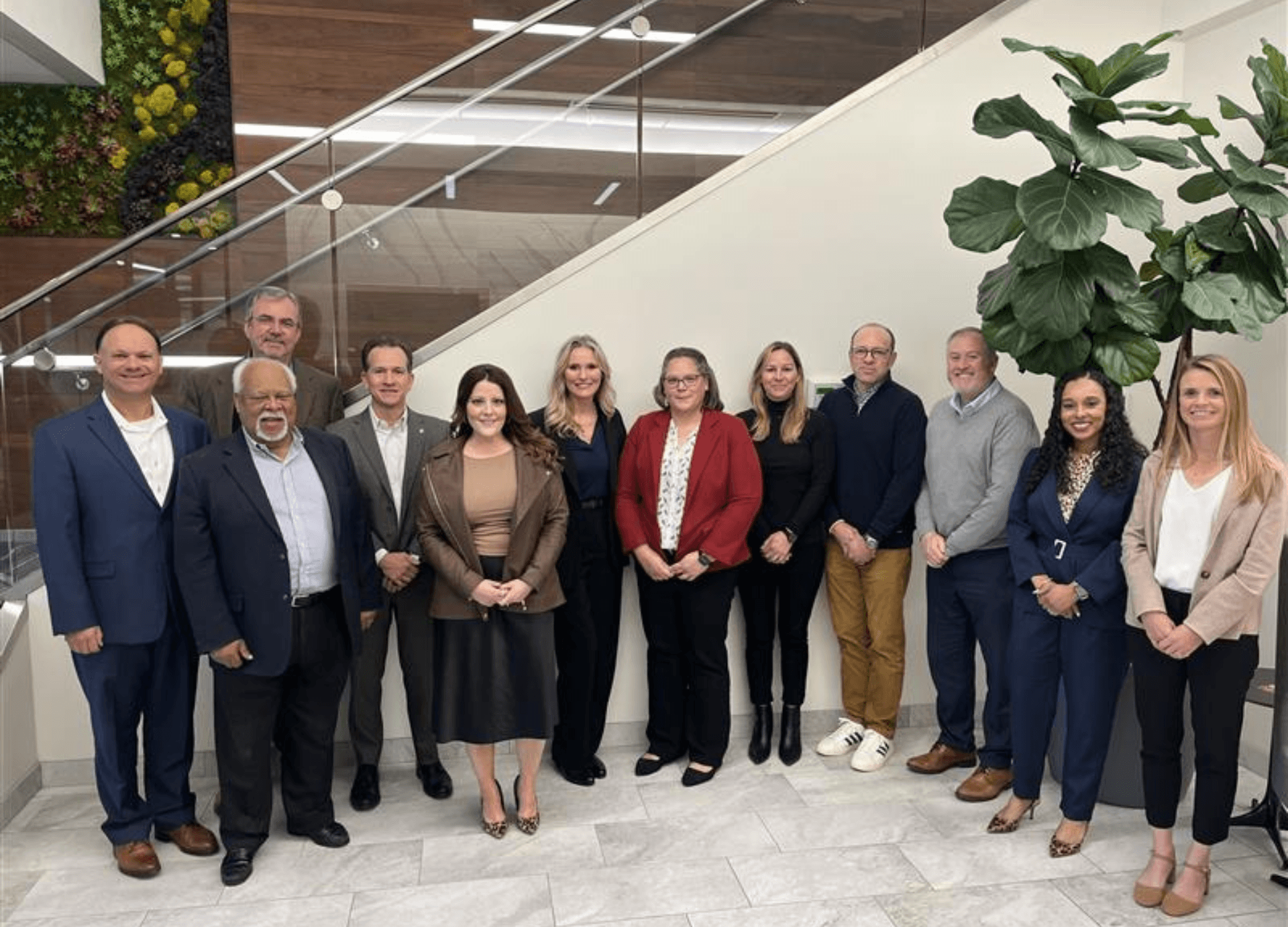
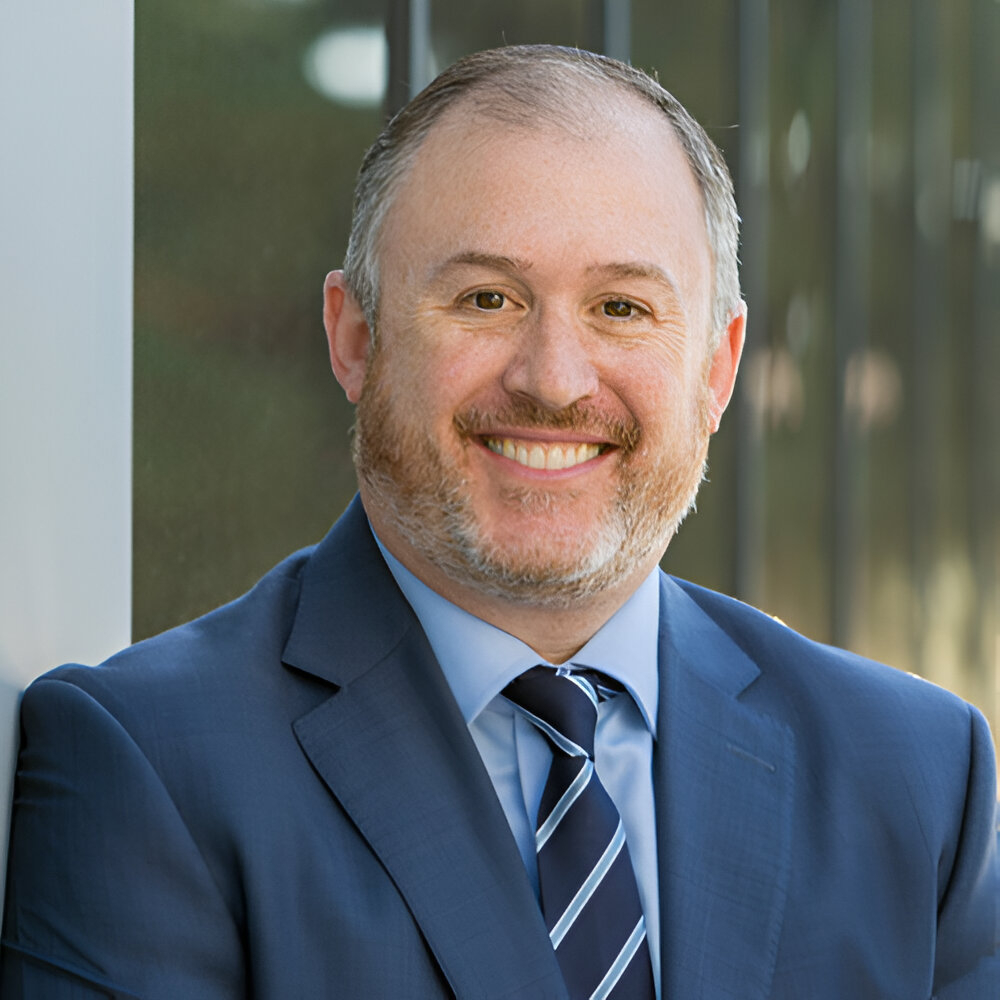
Through education-focused initiatives like United for Literacy, which supports early childhood reading, and STEAM-to-Careers, an after-school program introducing students to in-demand fields in science, technology, engineering, arts, and mathematics, we help open doors to opportunity.

We also lead programs that strengthen financial well-being, including SparkPoint, a financial coaching program; the San Diego Bank On Coalition, which expands access to safe and affordable financial services for unbanked and underbanked residents; and the San Diego County Earned Income Tax Credit (EITC) Coalition, which helps low- to moderate-income individuals and families file their taxes for free.

Beyond our own programs, we collaborate with local nonprofits, businesses, and policymakers to drive lasting community impact.

Why It Matters for San Diego

San Diego is the second most expensive place to live in the United States, according to a 2025 Redfin analysis of housing affordability among the 50 largest U.S. metropolitan areas. Housing costs alone can consume much of a household’s income, even for those earning well above the federal poverty line.

The Real Cost Measure offers a local roadmap for action. By revealing the true cost of living in our community, it helps leaders and policymakers design solutions that reflect what families actually need to make ends meet and build lasting stability.

At United Way of San Diego County, we’re using these findings to create and support programs that help bridge the gap for struggling individuals and families. By shining a light on the growing issue of unaffordability, we’re encouraging local policymakers, organizations, and businesses to take meaningful action.

When we redefine what “low income” really means, we also redefine what’s possible for San Diego County’s future.

Join the Movement

Everyone has a role to play in shaping a more equitable and resilient San Diego County. Share the insights from the Real Cost Measure, start conversations in your community, and advocate for policies that give every person a fair shot at economic mobility.

You can take action by supporting local nonprofits that help families meet their basic needs, volunteering your time or expertise, and making your voice heard by contacting local policymakers about issues affecting affordability and access to opportunity.

Visit unitedwaysca.org/realcost to explore the data, follow @unitedwaysd to stay informed about local efforts, and share these insights with your own networks to help spread awareness and inspire action.

Together, we can turn awareness into action and ensure that every San Diegan has the opportunity to live with dignity, stability, and hope.

Beyond Back-To-School: Strategies to Help Families Build Literacy-Rich Environments All Year Round

As back-to-school season approaches, we are reminded of the immense importance of literacy and learning both inside and outside of the classroom. In San Diego County, over 50% of children are not meeting English Language Arts standards by fourth grade, causing long-term implications for their educational and future career prospects. This alarming trend, particularly among low-income children aged 3-8, demands urgent literacy intervention, with families playing a crucial role in ensuring all students receive the support they need.

For families, the return to school is a great time to introduce a new reading routine. It can instill an interest in reading from an early age and promote social and emotional learning.

Children with strong literacy skills experience compounding benefits such as:

  • increased vocabulary
  • improved reading comprehension
  • expanded creativity, imagination, and interests
  • improved confidence and mental health
  • enhanced critical thinking abilities

By incorporating reading time into a child’s daily routine, families can help reduce screen time and build on educational concepts introduced in the classroom. Here are six simple and effective ways you can encourage reading and support your child’s continued learning all year long.

Cultivate Reading Routines & Interests

Setting aside specific times – such as morning time, after school, or before bedtime – can make reading a consistent and enjoyable part of your child’s routine. Choosing books that match your child’s interests or align with what they’re studying in school can enhance their reading experience and make it more meaningful. For example, a child who enjoys action stories, animation, or comics might be captivated by a graphic novel. By using these strategies, you can help foster both their social and academic growth by linking learning at home with their favorite subjects in school.

Create a Literacy-Friendly Environment at Home

Creating a literacy-friendly environment at home is another powerful way to foster a love for reading. Caregivers can make reading enjoyable and appealing by setting up a cozy reading nook, building a reading fort, or designating a study area filled with a variety of reading materials, such as books, magazines, and educational games. This doesn’t need to be costly! Visiting Little Free Libraries, local used bookstores, or borrowing from public libraries can provide your child with a steady supply of new reading materials. Adding personal touches with your child’s favorite colors and themes makes the space even more inviting and motivational. A dedicated reading area not only encourages regular reading but also reinforces its importance as a cherished activity in your home.

Make Reading Interactive by Bringing Stories to Life

Additionally, encouraging your child to write their own stories or create book reviews to share
with family can make reading a more interactive and creative process. Pairing this with discussions about the books they’ve read helps improve comprehension and critical thinking skills. Talk about the story, characters, and plot themes with your child to deepen their engagement and understanding, transforming a solitary activity into a shared experience.

Participate in Community Events

Community involvement further enhances a child’s literacy journey. Participating in local literacy activities, such as author readings or library events, allows children to explore new books and connect with peers who share similar interests. Encouraging children to read in real-world contexts, like identifying words at the grocery store or on street signs, makes learning interactive and demonstrates the relevance of literacy in everyday life. These activities help make reading a social and dynamic part of a child’s experience, reinforcing the value of literacy beyond the classroom.

Establish Goals and Rewards

Another great way to keep your child motivated is by setting reading goals and offering rewards for achieving them. Establishing realistic targets, like finishing a certain number of books each month and celebrating each milestone, can make reading both enjoyable and rewarding. Rewards can be easy, free, and creative!

Some non-monetary rewards you can give to children are:

  • Extra playtime: Allowing additional time for their favorite activity or game.
  • Special privileges: Offering a chance to choose the family movie, pick dinner, or stay up a little later.
  • Certificates or badges: Creating personalized certificates or badges for achievements, like “Super Reader”.
  • Praise and recognition: Highlighting their accomplishment in front of family or peers.
  • One-on-one time: Spending extra quality time together, like going for a walk, playing a game, or having a special chat.
  • Leadership opportunities: Giving them the responsibility to lead an activity or help plan a family event.
  • Access to a favorite activity: Providing more time with a favorite toy, book, or hobby.

Ask your child to help come up with rewards that they may enjoy and customize them to fit your lifestyle and budget.

Become a Reading Role Model

Most importantly, families can inspire their children by modeling the behavior—grab a book yourself to show that reading is a fun and engaging activity. For those less comfortable with reading, engage with graphic-rich magazines and novels in your preferred language so your child sees you with reading materials. Creating a literacy-rich environment can come in many forms – so explore what works best for you and your family!

As your child heads back to school this fall, consider these strategies to strengthen literacy skills outside the classroom. By weaving new reading habits into your child’s routine, you can ignite a love for reading and witness their progress soar. These simple adjustments can significantly enhance their social, emotional, and cognitive development while also creating meaningful moments for your family to connect. Now is the perfect time to support your child’s continued learning and educational growth!

UWSD Affinity Groups: Networking with a Purpose

Written By: Kiva Barry, Marketing Manager, and Memo Ramirez, Marketing Coordinator

UWSD Affinity Groups: Networking with a Purpose

How are you connecting in and outside of your organization? What avenues are you using to build your professional development and make an impact on your community? UWSD is here to help you! United Way of San Diego County’s Emerging Leaders and Women United affinity groups are a great way to connect with like-minded peers across various industries while also providing a way to give back to those in our community who need support most. Typical networking groups often lack a philanthropic aspect, but UWSD’s affinity groups allow members to network with a purpose, in turn creating a long-lasting impact on both members and the broader community. We believe that we all rise when we lift others.

Networking can be a daunting task, but UWSD’s affinity groups offer a welcoming, enriching, and fun environment for all current and prospective members. Each event is an opportunity to make new connections, learn about other organizations, and become a champion for philanthropic causes that create a deeper impact across San Diego County.

Our Emerging Leaders network, which focuses on volunteerism and professional development, delivers on its mission to turn today’s members into tomorrow’s leaders. Emerging Leaders’ events provide opportunities for professionals to foster strong relationships with peers across non-profit and private sectors in industries such as manufacturing, insurance, education, engineering, social services, marketing, and more. Past events have included professional skill-building workshops taught by San Diego business leaders, as well as tours of The Rady Shell at Jacobs Park and the San Diego International Airport. As a member, you are given an inside look into San Diego businesses and access to the professionals that lead them!

Women United currently represents more than 70 members across a variety of industries and sectors, offering meaningful philanthropic opportunities to learn, lead, network, and support other like-minded professional women. Whether taking advantage of local volunteer opportunities or fundraising for a college scholarship, members experience the first-hand impact that they make when uniting together. Women United members not only raise funds, they also determine how the Women United Fund dollars will be allocated to make the most impact on helping women and children here in San Diego County. In 2022, Women United allocated $150k to support 10 high school seniors with scholarships, seed funding for UWSD’s STEAM to Careers programming, and a two-year partnership with Armed Services YMCA-Camp Pendleton to support Operation Little Learners.

Emerging Leaders and Women United offer high-quality activities such as workshops and programming to enhance professional skills and one-of-a-kind experiences that leave members with a fresh perspective, and often, new friendships. The value from both organizations extends beyond attending networking events – both new and long-standing members can get involved in purposeful charitable work, support their professional ambitions, and develop close personal connections outside of their existing social circle.

By subscribing to the UWSD newsletters and following UWSD on social media, you can stay up-to-date on all upcoming events and opportunities. You can learn more about Women United and Emerging Leaders and join them at one of their next events.

Why CSR is the Key for Companies to Connect with Gen Z

Written By: Memo Ramirez, Marketing Coordinator

Why CSR is the Key for Companies to Connect with Gen Z

Generation Z is quickly entering the workforce with expectations of the companies they work for and their impact on our society and environment. Gen Z is not looking for companies to just give a yearly donation; they want more. This means your current way of doing business will be outdated sooner than you think. For Gen Z, social impact will drive what they buy and where they work. They are looking for organizations that serve society because this generation is built around community and support. Gen Z workers are three times more likely to defend this statement than any other generation.

Shifts in generational attitudes around companies started with Millennials, but Gen Z is taking the concept of incorporating Corporate Social Responsibility (CSR) into business practices from a nice-to-have to a must-have. Gen Z will make up roughly 27% of the workforce by 2025. Considering the fact that Millennials also share similar views, which would mean within the next decade, most of this country’s workers will expect more from their employers in terms of social responsibility.

In fact, Gen Z’s attitudes around a company’s greater purpose were a common theme at the 2022 Cause Conference where leaders across all sectors gathered to discuss social impact. The social impact made through CSR initiatives can make a difference in an applicant’s decision to work for a company by providing a greater sense of purpose and the opportunity to work while participating in actions that address issues in their community. Adopting CSR, specifically social impact initiatives, can help reach this generation through building relationships, increasing morale, and collaborating with like-minded organizations.

Builds Strong Relationships

Incorporating CSR in general practices helps establish a strong relationship between an organization and Gen Z. Sustainability has seen an increased presence in modern education and has encouraged Gen Z to include it in their values. As a result, Gen Z has higher expectations of the companies they shop and apply for, looking for those whose values align with their own. Companies and organizations can build and strengthen their relationships with Gen Z by putting their ethics into action. Social activism has played a massive role in job searches, and finding a route that implements this into practice would encourage younger applicants to consider an organization. One study by Deloitte found that companies are more likely to retain their Gen Z and Millennial employees for more than five years by taking action on the specific needs in their communities in an impactful way.

Increases Employee Morale

Higher employee morale can be a workplace trait developed or reinforced through CSR activities. Workplaces across the nation are still finding ways to increase morale and connection in a world where remote and hybrid work models are becoming more common. CSR initiatives can provide opportunities to engage employees and allow different departments and generations to collaborate and connect. Overall, good corporate citizenship helps increase employee satisfaction and reduces the risk of employees looking for other jobs.

Gen Z is known for having frequent job changes due to poor working conditions, lack of growth opportunities, or no connection to the mission or purpose of the company. With Gen Z becoming an increasing percentage of the workforce, keeping them engaged must be a priority that starts now. Having employees from other generations guide them on leadership and skill development can encourage a lower turnover rate among staff. CSR can further develop opportunities to engage Gen Z by providing a sense of purpose and pride that their contributions are for the greater good of the community.

Pathway to Collaboration

Leaders from every sector notice a need to attract this new generation of talent and adjust to changing work environments. When implementing a CSR business model, the possibility of networking and collaborating with other organizations in different industries increases. Part of CSR centers on collaborations that can address community issues, motivate employees, and allow for growth for all organizations involved. Utilizing social media to promote these partnerships can increase a brand’s reputation with Gen Z because the actions are visible. This is important because Gen Z wants to see action, not PR or greenwashing.

The time to adjust your business model is now. Being proactive by implementing corporate social responsibility initiatives can lead to a higher retention rate among young minds. The first line of talented Gen Z workers have already started their careers, and more will be entering the workforce in the years to come. Adopting a CSR strategy can be an employer’s response to win them over.

To find out how your organization can utilize CSR practices or enhance your CSR strategy, United Way of San Diego County can help. Our years of working with our corporate partners and giving back to communities have given us a unique ability to unite the for-profit and nonprofit sectors. We can help your company build your CSR program to retain and attract this next generation of talent.

Our Board of Directors

United Way of San Diego County’s Board of Directors is comprised of exceptional leaders dedicated to igniting positive change and driving lasting impact within our communities. With a wealth of expertise and steadfast resolve, these committed individuals steer our organization’s strategic vision, ensuring that every action aligns with our mission to create a brighter future for all.

Officers

Man smiling at a bank ATM

Banking on Community: How a Coalition Is Saving Unbanked San Diegans Thousands

Man smiling at a bank ATM

Key Takeaways

$40K
lifetime cost

Being unbanked is expensive. The average person without a bank account loses up to $40,000 over their lifetime in fees — money that, if invested, could grow to $360,000.

1 in 8
San Diegans

The problem is local. About 154,000 San Diego County residents — 13% of our community — are unbanked or underbanked right now.

$116K
needed annually

The cost of living makes it worse. A family of four in San Diego needs over $116,000 a year just to cover basic needs — the equivalent of three full-time minimum-wage jobs.

23
local partners

Solutions exist. The Bank On San Diego Coalition partners with 23 local financial institutions offering safe, low-fee, Bank On certified accounts — with a goal to add five more.

2030
CA graduates

The next generation is already being reached. California will require a personal finance course to graduate starting with the class of 2030 — and the Bank On San Diego Coalition isn’t waiting. Through programs like Dream with STEAM, we’re already delivering hands-on financial education and account access to teens across the county today.

Want to help? Whether you’re a financial institution, nonprofit, school, community connector, or donor — there’s a role for you. Get involved with Bank On San Diego →

The $40,000 Problem

$40,000. That’s the potential average cost over a lifetime of being unbanked.

When people don’t have a bank or credit union account, they typically rely on high-fee alternatives like check-cashing services, money orders, and payday loans that can easily drain $40,000 over a lifetime.

The cost may be even greater if you consider what that $40,000 could generate if it was invested over 40 years via a low-cost exchange-traded fund (ETF): $360,000 (source).

As costs rise, access to safe, low-cost financial tools becomes critical. Yet, right here in San Diego County, 13% of our community members (roughly 154,000 people) remain unbanked or underbanked.

Unbanked: There are approximately 5.6 million households in the United States that lack a bank or credit union account. Source

Underbanked: About 19 million households in the United States are underbanked, which means they use nonbank products like check cashing services, payday lending, pawn shops, or auto title loans to meet their core financial needs. Source

Living in San Diego County is expensive. The United Ways of California Real Cost Measure study shows that even though San Diegans are working hard, too many are still struggling to meet their basic needs. 

The report shows a family of four in San Diego County with two adults, one child in elementary school, and one in preschool actually needs more than $116,000 annually just to meet basic needs. That’s the equivalent of three full-time minimum-wage jobs.

The Real Cost Measure also finds that:

  • Almost HALF of San Diego County families with children under age six are not making enough to cover their expenses.
  • On average, 97% of households below the Real Cost Measure in San Diego have at least one working adult.
  • Approximately 70% of single-mother households in San Diego County are not meeting the basic costs of living.

With so many people struggling to meet even their basic needs, low-cost financial tools become especially critical.

What It’s Like To Be Unbanked 

Sign on a building that says "Checks Cashed"

When you’re unbanked, payday looks very different. Without access to a bank or credit union, you’re often forced to rely on expensive alternatives like check-cashing services, payday loans, and prepaid cards, which are all loaded with hidden fees and high interest. 

The first stop on the way home from work might be a check casher who takes a cut of your earnings. When the gas and electric bill is due, it might mean traveling to a big box store and paying another fee to load money onto a prepaid card. 

Over time, paycheck after paycheck, these small fees add up to tens of thousands of dollars, money that could have gone toward rent, groceries, or savings. 

Unbanked “cash only” households must rely primarily on in-person cash transactions and thus are at risk of theft or loss when handling their day-to-day finances (source). 

Banking access is foundational to economic security. When people have access to equitable banking solutions, they keep more of their earnings, weather financial shocks better, avoid predatory lenders, and start building real financial stability. 

Reasons People Are Unbanked

Research from the Federal Deposit Insurance Corporation (FDIC) in 2023 shows that there are many reasons people lack a basic bank or credit card account: 

Unbanked Households’ Cited Reasons for Not Having a Bank Account by Interest in Having a Bank Account from the 2023 FDIC Report: 

  • Not enough money for the minimum balance
  • Distrust of financial institutions
  • Feelings that avoiding a bank gives more privacy
  • High or unpredictable fees
  • Don’t have personal identification required to open an account
  • Credit or banking history problems
  • Feelings that banks do not offer needed products and services
  • Inconvenient locations or lack of accessibility in “bank deserts”

Much higher proportions of unbanked households that were not very or not at all interested in having a bank account cited “Don’t trust banks” or “Avoiding a bank gives more privacy” as reasons for not having an account, compared with unbanked households that were very or somewhat interested. 

“Banks do not offer needed products and services” was more commonly cited among unbanked households that were not very or not at all interested in having an account. 

In contrast, “Don’t have personal identification required to open an account” was more frequently cited among unbanked households that were very or somewhat interested.

The People Most Likely To Be Unbanked

In their 2019 survey, the FDIC stated that unbanked rates tend to be higher among certain segments of the population, namely households with low, volatile, or no income (the FDIC stopped asking about income volatility in its 2021 report). Education can also be influential, as people without a high school diploma were found to be more likely to lack a bank account.

According to the 2023 FDIC survey, unbanked rates remain disproportionately high for specific groups, including households with volatile monthly incomes, single-parent families, and working-age individuals living with disabilities. The data also highlights persistent barriers to traditional banking for families with less access to formal education, as well as Black, Hispanic, and Indigenous communities.

Some good news is that between 2009 and 2023, the unbanked rate among Black households decreased from 21.4% to 10.6% and the unbanked rate among Hispanic households decreased from 19.6% to 9.5%. 

However, Black households remained overrepresented among unbanked households, comprising 12.9% of households overall but 32.3% of the unbanked in 2023 as well as Hispanic households, which comprised 14.8% of households overall, but made up 33.4% of the unbanked. (source).

The Bank On San Diego Coalition: Building an Ecosystem of Support 

Group photo of the dozens of participants at UWSD's Bank On Forum 2026

No one should lose $40,000 over a lifetime because they lack a bank or credit union account. That’s why United Way of San Diego County (UWSD) leads the Bank On San Diego Coalition, a partnership between financial institutions, nonprofits, government partners, and community leaders to share local data and identify concrete actions to expand banking access across the county.

The Bank On San Diego Coalition leverages resources and expertise to: 

  • Implement financial literacy education programs.
  • Promote safe, accessible, low-cost financial products and services.
  • Conduct outreach to underserved communities. 
  • Help San Diegans take control of their money.

How United Way of San Diego County Is Serving the Community

Collaboration requires trust, transparency, and coordination, and creating the space for these relationships to grow is one of United Way of San Diego County’s most important roles. 

UWSD is honored to be one of five organizations selected for a national Bank On Fellowship, supported by the Cities for Financial Empowerment Fund (CFE) and the Wells Fargo Foundation. Through this fellowship, UWSD’s Nina Ghatan serves as our two-year fellow, working alongside our 23 current partners across financial institutions, nonprofits, and regulatory agencies. 

Together with our other initiatives, such as the San Diego County Earned Income Tax Credit (EITC) Coalition for free tax prep and tax credit help, SparkPoint financial coaching, and local education programs and partnerships, we are building a continuum of support, putting money back into hardworking families’ pockets and providing the banking access needed to keep it there. 

The Standard: Bank On Certified Accounts

Not all financial products are created equal. The CFE Fund has created national standards to ensure accounts truly serve the people who need them most. Nationally, there are over 500 financial institutions with certified accounts. 

In San Diego County alone, we’ve built a network of 23 local financial institutions that offer Bank On certified accounts that are: 

  • Safe: Designed to prevent negative balances. If a transaction exceeds the available funds, it is simply declined, preventing overdraft fees.
  • Affordable: Featuring no or very low monthly maintenance fees.
  • Functional: Providing full digital access via online portals and mobile apps, physical branch access, direct deposit capabilities, and online bill pay. 

One of our goals over the next two years is to help five more local financial institutions achieve Bank On certification.

Identifying the Gaps: Banking Deserts 

Participants at the Bank on San Diego 2026 Forum listening to a speaker with a slide that says "Banking Deserts Dashboard"

Expanding access requires knowing exactly where the gaps are. During our recent 2026 Bank On Forum, we were joined by Jessica Coria, Senior Outreach Manager for Southern California at the Federal Reserve Bank of San Francisco. 

Jessica walked coalition members through the newly updated Banking Deserts Dashboard (released in November 2025). This powerful tool highlights exactly where banking deserts exist in San Diego County, which communities are most impacted, and how access to physical branches and digital tools varies by geography. 

While quantitative data like this dashboard is a crucial piece of the puzzle, lived experience, local context, and community voice are equally important. Trust matters. That is why integrating banking access directly into existing, trusted community programs is far more effective than relying on flyers or one-time referrals.

Real-World Integration to Banking Access & Financial Literacy 

High school students at a Bank On San Diego financial literacy educational event with a slide on the projector that says "What is the 50/30/20 rule?"

To meet people where they are, we must weave banking access directly into the fabric of our community programs. A prime example is UWSD’s Dream with STEAM program. 

This 4-week summer career exploration program introduces high schoolers from under-resourced communities to high-paying, in-demand careers while building financial readiness. Students who complete the program earn a $1,000 educational award, creating a natural opportunity to pair income with financial education and account access. 

We integrate this process seamlessly from the very beginning. As soon as students are notified of their acceptance, they are informed of the opportunity to open a Bank On certified account at orientation and told exactly what documentation they need to bring. On orientation day, we provide dedicated time for students and caregivers to enroll in Bank On certified accounts onsite, utilizing QR codes for easy digital setup. 

As they move into weekly programming, students receive one hour of financial education every week from Cal Coast Credit Union. During those early sessions, a financial institution partner stays onsite afterward to facilitate any additional account openings. We also facilitate classroom activities in which students create social media content about their financial literacy journey, enabling them to educate their peers. Finally, at the capstone celebration, students present their projects and share program highlights, reinforcing their newly acquired financial readiness skills. 

By making account openings and financial education a seamless part of the program design, we bypass the need for traditional advertising and build immediate trust. 

Another one of our goals is to build four similar banking integrations across the county over the next two years.

Empowering the Next Generation 


It is not just about getting people to sign up for Bank On certified accounts; it is about equipping them with the tools to succeed. 

In 2024, Governor Newsom signed AB2927 into law, requiring all high school students attending public and charter schools to complete a standalone personal finance course to graduate (beginning with the class of 2030). To discuss how we can capitalize on this momentum, UWSD moderated an expert panel during the 2026 Bank On Forum featuring:

  • Croquette Hudson, Director of Business Development, California Coast Credit Union
  • Pana Hap, Vice President of Programs & Policy, Junior Achievement of San Diego County
  • Patrick Della, Community Manager, JPMorgan Chase 

The consensus was clear: it is never too early to equip students with the tools to make informed financial decisions that will shape their entire lives. 

While San Diego boasts lower unbanked and underbanked rates than many other major regions, a significant gap remains. Access to an account is only the first step; many local families still feel a disconnect between simply having a bank account and feeling truly empowered by financial education. 

That is why taking an upstream approach, by reaching young people before they ever navigate the complexities of adult financial systems, is so critical. By instilling strong financial literacy and confidence in high school, we can prevent financial missteps before they happen. On an individual level in our community, this is how we shift the narrative from basic financial survival to long-term wealth building, giving San Diego County’s youth the agency to break generational cycles and build lasting financial security. 

How You Can Get Involved

The solutions exist. Our role now is to connect people, resources, and ideas to create clear pathways to financial security. Here is how you can take action today: 

  • Financial Institutions: If you are interested in exploring Bank On account certification in San Diego County, please reach out to us.
  • Nonprofits, Schools, and Public Agencies: If you want to integrate banking access and financial education into your existing programs (like workforce training or VITA tax sites), let’s talk. We are eager to explore opportunities.
  • Community Connectors: If you have relationships with financial institutions not yet involved, or community organizations working within banking deserts, your introductions can make a meaningful difference.
  • Donors: Your support unlocks scale. Whether you want to support coalition coordination, pilot new program integrations, or invest in upstream financial education, your partnership is vital. 

Together, we can break generational cycles of inequity and ensure all San Diegans have the tools they need to thrive today and in the future.

mother and son reading a book together at home

Beat the Summer Slide: Free Ways To Keep Kids Learning in San Diego County

mother and son reading a book together at home


▶ Watch on YouTube

Summer in San Diego County means sunshine, more time for kids to play, and a break from the school routine. But for many students, the months away from the classroom bring a hidden challenge known as the “summer slide,” a pattern of learning loss that can undo months of academic progress and literacy skills. 

At United Way of San Diego County (UWSD), we believe every child deserves the tools to succeed year-round. Childhood literacy is critical, but according to the 2025 KIDS COUNT Data Book, 71% of California’s 4th graders are currently not proficient in reading. This statistic is especially alarming because studies show that children who cannot read by fourth grade are four times more likely to drop out of high school (source). 

When children are empowered to read proficiently and graduate from high school, their entire world expands. They gain access to higher education, broader career choices, and greater financial independence. 

Helping students maintain these critical reading skills over the summer goes far beyond the classroom. It is a fundamental investment in their future and the foundation for a stronger, more equitable San Diego County. 

Let’s dive into what the summer slide actually is, what the research says about reversing it, and how we can all work together to support our community’s young readers.

The Reality of the “Summer Slide”

The “summer slide” is simply the term we use to describe the learning loss that occurs when kids are out of the classroom during summer break. It is a very real challenge, but understanding it is the first step to beating it. 

Here is what happens during those months away from school:

  • Skills start to slip: Research shows that, on average, kids lose more than a month’s worth of the math and reading skills they worked so hard to build during the school year.
  • Skill loss compounds: Every summer, learning loss compounds. The gap between where a child is and where they should be grows wider each year. By fifth grade, a child who experiences typical summer slide each year can be more than a full grade level behind peers who maintain their skills. By middle school, the gap becomes nearly impossible to close without intensive intervention (source).
  • Some families are hit harder: This learning loss takes a much heavier toll on kids from lower-income families. When household budgets are tight, it is often harder to afford new books, summer camps, or paid educational programs. Because of this, kids with fewer resources often experience a greater decline in their reading abilities (source).
  • Kids start the year a step behind: When children don’t have easy access to books or fun, engaging learning activities over the summer, they’re already at a disadvantage before the first bell of the new school year even rings. 

But this slide doesn’t have to happen! 

The Good News: Summer Reading Programs Actually Work

The summer slide is completely preventable! Research shows that fun, supportive summer reading programs can stop learning loss in its tracks and even help kids get a head start for the next school year. 

Here is what the studies tell us:

  • Covering the basics works: A recent study looked at kids heading into 1st, 2nd, and 3rd grade who joined a well-rounded summer reading program. The kids practiced the building blocks of reading (like sounding out letters and reading smoothly), while also exploring new words. The results were clear: kids from all different backgrounds and income levels either kept their reading skills strong or made major leaps forward.
  • Even short programs make a big difference: Another study looked at a 3-week summer tutoring program for kids from lower-income families. The children got one-on-one help, practiced recognizing everyday words, and read books that were just right for their age. In just three weeks, these kids became much better at spelling, sounding out words, and reading sentences correctly! 

The main takeaway? When we give our kids the right support and proven tools over the summer, we can keep them on track and set them up for a fantastic school year. 

How You Can Help Kids Avoid the Summer Slide 

mother and father reading to their two young daughters before bedtime
You don’t have to be a teacher to help a child maintain their reading skills. Here are a few simple ways parents, caregivers, and community members can help kids avoid the slide (source):

  1. 1

    Make Reading a Daily Habit

    Encourage kids to read for at least 20 minutes a day. Let them choose what they want to read, whether it’s a graphic novel, a magazine, or a chapter book — all reading is good reading!

  2. 2

    Focus on Comprehension

    Reading the words is only half the battle; understanding them is the other. Ask kids questions about the story. What do you think happens next? Why did the character do that?

  3. 3

    Leverage Local Resources

    San Diego County is home to incredible public libraries. Make regular trips to your local branch to check out new books and participate in free summer reading challenges.

  4. 4

    Read Together

    Model good reading habits. Read aloud to younger children to help them build fluency and vocabulary, and have family reading time where everyone reads their own book in the same room.

  5. 5

    Host a Summer Book Club

    Combine socializing with literacy by helping your child start a book club with their friends. Letting the kids choose the books together ensures they are far more motivated to read them and excited to discuss them.

  6. 6

    Weave Reading into Summer Activities

    Who says reading only happens in a book? Kids can easily stay engaged with learning by blending it into the activities they already love. Whether they are carefully following the instructions for a messy backyard science experiment, reading the recipe for a batch of homemade popsicles, or sounding out trail signs during a family hike, everyday summer activities are packed with hidden reading opportunities.

Free Reading & Learning Resources During the Summer in San Diego County 

Young boy holding a book and smiling in a library during a book giveaway with United Way of San Diego County

You don’t need a big budget or expensive tutors to keep your child’s reading skills sharp. San Diego County is full of incredible, completely free resources designed to support your family. Help is right in your neighborhood. For most of these, all you need is a free library card from your local library branch. 

  • San Diego Public Library Summer Reading Program: Spark your child’s curiosity and adventure this summer by joining the San Diego Public Library’s Summer Reading Program! From June 1 through August 15, your child can earn prizes for reading and completing activities, fueling a summer of imagination and discovery. To learn more and register for free to earn prizes, visit https://www.sandiego.gov/public-library/kidsandteens/summerreading
  • The San Diego County Library (SDCL) Summer Learning: The SDCL Summer at Your Library program is an annual initiative running from June 1 through August 31, designed for all ages to encourage reading and learning during the summer months. Participants can complete 10 books, hours of reading, or activities to earn prizes at any of the 33 branch locations. Visit https://www.sdcl.org/summer/ to learn more and register for free.
  • Literacy Partners Free Workshops: Literacy Partners invites families to join free, fun workshops on Early Literacy, STEM, and the Science of Reading. You can learn simple, effective ways to support your child’s learning, strengthen your connection, and build school readiness. Participants may also receive free Spanish-language books and resources to enjoy at home. Email Cesar Del Aguila at cesard@literacypartners.org to learn more.
  • We Strive for Literacy Free Tutoring: Give your child a boost this summer! If your K–5 student is struggling with reading, free tutoring is available to San Diego families. With evidence-based instruction, small-group or 1-on-1 sessions, and measurable results in weeks, your child can build confidence and skills. Virtual sessions offered—sign up today at https://westriveforliteracy.org/sign-up/. Limited spots available! For questions, you can contact Cortney Wallace at cwallace@westriveforliteracy.org.
  • ABCmouse (online learning from home): ABCmouse.com is a hugely popular, award-winning educational website and app. It uses fun, interactive games, puzzles, and digital books to help kids build foundational reading and phonics skills. It’s the #1 digital learning resource for children ages 2-8+ (Pre-K through 2nd Grade). You can use ABCmouse completely for free — all you need is a library card. Create an account with your library card at sdcl.org/elibrary.
  • Readalongs for Kids (online learning from home): Help your child improve their literacy skills this summer while enjoying the characters and stories they love. SDCL’s digital collection includes Readalongs for Kids, where a narrator reads the book aloud while the child follows along. Access the collection through the free app Libby or browse the Readalongs collection here. SDCL’s digital library is available from anywhere with just your library card.
  • PBS KIDS Reading Games: PBS KIDS offers hundreds of free, curriculum-based reading games for kids ages 2-8 via pbskids.org and the PBS KIDS Games App. These games focus on phonics, word recognition, and spelling. You can view a list of their top literacy games broken down by age here.
  • Ranger Rick’s DIY Reading Games: Building early literacy skills often looks like play. This list of 25 DIY reading games from Ranger Rick combines skill development with curiosity, creativity, and laughter. Most need only simple materials you might already have, and many take just 5-10 minutes.
  • Little Free Libraries: Tucked into front yards, parks, and street corners across San Diego County, Little Free Libraries are small, publicly accessible book-sharing boxes often shaped like a miniature house. They operate on a simple premise: take a book, share a book. Little Free Libraries are part of a global nonprofit movement called Little Free Library, which encourages reading, builds community, and expands access to books for people of all ages. Find one close to you here.
  • Library Summer Events: Libraries across San Diego County also celebrate with exciting community events throughout the summer. Enjoy special festivities, live performances, hands-on learning activities, and more! Visit the SDCL Events Page to learn more.
  • Free Museum Tickets: Discover & Go is a program offered by your SDCL library that provides free and low-cost passes to museums, science centers, zoos, theaters, and other cultural destinations. You must meet your library’s minimum age requirement and live within your library’s service area to use the Discover & Go Service. If you have questions about your Discover & Go pass, please contact your local library for assistance.

How United Way and Our Partners Are Pitching In 

Child stacking books with other children at a book giveaway table during a literacy event with United Way of San Diego CountyAt United Way of San Diego County, we want every child to have the chance to shine. But we also know it takes a village to keep our kids learning over the summer! 

That’s why we team up with local schools, nonprofits, businesses, policymakers, and neighbors like you to make reading and learning fun and accessible for everyone. Here’s what we are doing together:

  • Supporting Literacy Programs: Through our United for Literacy program, we work to support and strengthen the network of partners advancing literacy across San Diego County by facilitating collaboration through Taskforce meetings, raising awareness of the local literacy crisis among the general public and policymakers, and conducting research and providing evaluation support to help direct greater attention and resources to the field.  
  • Distributing Books: Through book drives and community events, we hand out free books so kids can fall in love with reading at home. In the last fiscal year (2024-2025) alone, we provided books, school supplies, and STEM activity kits to 2,100+ children across 10 community events. 
  • United for Literacy Task Force: While handing out books and funding local reading programs are vital first steps, true, lasting change requires a bigger lens. That’s why United Way of San Diego County’s special task force meets several times a year to explore new ways to collaborate across San Diego County’s literacy landscape. Beyond immediate, on-the-ground actions, this dedicated group is actively working to dismantle educational barriers and drive long-term, systemic improvements to build an infrastructure that ensures every child in our region has the resources to thrive, long after summer ends.
  • Summer Learning for Teens: We also support summer learning through our Dream with STEAM program. High school students visit a number of local companies and organizations to explore different industries and meet professionals in science, technology, engineering, arts, and math (STEAM) fields. 

Join Us in Beating the Summer Slide & Building a Brighter County 

Volunteers reading books to elementary school children during an event with  United Way of San Diego County

When we help a child fall in love with reading, we aren’t just helping them pass their next spelling test; we are setting them up for a lifetime of confidence and success. And when our kids succeed, all of San Diego County succeeds.

Want to help us beat the summer slide? You can support the work of United Way of San Diego County directly by:

  • Making a gift today to support our work and programs.
  • Signing up for our newsletter below to stay updated on our latest initiatives.
  • Following us on social media to see us in action throughout the community.
  • Sending this article to a friend or neighbor.

Together, we can make sure every student in San Diego County walks into their classroom this fall ready to take on the world.

A Journey to Financial Security: UNITED WAY OF SAN DIEGO COUNTY’S Roadmap to Thriving

From Literacy to Legacy: A Roadmap to Financial Security in San Diego County

A Journey to Financial Security: UNITED WAY OF SAN DIEGO COUNTY’S Roadmap to Thriving

April is Financial Literacy Month, a time dedicated to highlighting the importance of financial education and the tools needed to achieve financial stability. At United Way of San Diego County (UWSD), we believe that financial literacy isn’t just about budgeting and saving; it’s about a holistic ecosystem of support that starts in early childhood and continues through a person’s lifetime. 

True economic mobility requires a solid foundation of education, opportunity, and access. That’s why UWSD goes beyond treating the symptoms of financial instability to tackle its root causes head-on. We envision a San Diego County where every resident is equipped to build wealth, secure a living-wage career, and achieve lasting financial freedom. Read on to discover how our programs are intentionally designed to build this security at every stage of life.

Why This Work is Critical: The Real Cost Measure 

To understand why our work is so critical, we must examine the data from the 2025 Real Cost Measure report from United Ways of California. Unlike the outdated Federal Poverty Level (FPL), which is based on a calculation established in the 1960s that simply takes the cost of a minimum food diet and multiplies it by three, the Real Cost Measure accounts for the actual cost of living in San Diego County, including housing, food, healthcare, childcare, and transportation.

Data from the Real Cost Measure reinforces what most San Diegans have been feeling the strain of for years:

$116K+

needed annually for a family of four in San Diego County just to meet basic needs

2025 Real Cost Measure · United Ways of California

97%

of households below the Real Cost Measure have at least one working adult

2025 Real Cost Measure · United Ways of California

A Holistic Approach: From Literacy to Lifelong Success

As we mentioned, UWSD is committed to solving the root causes of financial instability, rather than just managing its symptoms. We believe in setting San Diegans up for success starting early in life. To address some of our community’s most pressing needs, we are actively investing in education and career preparation pathways, expanding access to free tax preparation, providing personalized financial coaching support, and connecting families to secure banking. By pairing immediate relief with long-term systemic change, we are building a foundation of lasting impact for generations of San Diegans.

1

Starting strong in childhood

United for Literacy

United for Literacy was designed to improve reading outcomes for kids ages 3-8 by expanding access to literacy-rich environments at school, at home, and throughout the community that nurture early reading and writing development.

Third-grade literacy is often the strongest predictor of long-term financial stability. That’s because financial success begins with the ability to learn. Before third grade, you are learning to read; after third grade, you are reading to learn. When a child misses that milestone, they aren’t just struggling in English class; they’re at risk of being locked out of future opportunity. In fact, studies show that kids who can’t read by fourth grade are four times more likely to drop out of high school (source).

When you can “read to learn,” you unlock the ability to master the technical manuals of our life sciences sector, fluency in the coding languages of our tech hubs, and the complex financial literacy that helps families build security and generational wealth.

Learning to read is incredibly complex. Our brains are not wired to read from birth. Connections in our brain must be built (source), which requires cognitive focus, physical and emotional safety, consistent support, and a community committed to showing up for children early and often. 

The complexities of poverty and systemic-level inequities make learning to read (which is already hard) so much harder. When a guardian needs to work multiple jobs just to keep the lights on, or when a family’s primary focus is figuring out how to put food on the table, the daily routine of early literacy often becomes a casualty of survival. It is not a lack of love or desire, but a harsh reality of resource and time deficit. A consistent bedtime story routine is a luxury when parents are working evening shifts, and building a home library is nearly impossible when every dollar must go toward basic necessities. This struggle is often compounded outside the home, as these families frequently live in “book deserts” without access to community libraries, and send their children to underfunded schools that simply don’t have the resources to bridge the gap.

But this is something we can all work to change. Through our United for Literacy program, we strive to ensure our youngest neighbors have access to the books and literacy resources they need. United for Literacy is designed to improve reading outcomes for children ages 3-8 by expanding access to literacy-rich environments at school, at home, and throughout the community that nurture early reading and writing development. Through exposure to language-rich activities, diverse books and print materials, writing tools, and multilingual supports, we aim to strengthen academic performance while fostering a lifelong love of reading.

Addressing socioeconomic and racial disparities is central to this work. Too many children, particularly those in under-resourced communities, lack equitable access to the foundational tools and experiences that support early literacy, leading to long-term differences in educational achievement and economic opportunity. By intentionally investing in historically underserved communities, United for Literacy helps ensure every child has a fair start, closing opportunity gaps and building a more equitable future where all children can thrive. 

By fostering early literacy, we are paving the way for higher graduation rates and, ultimately, higher earning potential. By investing in childhood literacy, we’re expanding economic mobility, closing gaps, strengthening our future workforce, and building a more resilient San Diego County for generations to come.

2

Bridging The Gap for Teens

STEAM-to-Careers

“It definitely built my confidence level a lot. Before, I wondered, ‘How can I do different things to get into the engineering field’ and I feel like I’ve definitely learned what to do and I know" - STEAM to Careers participant

As students transition into their teen years, UWSD helps them bridge the gap between their passions and high-wage, in-demand careers. Through our STEAM-to-Careers after-school program and Dream with STEAM summer program, teens are introduced to various careers in Science, Technology, Engineering, Arts, and Math (STEAM) through field trips, interactive workshops, and mentorship from industry experts. Across all tracks (such as healthcare, engineering, textile design, creative writing, etc), teens also learn essential career skills, including resume writing, interview preparation, salary research, building professional LinkedIn profiles, college and trade school options, and even how to save money and budget.

Research shows that a lack of awareness of STEAM industries and roles, as well as the steps to enter those fields, are the primary reasons students don’t pursue STEAM careers. In a recent survey, 42% of adults said they would have considered a STEM career if they had better understood the opportunities available to them. By providing hands-on experience and direct networking with local companies, we empower students from historically disinvested communities to expand their career horizons and gain the confidence and skills to pursue and secure their dream careers and living-wage jobs. 

Students from low-income backgrounds often face financial barriers that limit access to extracurricular programs or unpaid internships. Many need paid after-school or summer jobs to help their families cover basic expenses, leaving little room for unpaid career-building opportunities (source). Through our STEAM programs, students receive an educational award that helps remove these barriers, ensuring talented students from all economic backgrounds can access meaningful work experiences, professional networks, and pathways to career advancement. Since launching these STEAM programs, United Way of San Diego County has provided over $171,500 in educational awards to remove financial barriers. Teens who participate in our STEAM programs report feeling more confident, accomplished, and ready for life after graduation. 

We are equipping the next generation to navigate San Diego County’s high cost of living with confidence and achieve financial stability that could last for generations.

3

Strengthening the Present for Adults

Our Economic Mobility Programs

For adults and families working to stabilize their finances today, our economic mobility initiatives provide immediate and long-term relief, from free tax prep that can maximize eligible tax credits to financial coaching to equitable, accessible banking solutions.

San Diego County Earned Income Tax Credit (EITC) Coalition: 

Latino family with father, mother, and two kids smiling while holding up an EITC sign that says "what does this refund mean to you?" and they wrote "Debt Relief"

As part of our efforts to enhance economic mobility and increase financial stability, UWSD leads the San Diego County Earned Income Tax Credit (EITC) Coalition, comprised of over 48 community partner organizations and hundreds of IRS-certified Volunteer Income Tax Assistants (VITAs) dedicated to assisting low- and moderate-income individuals and families file their taxes for free. 

In addition to free tax filing assistance, the EITC Coalition helps hard-working families claim state and federal Earned Income Tax Credits (EITC) that can put up to thousands of dollars back into their pockets.

In the 2025 tax season alone, the San Diego County EITC Coalition helped with: 

47,581

federal and state returns filed for free

2025 tax season

$8.7M

saved in tax prep fees

avg. $350 per return

$34.3M

in refunds returned to San Diegans

across the county

These savings and credits help individuals and families pay for essentials like groceries, rent or mortgage, utilities, transportation, childcare, and more, helping them on their journey to financial stability. That money also stays in our local economy, supporting small businesses and stabilizing our neighborhoods.

SparkPoint Financial Coaching: 

SparkPoint partners with low-income individuals and families to strengthen every aspect of their financial well-being and build a path toward lasting prosperity. Originally founded by United Way Bay Area, this proven, holistic model was proudly adopted by UWSD in 2024.

Rather than offering one-time support, SparkPoint provides ongoing, personalized guidance through one-on-one financial coaching, workshops, and access to other financial services to help low-income individuals and families set and achieve meaningful goals, such as earning a stable income that meets their family’s needs, improving credit scores to access fair interest rates, building savings, reducing debt, and accessing safe banking products. 

In fact, 76% of SparkPoint clients who completed multiple financial assessments made a 30% positive change in income, savings, credit score, or debt through financial coaching.

76% of SparkPoint clients who completed multiple financial assessments made a 30% positive change in income, savings, credit score, or debt through financial coaching.

Establishing generational financial security is essential to breaking deep-rooted cycles of inequity, as it ensures children inherit a foundation of stability and opportunity rather than systemic barriers. 

At its core, SparkPoint is a collaborative effort that brings together multiple nonprofits and financial institutions under one roof to deliver seamless, integrated services. This coordinated approach ensures families have the resources they need to make informed financial decisions and create a more secure future. Currently, we operate these collaborative programs in North County and Southeast San Diego, with a vision to expand to additional high-need areas across the county. By increasing our footprint, we can ensure that everyone who needs support has a clear path up the economic ladder toward lasting prosperity.

Bank On San Diego:

Two women at a bank talking at a desk

Did you know it costs someone about $40K to be “unbanked” over their lifetime? Today, more than 154,000 San Diegans (12.7% of households) are unbanked or underbanked, which means they lack access to traditional banking services due to financial constraints, location, or a deep distrust of the financial system.

$40K

estimated lifetime cost of being unbanked per person

154,000

San Diegans who are unbanked or underbanked — 12.7% of households

1 in 8 San Diego households is unbanked or underbanked

Bank On San Diego · United Way of San Diego County

The exclusion from basic financial services perpetuates a cycle of poverty and hinders economic mobility, particularly in low-income communities and marginalized populations. Without access to banking, underbanked individuals often resort to costly alternative financial services, such as payday lenders and check-cashing services, which further exacerbate their financial struggles through high fees and interest rates.

We believe everyone deserves access to safe, reliable financial services. That is why United Way of San Diego County leads Bank On San Diego, a coalition of banks, credit unions, government agencies, and community partners that are rallying together to expand access to trusted financial products, remove barriers, and help families keep more of what they earn– creating real pathways to financial stability across our community. Together, we are implementing financial education programs, promoting low-cost banking products, and conducting outreach in underserved neighborhoods. It’s just another way UWSD is helping families keep more of what they earn and fostering greater economic equity for all.

The Power of Collective Impact

Three community members from local nonprofits talking in a forum with United Way of San Diego County logo wall in the background

We hear the terms “Collective Impact” and “Collaborative Impact” a lot, but what do they actually mean in practice? Essentially, it’s the recognition that no single organization can solve complex issues like literacy or affordability in San Diego County. As we’ve said, these aren't just “problems,” they are deeply rooted disparities. At United Way of San Diego County, we believe that if the problems are interconnected, our solutions have to be, too.

Collaboration is UWSD’s superpower. We align local schools, businesses, nonprofits, and government partners around shared goals. Through the coalition model, we bring together valued perspectives to identify the real issues affecting our communities and leverage the collective power to address them. We aren't just working side-by-side; we are harnessing collective strength. When we move as one, we can more effectively address inequities in education and economic mobility and drive the kind of long-term change that San Diego County families deserve.

Our work matters because we help individuals, children, and families build stability and opportunity, not just get by. When one child succeeds academically or one family gains financial security, it creates a ripple effect that strengthens our entire community, one life at a time. 

Moving Beyond Surviving to Thriving

Smiling father helping small, happy child walk in a park

When we talk about financial literacy this month, we aren’t just talking about understanding finances. We are talking about equity. We are talking about ensuring that a working parent doesn't have to choose between a car repair and a grocery bill.

By uniting education and economic mobility, United Way of San Diego County is working to ensure that every San Diegan has the opportunity to thrive, from a child learning to read their first book to a high schooler discovering robotics, to a parent building their first savings account. 

This Financial Literacy Month and every month, join us in building a San Diego County where families have the tools to turn their hard work into long-term financial security.

How You Can Help

Help us create a more equitable and resilient San Diego County, one where every individual and family has the tools and opportunities they need to reach financial security and thrive.

Take action by supporting local nonprofits that help families meet their basic needs, volunteering your time or expertise, and making your voice heard by contacting local policymakers about issues affecting affordability and access to opportunity.

You can support United Way of San Diego County directly by:

  • Following us on social media to see us in action throughout the community.
  • Signing up for our newsletter below to stay updated on our latest initiatives.
  • Making a gift today to support our work and programs.


Rachael Orose headshot with a blue background

15 Questions with Rachael Orose, UWSD’s New President & CEO

Rachael Orose headshot with a blue background

Get to know Rachael Orose, President & CEO of United Way of San Diego County (UWSD).

Rachael is an entrepreneurial social-sector leader with more than 25 years of nonprofit experience advancing education, literacy, and opportunity for children and families in low-income and historically disinvested communities. With a deep background in nonprofit leadership and a passion for building stronger communities, Rachael brings both heart and experience to her role.

Originally from Michigan, Rachael holds graduate and undergraduate degrees in public and nonprofit administration and has led impactful work at organizations including Words Alive, The Molina Foundation, the American Red Cross, and First Book. Rachael’s family made the decision to relocate to San Diego eight years ago, and most recently, she served as Executive Director of Words Alive, where she connected children, teens, and families to the power of reading across San Diego County.

We sat down with Rachael to discuss everything from leadership to her favorite hidden gems in San Diego.

The “Quick Fire” Round:

Before we dove into the big questions, we started with some fun, quick questions:

  • Coffee or tea? Coffee!
  • Early bird or night owl? Early bird. I’m up by 4:30 most mornings, curled up on the couch with a book, a cup of coffee, and my dog. 
  • Beach or mountains? Both! That’s why we live in San Diego.
  • Favorite comfort food? Anything on the menu at Petco Park!  
  • Physical book or e-reader? Physical book.
  • Favorite “hidden gem” spot in San Diego County? I have a few. How about a perfect day? Early morning dragonboating at Fiesta Island, brunch at Brothers Family Restaurant in Allied Gardens (they have the world’s best pancakes), and then a family-friendly hike at Annie’s Canyon or Mission Trails. 
  • Favorite book from childhood? Oh gosh, that’d be like asking me to choose my favorite child!

Questions on Leading with Purpose

What drew you to United Way of San Diego County (UWSD)? 

There are big, complex problems facing San Diego’s families – some we know about, but most we aren’t talking about. What I love about the United Way model is that we 1) identify the problem, and 2) focus on a myriad of solutions. Families in our community may be wrestling with similar problems, but what each family needs to thrive is different. So, we are building resiliency, strength, and skills in the ecosystems that support our families, and within families themselves – so we have the right tools to navigate the unique challenges that each of us face. 

Before joining UWSD, you led the nonprofit Words Alive. How has that experience shaped your leadership? 

Words Alive has been connecting children, teens, and families in the San Diego community to the power of reading for 25+ years. The organization is rooted, at its very core, in community. It is volunteer-founded and volunteer-driven, by anywhere from 800-1,000 volunteers a year. I saw first-hand how the passion, and focus, of a dedicated group of individuals was actively changing the story on literacy in San Diego. 

My transition from Words Alive to UWSD wasn’t a departure from this mission; it was a decision to scale it. Illiteracy, a seemingly intractable problem – like many of them facing our community – is solvable, but we need to think differently about solutions. At United Way, I have a chance to help us increase access to the tools used to solve intractable problems – tools that empower communities most impacted by these challenges, tools that leverage the strength of our entire community.

How do you define your leadership style? 

Collaborative, mission-driven, and people-centered. I’ve found that the best outcomes are born from a culture of listening, continuous learning, and being open to input and perspectives different than my own. I find this approach allows me to reframe where we’ve been, and better articulate where we are going. 

I like to remind myself and our team that the work we do is joyful. In the nonprofit sector, we may be wrestling with really complicated, hard things, but we’re really here to create joy. I try to keep that centered in what we do and in our approaches. We can “doom and gloom” all day long, or we can center genuine joy, meaningful engagement, and the power of community. By actively making that choice, it really gives us an opportunity to improve the work that we do, the community we do it in, and the lives of the children, teens, and families we serve. 

What’s one lesson you’ve learned from nonprofit leadership?

There’s no easy path to the type of change we’re trying to create in our community – however, it is incumbent on us to resist the urge to slow down or analyze a problem ad nauseum. We need to simultaneously move quickly and think differently, because families are struggling today.

In my experience, that lesson necessarily leads to action.  And, not to put too fine a point on it: we need philanthropists to invest – generously – in the work nonprofits do. We need our investors to trust the teams who dedicate their careers to this work, and empower us to be agile enough to both respond to the struggles our clients face today and create the systemic change needed for our future. 

How do you define success for United Way of San Diego County?

Only by tackling change head-on has UWSD been able to find innovative solutions to new problems and stubborn old ones. We’ve been doing this in San Diego for over 105 years. Our success is measured in the alignment of our partners – businesses, government, nonprofits, philanthropists, schools – to invest in solving the most complex issues facing San Diegans.  

Let me clarify a few terms: when I say aligned, I mean working in engaged coalitions where we are transparently sharing best practices, capabilities, and knowledge across organizations and across sectors. When I say invest, I mean investing significant levels of financial and political capital, while empowering the best and brightest in our community to lead needed change. 

I firmly believe the solutions to the most complex problems facing San Diego County exist right here – we need to weave our understanding and our resources together, differently, to care for our neighbors.

Questions on Inspiration

You’ve shared that you are a two-time cancer survivor, most recently navigating treatment two years ago. How has that journey shaped the way you lead, and where do you draw your strength from today?

There are not enough terrible words in the English language to describe cancer and what it does to oneself or their family. It is a gut-wrenching, debilitating disease that requires you to fight for your life – against an enemy you cannot see and cannot control. 

An entire community of medical professionals in San Diego has saved my life, twice now. They bring to this fight powerful tools: medicine, science, and technology. As a cancer survivor, my most powerful tool is how I show up for the fight. I chose to meet cancer head-on with grit, determination, resilience, and a good dose of humor. Regardless of how bad and painful the treatment, my north star was always my family. My daughter and husband were (are) the fiercest supporters I had – I showed up every day for them with joy and hope in my heart, regardless of just how hard things were.

I am deeply grateful to be able to say: I never fought alone. No one should have to face their hardest moments alone. Let me say that again: no one should have to face their hardest moments alone. That’s the sense of urgency and focus I bring to my work – and my life – today. Too many families in San Diego are fighting to make ends meet, and I want them to know that they are not fighting alone. At UWSD, my priority is to fight for our families, rallying resources from every corner until our families have everything they need to thrive. San Diego is a community of neighbors helping neighbors and we are stronger together.

What’s the best piece of leadership advice you’ve received and still use today?”

This one is easy: be prepared for serendipity.  I’d encourage you to wrestle, for a moment, with what it might mean for you to always be ready for something good to happen. It’s a wonderful way to live!

A Closing Message for San Diegans

If you could send a message to every San Diegan who wants to help make a difference but doesn’t know where to start, what would it be? 

Start where you are, stay curious, and don’t underestimate the power of small, consistent actions.  Remember that we are a community of neighbors, who care for one another. It’s easy to start: introduce yourself to that neighbor you’ve lived by for years but never actually met, put a book in a little free library, buy a cup of coffee for the person behind you in line, share a meal. We are stronger when our community comes together, shows up for one another, and supports one another. 

I’m grateful to be part of this community and excited for what’s ahead!

Join Us in Welcoming Rachael!

We are inspired by Rachael’s vision and leadership as she advances United Way of San Diego County’s work in education and economic mobility and helps build lifelong learning habits across our region.

  • Follow us on social media to see Rachael in action throughout the community.
  • Sign up for our newsletter below to stay updated on our latest initiatives.
  • Make a gift today to support the work Rachael and our team are doing every day.
Middle-aged woman smiling with the ocean in the background

Leaving a Legacy in San Diego County: A Guide to Planned Giving

What kind of legacy do you want to leave in your community?

For many people, that means creating opportunities for future generations. Planned giving is one powerful way to do that. By making a future charitable gift, you can help ensure that nonprofits doing important work in San Diego County continue to thrive for decades, while also making thoughtful financial and estate plans for your family.

At United Way of San Diego County (UWSD), planned giving enables supporters to invest in the long-term well-being of our community through our programs and partnerships that support education, financial stability, and economic mobility.

Whether you’re just starting to think about your legacy or updating your estate plan, planned giving offers flexible ways to make a meaningful impact. Learn more about what planned giving is, why it matters, and how you can take the first step.

What Is Planned Giving (Legacy Giving)?

Cheerful african american senior man carrying grandson on shoulder at beach during sunny dayPlanned giving (often referred to as legacy giving, estate gifts, or charitable bequests) is a commitment you make today to support a nonprofit in the future, often as part of your estate or financial plan. These gifts allow you to support causes you care about while maintaining control of your assets during your lifetime. Most planned gifts represent only a small portion of an estate, so supporters can care for loved ones while also supporting organizations that matter most to them.

Unlike an annual donation, a planned gift is typically arranged now and fulfilled later, most commonly through a will, trust, or beneficiary designation. Planned giving can start with something as simple as adding a charitable bequest or beneficiary designation to a retirement account, life insurance policy, or bank account. Over time, many people work with financial advisors, estate planners, or attorneys to incorporate charitable giving into their broader planning.

Most planned gifts are arranged using assets such as:

  • A will or living trust
  • Retirement accounts (IRAs, 401(k)s, 403(b)s)
  • Life insurance policies
  • Stocks, mutual funds, or other appreciated assets
  • Real estate or other property

Why People Choose Planned Giving

Many donors choose planned giving because it allows them to make a significant future impact while maintaining flexibility during their lifetime.

Common reasons people include charitable gifts in their estate plans include:

  • Supporting a cause that reflects their personal values
  • Creating a lasting impact in their community
  • Making a larger gift than may be possible during their working years
  • Using certain assets in a tax-efficient way
  • Leaving a meaningful legacy for their family and community
  • Many planned gifts are easily changeable or revocable, providing flexibility to adjust should needs change

People often begin exploring planned giving as they approach retirement, but many donors start thinking about their legacy as early as their 40s, as they begin formal estate planning.

Why Planned Giving Is Growing

For many people, an estate plan does more than ensure their loved ones are cared for after they pass; it can also reflect their personal values. By including planned gifts for the causes they care about, individuals can create a lasting legacy and make a meaningful impact for years to come.

Planned giving is becoming one of the most important sources of long-term funding for nonprofits. According to the Giving USA 2025 report, charitable bequests alone accounted for nearly $46 billion in donations nationwide each year, underscoring the importance of legacy gifts in sustaining nonprofit work across the country.

Research shows that:

  • The most common planned gift is a charitable bequest included in a will or trust.
  • About 45% of bequests are created by individuals younger than 55, and 15% of all planned gifts are by those younger than 45. (source: plannedgiving.com)
  • Planned gifts account for over 30% of all charitable giving in the United States. (source: philanthropy.org)

Despite their impact, fewer than 10% of Americans have included a charitable gift in their estate plans, creating an enormous opportunity for those who want to make a lasting difference in their communities. 

Why Planned Gifts Are Often Larger

Did you know the average bequest is typically 40 times larger than a typical annual gift (source)? Planned gifts are often larger than traditional annual donations because they can come from assets that may not be used during a donor’s lifetime, such as retirement accounts, life insurance policies, or appreciated investments. This allows donors to make a more significant charitable impact than they might feel comfortable giving during their working years.

You Don’t Need a Fortune to Leave a Legacy

Many people assume planned giving is only for the wealthy, but that’s not the case. A simple designation in your will, retirement account, or insurance policy can create a meaningful legacy that helps families across San Diego County for generations. In fact, many planned gifts come from these types of assets, which may go unused during someone’s lifetime. Even a small percentage of an estate can make a lasting difference for the community.

How to Start Planned Giving

If you’re considering including charitable giving in your estate plans, getting started is often simpler than people expect. Many donors begin with three basic decisions:

  1. Choose what you want to support: a specific nonprofit, scholarship program, or community cause.
  2. Choose the type of asset to give: such as retirement accounts, stocks, real estate, or life insurance.
  3. Decide when the gift will take effect: during your lifetime, through your estate, or as part of a long-term charitable plan.

Many people begin by adding a simple charitable bequest or beneficiary designation and then refine their legacy plan over time with the help of financial or estate planning advisors.

Why Planned Giving Matters in San Diego County

San Diego County is home to thousands of nonprofits working to support education, economic opportunity, housing stability, and community well-being. Legacy gifts play an important role in helping sustain these organizations and their programs for decades to come.

At the same time, the United States is experiencing one of the largest intergenerational wealth transfers in history, with trillions of dollars expected to pass from one generation to the next over the next 25 years (source). As families plan their estates, many are considering how they can support both their loved ones and the causes that matter most to them.

For San Diegans who care deeply about strengthening their communities, planned giving offers an opportunity to make a lasting impact that extends far beyond a lifetime.

Legacy Giving with United Way of San Diego County

For United Way of San Diego County, planned gifts help sustain our long-term mission to ensure that every child, individual, and family has access to the resources they need to succeed. Planned gifts help support our initiatives, such as:

Early Childhood Literacy

Programs that help young children build strong reading skills and start school ready to learn.

Career Pathways for Youth

Expanding opportunities for teens through career readiness programs in science, technology, engineering, arts, and mathematics (STEAM) that connect students to future high-paying career pathways.

Financial Security and Economic Mobility

Helping individuals and families achieve greater financial stability through:

  • Free financial coaching to help people meet basic needs, increase income, build credit, reduce debt, and grow savings
  • Access to safe and affordable banking and financial services for low- and middle-income families
  • Free tax preparation and Earned Income Tax Credit (EITC) support through the San Diego County EITC Coalition, United Way of San Diego County helps low- to moderate-income individuals and families file their taxes for free and claim valuable state and federal tax credits that can significantly reduce financial strain. 

Planned gifts can also help create long-term or endowment support for programs that address the region’s most pressing challenges.

If you choose to include United Way of San Diego County in your estate plans, you’ll join our Legacy Circle, a community of

photo of a senior couple high-fiving with text overlay that says "7 ways to create lasting impact in San Diego County with Planned Giving" and the United Way of San Diego County logo

 supporters committed to strengthening San Diego for generations to come.

7 Ways to Support United Way of San Diego County Through Legacy Giving

There are several ways to structure a legacy gift to UWSD. Here are seven common planned giving options that allow you to create a lasting impact right here in our community.

1. A Gift in Your Will (Bequest)

One of the most common and flexible forms of planned giving is a charitable bequest.

By including United Way of San Diego County in your will or living trust, you can designate a specific dollar amount, a percentage of your estate, or the remainder after other gifts are distributed.

Benefits of a bequest:

  • Flexible and easy to arrange
  • Can be updated at any time
  • Allows you to prioritize family while still supporting your community

If you don’t have a will or living trust, you can start your will for free today with our partner, FreeWill. Or you can update your existing will or trust to include United Way of San Diego County, then let us know of your addition so we can welcome you to our Legacy Circle.

2. Name UWSD as a Beneficiary

Another simple option is to designate United Way of San Diego County as a beneficiary of an existing financial account.

You can name United Way of San Diego County as a beneficiary of:

  • Retirement accounts (IRA, 401(k), 403(b))
  • Life insurance policies
  • Donor-advised funds
  • Brokerage accounts

Benefits:

  • Simple paperwork
  • No need to update your will
  • Easily adjustable if your plans change

3. Gifts of Stock or Appreciated Assets

Donating stocks, mutual funds, or other appreciated assets can be a highly efficient way to support charitable work.

In many cases, donors may receive tax advantages while avoiding capital gains taxes, allowing more of the asset’s value to go directly toward community impact.

Benefits:

  • Potential tax advantages
  • Maximizes your charitable gift
  • Supports community programs and services

4. Gifts of Real Estate

Property can also become a powerful tool for philanthropy. You may choose to donate homes, land, or other real estate either during your lifetime or through your estate plan to support the mission of United Way of San Diego County.

Benefits:

  • Turn property into lasting community impact
  • Flexible timing options
  • Supports programs for generations to come

5. IRA or Retirement Plan Gifts

Retirement accounts are often one of the most tax-efficient assets to leave to charity. Because retirement funds can be heavily taxed when passed to heirs, many donors choose to designate organizations like United Way of San Diego County as beneficiaries.

Benefits:

  • Simple beneficiary designation
  • Potential tax advantages
  • Creates a high-impact legacy gift

6. Charitable Remainder Trusts

A charitable remainder trust (CRT) allows you to place assets into a trust that provides income to you or your loved ones for a set period of time. 

After the trust term ends, the remaining assets support the work of United Way of San Diego County.

Benefits:

  • Provides income for you or your family
  • Supports long-term community programs
  • Can be part of a broader estate planning strategy

7. Charitable Gift Annuities

A charitable gift annuity (CGA) allows you to donate cash or assets to United Way of San Diego County while receiving fixed payments for life. When the annuity ends, the remaining value becomes a legacy gift that supports community programs.

Benefits:

  • Guaranteed fixed income payments
  • Potential tax benefits
  • Long-term support for community initiatives

Plan Your Legacy with UWSD Today

By including United Way of San Diego County in your estate plan, you’re helping drive our mission to ensure that every child, individual, and family in our community has the opportunity to succeed. If you’re interested in learning more about planned giving, legacy giving, estate planning for charitable impact, or tax-smart charitable gifts, United Way of San Diego County is here to help.

If you choose to include United Way of San Diego County in your estate plans, you’ll join our Legacy Circle, a community of supporters committed to strengthening San Diego for generations to come.

Explore the full range of options and resources in the Planned Giving Hub: uwsd.org/planned-giving

Together, we can build a stronger San Diego County, today and for generations to come.

For more information, contact Vivian Grifantini at Vivian.grifantini@uwsd.org. 

Family with father, mother and two young kids holding an EITC Coalition sign that says "What does this refund mean to you?" and they wrote "DEBT RELIEF"

How San Diegans Can Get Their Share of Millions in Unclaimed Tax Credits

Family with father, mother and two young kids holding an EITC Coalition sign that says "What does this refund mean to you?" and they wrote "DEBT RELIEF"

For many San Diegans, “Tax Season” brings a sense of dread. But what if this year was different? Imagine filing your taxes for free and claiming up to thousands of dollars in tax credits designed to put money back in your pocket and help your family thrive.

As the cost of living in San Diego County continues to climb, every dollar counts. Yet every year, millions of dollars in life-changing benefits, like the Earned Income Tax Credit (EITC), go unclaimed.

At United Way of San Diego County, we believe that money belongs to you. Through our San Diego County EITC Coalition, we help low- to- moderate-income individuals and families receive free tax preparation services that help them unlock valuable tax credits.

What is the EITC (and why should you care)?

Woman smiling holding an EITC Coalition sign that says "What does this refund mean to you?" and she wrote "PEACE OF MIND"

The Earned Income Tax Credit (EITC) is a federal tax credit designed to support working individuals and families with low-to-moderate incomes. In California, we also have the CalEITC state credit, which can provide even more cash back. These tax credits and others can help working families get a larger tax refund or reduce the amount they owe.

These aren’t just “breaks” on your tax bill; they are refundable credits. This means even if you don’t owe any taxes, you could still receive a check for up to thousands of dollars. For a family with three or more children, the combined federal and state credits can result in a significant refund that can be used for rent, car repairs, groceries, or saving for the future.

The $350 Advantage: Free Tax Prep You Can Trust

Did you know the average commercial tax preparation fee is roughly $350? For many families in San Diego, that is a full week of groceries or a critical utility bill.

United Way of San Diego County’s EITC Coalition, in partnership with 49 collaborative community partners, offers free tax preparation through the Volunteer Income Tax Assistance (VITA) program. Last year, the EITC Coalition saved San Diegans an estimated $8.6 million in tax prep fees.

But “free” doesn’t mean you’re sacrificing quality. Our IRS-certified VITA volunteers are specifically trained to identify credits that are frequently missed by professional tax preparers, commercial software, or DIY tools. They ensure you receive your maximum refund without paying a dime in fees.

In fact, last year alone, our EITC Coalition helped return over $34.3 million to San Diego County residents.

If your household earned $70,000 or less last year, you likely qualify for these free tax preparation services in San Diego County.

Inclusion for all San Diegans. Nosotros hablamos español!

Senior man and woman smiling holding an EITC Coalition sign that says "What does this refund mean to you?" and they wrote an answer in Spanish.

Our EITC Coalition is proud to serve our diverse community, offering services in Spanish and other languages. We also prepare taxes for Individual Taxpayer Identification Number (ITIN) filers, some of whom may be eligible for the CalEITC and the Young Child Tax Credit. We are dedicated to helping people in our entire San Diego County access the credits they’ve earned through their hard work.

How to Get Your Free Tax Prep & Possible EITC Credit

Ready to get started? We’ve made the process simple and accessible across San Diego County:

  1. Check Your Eligibility: Visit MyFreeTaxes.org (FAQs) or call 2-1-1 to see if you qualify for free filing.
  2. Find a Location: Call 2-1-1 or visit MyFreeTaxes.org to find a VITA site near you and book your appointment. We’ve got locations from Chula Vista to Vista and everywhere in between.
  3. Gather Your Documents: You’ll need a photo ID, Social Security or ITIN cards for everyone on the return, and all income statements (W-2s, 1099s). Check out this Tax Preparation Checklist for more details.
  4. File with Confidence: Sit down with a certified tax prep volunteer who will walk you through the process and file your return electronically for a faster refund.

Let’s Boost San Diego County Together

Smiling VITA volunteer next to a "Free Tax Prep San Diego" sign sitting at a desk ready to help a client.

Last year, our EITC Coalition helped return over $34.3 million to San Diego County residents. That’s money that stays in our local economy, supports our small businesses, and stabilizes our neighborhoods.

Don’t leave your money on the table this year. Let United Way of San Diego County and our EITC Coalition help you get the refund you deserve. To find out if you qualify, call 2-1-1 to get started.

group of high school students from UW San Diego County STEAM to Careers program wearing orange vests on a field trip

How We’re Equipping Teens for High-Growth Careers with Our STEAM Programs

group of high school students from UW San Diego County STEAM to Careers program wearing orange vests on a field trip

Did you know that high school students in San Diego County can explore careers in science, technology, engineering, arts, and math (STEAM) before they even graduate? United Way of San Diego County is making this possible through our STEAM-to-Careers after-school program and Dream with STEAM summer program, empowering teens with hands-on experience, mentorship, and career readiness skills.

Since launching these programs, United Way of San Diego County has:

  • Engaged 673 students in the STEAM-to-Careers after-school program
  • Supported 156 students in the Dream with STEAM summer program
  • Provided over $171,500 in educational awards to remove financial barriers

Teens who participate report feeling more confident, accomplished, and ready for life after graduation. Watch this short video to hear directly from the students themselves. 

Preparing Teens for the Jobs of Tomorrow

In today’s rapidly changing economy, STEAM fields are shaping the careers of the future. In fact: 

  • The science, technology, engineering, and mathematics (STEM) workforce accounted for 24% of U.S. workers in 2021 (source). 
  • According to the Bureau of Labor Statistics, employment in STEM occupations is projected to grow at twice the rate (10.8%) of overall employment (5.3%) through 2031.
  • Research shows that a lack of awareness is the primary reason students don’t pursue STEM careers. In a recent survey, 42% of adults said they would have considered a STEM career if they had better understood the opportunities available.

STEAM occupations offer a realistic opportunity to earn a living wage in San Diego County, a region with one of the nation’s highest costs of living, according to a 2025 Times of San Diego article on affordability in the region. By introducing high school students to these industries early, we help them discover their passions, gain practical skills, and chart a path forward. Our programs don’t just teach concepts, they bring them to life through real-world projects, interactive workshops, and career guidance. 

Students see tangible results from their efforts. For example, those in the creative writing track become published authors in a collective book of poetry and short stories, while students in the healthcare track can earn certifications such as CPR. Across all tracks, teens also learn essential career skills, including resume writing, interview preparation, salary research, and building professional LinkedIn profiles.

Mentorship That Makes a DifferenceA nurse teaching teen students from STEAM-to-Careers program how to put straps on a fake arm.

One of the most impactful elements of our programs is mentorship. Students are introduced to professionals who provide guidance, answer questions, and show them what it takes to thrive in STEAM careers. 

Children and young adults cannot be what they cannot see. Our STEAM programs invite community professionals to play a vital role in ensuring kids gain exposure to these fields and help them imagine their own futures in these careers. These relationships provide students with relatable role models who inspire them to aim high.

STEAM-to-Careers: Hands-On Learning After School

two teens holding up a science project during the STEAM-to-Careers after school program in San DiegoThe STEAM-to-Careers program focuses on high school students from historically underserved communities like Escondido and Lincoln Heights. Through after-school sessions (and in some cases, Saturday sessions), students dive into interactive science and engineering projects, healthcare training, creative writing, and career readiness workshops.

They also benefit from special guest speakers and hands-on resume-building, giving them the tools and confidence to pursue future careers they may not have known existed before participating in the STEAM-to-Careers program.

Dream with STEAM: Expanding Opportunities in the Summer

two teen girls from Dream with STEAM summer program standing in front of a jet engine during a field trip to Alaska AirlinesOur Dream with STEAM summer program takes learning beyond the classroom. Students visit a number of local companies and organizations to explore different industries and meet professionals in STEAM fields. Some of the places students have visited in recent years include:

  • UC San Diego Health
  • Eli Lilly
  • KPBSTeen students from Dream with STEAM program on a field trip at Taylor Guitars in San Diego
  • Dr. Bronner’s
  • Taylor Guitars
  • San Diego Safari Park 
  • Solar Turbines 
  • PCL Construction 
  • SDGE 
  • Solar Turbines 
  • SeaWorld teens from Dream with STEAM program in a green screen room during a field trip to KPBS in San Diego
  • Booz Allen 
  • Cubic
  • Maverick Manufacturing 
  • Alaska Airlines
  • Illumina

By visiting these sites, hearing from professionals about their personal career journeys, and seeing what’s possible, students gain inspiration and clarity about their own career paths.

Here’s what our students have said about their field trips:

“Dr. Bronner’s was really cool and made me think more about biochemistry outside of a purely medical or lab context.”

“The most memorable moment was the Alaska Airlines field trip, and being able to actually interact with what we were doing made it just memorable!”

“UWSD’s STEAM-to-Careers program at Escondido High School allowed me to discover my passion for space. An SDG&E field trip led me to DREAM with STEAM, MIT programs, and a NASA internship where I designed a lunar base and learned to code. Now, I’m pursuing aerospace for my career.” – Angela Tran, Escondido High School Student & STEAM-to-Careers Program Ambassador

Removing Financial Barriers

Students from low-income backgrounds often face financial barriers that limit access to extracurricular programs or unpaid internships. Many need paid after-school or summer jobs to help their families cover basic expenses like rent and groceries, leaving little room for unpaid career-building opportunities.

Through our STEAM-to-Careers and Dream with STEAM programs, students receive an educational award that helps remove these barriers, ensuring talented students from all economic backgrounds can access meaningful work experiences, professional networks, and pathways to career advancement. 

Since launching these programs, United Way of San Diego County has provided over $171,500 in educational awards to remove financial barriers.

Join Us in Preparing the Next Generation

Teens looking through microscopes during a Steam to Careers field trip with United Way of San Diego CountyWith the support of donors and community partners, United Way of San Diego County is working to expand the program across more neighborhoods in the county, helping even more teens build confidence, connections, and skills for careers of the future.

If you’re an educator, donor, or company interested in supporting STEAM education and career development for teens, we invite you to learn how to get involved. Together, we can ensure students across San Diego County have the tools, mentorship, and opportunities they need to succeed in a rapidly evolving job market. Learn more about STEAM-to-Careers and Dream with STEAM at uwsd.org/steam-to-careers

Diverse young children running in grass laughing

The Real Impact of Donating to United Way of San Diego County

Diverse young children running in grass laughing

Did you know that last year, over 53,000 San Diegans received support through United Way of San Diego County (UWSD)? When you give to UWSD, your donation stays right here in our community. Together with local schools, nonprofits, businesses, policymakers, volunteers, and our dedicated San Diego-based staff, we harness the collective strength of our community to tackle disparities in education and economic mobility, addressing not just immediate needs, but the root causes of systemic challenges.

How Your Donation Creates Impact

We believe in long-term, sustainable change. We not only offer our own education and economic mobility programs, but we also partner with local nonprofits, businesses, and policymakers to amplify resources and design strategies that ensure everyone in San Diego County can achieve educational success and financial stability.

Here’s how your support powers our programs:

Education Programs: Building Brighter Futures

Education empowers young people with the knowledge and skills they need to navigate a rapidly changing world and career landscape. For this reason, UWSD is dedicated to closing educational achievement gaps through early childhood literacy and career readiness programs, creating brighter futures for our San Diego County youth.  

United for Literacy

Two young school children looking at a table with free books provided by United Way of San Diego County71% of California’s 4th graders aren’t proficient in reading, according to the 2025 KIDS COUNT Data Book by the Annie E. Casey Foundation. This alarming statistic threatens kids’ academic success and life prospects, with minority and low-income children being hit the hardest. This is important because literacy levels are closely linked to high school graduation rates and economic success. 

Through our United for Literacy program, UWSD is working towards closing these literacy gaps by ensuring children in our county have the support, resources, and opportunities needed to read proficiently and thrive in school and in life. We provide children ages 3–8 with books, writing tools, multi-lingual support, and literacy-rich experiences at home, school, and in the community.

Building stronger readers requires collaboration among families, schools, communities, businesses, nonprofits, and elected officials. By working together and leveraging proven strategies, we can ensure every child in San Diego County has the tools and opportunities to reach their full potential, creating lasting, positive change across the region.

STEAM-to-Careers & Dream with STEAM

Three diverse teens standing in front of a science project at United Way of San Diego County's STEAM to Careers after-school programYour donation to United Way of San Diego also helps prepare the next generation for success through UWSD’s STEAM-to-Careers program. Through this program, high school students in historically disinvested communities, such as Escondido and Lincoln Heights, explore careers in science, technology, engineering, arts, and math (STEAM). Children and young adults cannot be what they cannot see, and it is our job, as a collective community, to provide the mirror for our local students.

This after-school program provides students with real-world experience through hands-on projects, mentorship, and career-readiness training. They develop essential skills like interviewing, resume-building, and creating LinkedIn profiles. Students are offered tracks such as healthcare, creative writing, engineering, and more to learn more in depth about their area of interest and what careers may be available to them. Students in the creative writing track become published authors in a shared book, while those in the healthcare track can earn CPR certification.

With the support of our donors and partners, our vision is to scale STEAM-to-Careers across opportunity zones in San Diego County, equipping even more students with the knowledge, connections, and confidence they need to enter the workforce prepared. 

Four latino teens wearing protective eyewear and white coats during a science field trip with United Way of San Diego County's Dream with STEAM program

Dream with STEAM

Our Dream with STEAM summer program takes learning further, offering students the chance to explore diverse industries across the region. Students at partner schools engage in hands-on skill-building activities and connect with experts from local STEAM-based organizations through site visits at businesses such as Eli Lilly, KPBS, Dr.Bronner’s, Taylor Guitars, San Diego Safari Park, Solar Turbines, PCL Construction, and UCSD. This program responds to the growing need for talent in the region and expands access to STEAM jobs for students who may not have exposure to these industries. The program also introduces students to a range of professionals, some of whom share their backgrounds, demonstrating that a pathway to these careers is within their reach. 

Since its inception, UWSD has also awarded over $171,500 in educational awards, removing financial barriers and helping students learn, grow, and dream big. Additionally, it has had 673 participants in the STEAM-to-Careers afterschool program and 156 participants in the Dream with STEAM summer program. 

Students who participate in the program feel accomplished and more prepared for their path after graduation. 

With your donation, you’re helping UWSD empower the next generation of innovators, problem-solvers, and leaders.

Economic Mobility Programs: Building Financial Stability

Latino family with young child smiling while receiving free tax help through United Way of San Diego Count's EITC CoalitionFinancial security is the foundation for building a prosperous future, and United Way of San Diego County is helping families and individuals achieve it.

Through our comprehensive economic mobility programs, we provide residents in under-resourced communities with the financial tools, education, and guidance they need to lay the groundwork for long-term success. From free tax preparation and personalized financial coaching to safe banking services, UWSD creates real, tangible pathways to financial stability.

Earned Income Tax Credit Coalition (EITC)

$34 million. That’s how much San Diegans received in tax refunds thanks to free tax help from United Way of San Diego County and our Earned Income Tax Credit (EITC) Coalition partners in the 2025 tax season.

For more than 24 years, the UWSD-led San Diego EITC Coalition (made up of over 45 community organizations) has provided free tax preparation services, helping millions of local residents claim the credits they’re eligible for and maximize their refunds.

Through the VITA (Volunteer Income Tax Assistance) program, UWSD and our partners mobilize volunteers to make this possible. VITA volunteers receive free IRS training, volunteer hours, networking opportunities, and the chance to make a tangible difference in our community. 

In 2025 alone, VITA volunteers prepared 47,581 tax returns, putting $34+ million back into the pockets of San Diego residents and boosting the local economy.

They also saved $8,653,050 million+ in tax preparation fees, an average of $350 per individual or family filing.

Helping families and individuals get money back allows them to cover essentials like groceries, rent or mortgage payments, utilities, transportation, and more. Our EITC Coalition and VITA volunteer program prove the power of community-driven support in helping San Diegans thrive.

SparkPoint 

Latina mother and her daughter sitting at a table with a sign that says "Money Management Workshop hosted by United Way of San Diego County, SparkPoint, and sponsored by US Bank"SparkPoint empowers clients to build economic mobility through a trauma-informed, equity-centered, and family-focused approach. Coaches work 1:1 with clients to identify goals, develop tailored strategies, and foster long-term financial resilience, helping individuals and families achieve their financial milestones. SparkPoint also hosts Money Management Workshops across San Diego County, offering expert-led financial education on topics such as budgeting, credit, and debt management while connecting participants to valuable community resources.

SparkPoint’s financial coaching provides budgeting help, goal-setting, and connections to career and housing resources to help people reach goals such as creating and sticking to a budget, purchasing a car, saving for the first month’s rent and security deposit, paying down credit card debt, and advancing their careers. The program is founded on the notion that individuals are the experts of their own lives and what kind of support they need to succeed. Coaches meet people wherever they are on their financial journey and help them map out real steps forward.

Since its launch, the SparkPoint program has provided one-on-one financial coaching to 67 clients and hosted workshops that have reached 175 individuals. Impressively, 76% of clients have achieved at least a 30% improvement in key financial areas, including income, savings, credit score, or debt. By providing financial education, we help ensure the next generation has the knowledge and tools to achieve financial stability and break cycles of generational insecurity.

San Diego Bank On Coalition

Did you know the lifetime cost of living without a bank account can reach $40,000? Many San Diegans without traditional bank accounts turn to payday lenders and check-cashing services, often paying high fees and interest that make financial challenges even harder. 

United Way of San Diego County is tackling this issue through the San Diego Bank On Coalition, connecting communities to low-cost banking, practical financial education, and outreach programs that help people take control of their money and build a more secure financial future.

Flexible, Rapid Response in Times of Need

United Way of San Diego County can quickly shift resources to meet emerging community needs, providing support where it’s needed most. Unlike many small charities, we have the partnerships and capacity to support our community through unexpected events, such as disasters or economic challenges. 

For example, during the January 2024 floods in San Diego County, UWSD activated emergency funds to support over 100 children and families. Through a 10-week hands-on science and literacy program in partnership with UCSD CREATE and Words Alive, and a flood-relief pop-up event providing books and school supplies, 63 students in kindergarten through fifth grade received critical educational support during a time of crisis.

We’re a Hub for Community Impact

United Way of San Diego County and partners posing with young children who are all holding teddy bears they received.United Way of San Diego County serves as a central partner for a wide range of community organizations, including nonprofits, schools, and government agencies, helping them coordinate efforts, reduce duplication, and launch initiatives in underserved areas. By pooling donations, grants, and partnerships, UWSD ensures your support reaches more people in our community than most single charities can on their own. 

We back multiple programs spanning education, financial stability, and literacy, allocating resources where they’re needed most. By supporting many nonprofits and initiatives at once, UWSD can provide shared resources, streamline services, maximize efficiency, and track impact– capabilities that smaller organizations often struggle to achieve on their own.

Creating Philanthropic Pathways for Local Businesses

United Way of San Diego County empowers local businesses to make a real impact through our Corporate Social Responsibility (CSR) programs. We offer flexible giving opportunities tailored to each team to provide year-round engagement.

Woman and a little girl cheek-to-cheek smiling at the camera

Your Donation in Action

Every dollar you give stays in San Diego County, strengthens our network of community organizations, and empowers kids, families, and neighbors to thrive. From building literacy and career skills to creating financial security, your gift fuels change that lasts for generations.

Join us. Together, we can build a stronger, more equitable San Diego County. 

DONATE TODAY

Latina mother and young daughter smiling and hugging by the ocean in San Diego.

What It Really Costs to Get By in San Diego County (The Real Cost Measure Study Explained)

Latina mother and young daughter hugging and smiling by the ocean in San Diego.When we talk about “low income” in San Diego County, most people think of the Federal Poverty Level. But as new data reveals in the 2025 Real Cost Measure report from United Ways of California, the federal poverty level is missing the bigger picture.

The Federal Poverty Level (FPL) for a family of four is $32,150. This measure is based on a calculation established in the 1960s that simply multiplies the cost of a minimum food diet by three to account for other family expenses. Because it only accounts for food costs and doesn’t consider modern expenses like housing, childcare, transportation, or healthcare, the FPL is a severely outdated and ineffective metric for evaluating true economic status or determining adequate support from the federal government.

But the 2025 Real Cost Measure report shows a family of four in San Diego County with two adults, one child in elementary school, and one in preschool actually needs more than $116,000 annually just to meet basic needs. That’s the equivalent of three full-time minimum-wage jobs.

For many local families, the official federal poverty threshold doesn’t come close to capturing the real cost of living here. Rent, groceries, child care, health care, and transportation costs have all risen dramatically, and yet the metrics for measuring financial need have barely changed in decades. That’s why the findings from this Real Cost Measure are so critical.

The Real Cost Measure also finds that:

  • Almost HALF of San Diego County families with children under age six are not making enough to cover their expenses.
  • On average, 97% of households below the Real Cost Measure in San Diego have at least one working adult.
  • 42% of local households spend more than 30% of their income on housing.
  • And when you have two kids, child care at $19,000 a year is a family’s second highest expense.
  • Approximately 70% of single-mother households in San Diego County are not meeting the basic costs of living.

What Is the Real Cost Measure Report?

This year, United Ways of California, in partnership with local United Ways across the state, released The Real Cost Measure in California 2025. For over ten years, this annual report has provided an in-depth look at how rising costs continue to shape economic opportunity and what we can do to create a future where every Californian can achieve financial security.

The Real Cost Measure is designed to show the true cost of living in our state. It shines a bright light on what it actually takes for households just to get by and to cover basic needs. While the federal poverty level might label around 10% of Californians as “poor,” the Real Cost Measure reveals a much starker truth:

More than 1 in 3 California households (nearly 3.7 million families) don’t earn enough to make ends meet.

This means that even with full-time jobs, many families still struggle to afford essentials like housing, food, and transportation.

The Real Cost Measure goes beyond income alone. It looks at:

  • Household makeup (number of adults and children)
  • Conjugal status (single parents)
  • Education level of the head of household
  • Gender and ethnicity
  • Regional cost differences (because living in San Diego County is very different from living in Fresno or Redding)

The 2025 study examines how systemic and historical inequities contribute to this ongoing struggle, particularly for communities of color, women-headed households, and workers in low-wage industries.
The Real Cost Measure study gives policymakers, nonprofits, and community leaders actionable insights into who is struggling and why.

The data underscores an urgent need for expanded income support, affordable housing, and workforce development initiatives to help families move from surviving to thriving.

Turning The Data Into Action in San Diego County

People watching Nancy L. Sasaki present at the Real Cost Measure Event hosted by United Way San Diego in 2025. The slide on the screen says "An estimated 49% of households with children between the ages of 0-5 fall below the Real Cost Measure in San Diego County. 66,515 estimated households!'United Way of San Diego County (UWSD) hosted the 2025 Real Cost Measure Event on October 7, 2025, gathering local partners, policymakers, and community leaders around one shared goal: building a stronger, more equitable San Diego.

Attendees heard firsthand from an inspiring panel of local experts and changemakers:

  • Senator Steve Padilla, California State Senate
  • Stephen Russell, President & CEO, San Diego Housing Federation
  • Alondra Alvarado, President & CEO, San Diego Hunger Coalition
  • Pamela Gray Payton, VP & Chief Impact & Partnerships Officer, San Diego Foundation

Together, we explored how economic pressures are affecting San Diego families and what actions can help close the gap between getting by and getting ahead.

United Way of San Diego County’s Programs for Financial Stability

Latino family with father, mother, and two kids smiling while holding up an EITC sign that says "what does this refund mean to you?" and they wrote "Debt Relief"

United Way of San Diego County partners with organizations across the region to ensure that all children, individuals, and families have the support they need to achieve educational success and financial security.

Through education-focused initiatives like United for Literacy, which supports early childhood reading, and STEAM-to-Careers, an after-school program introducing students to in-demand fields in science, technology, engineering, arts, and mathematics, we help open doors to opportunity.

We also lead programs that strengthen financial well-being, including SparkPoint, a financial coaching program; the San Diego Bank On Coalition, which expands access to safe and affordable financial services for unbanked and underbanked residents; and the San Diego County Earned Income Tax Credit (EITC) Coalition, which helps low- to moderate-income individuals and families file their taxes for free.

Beyond our own programs, we collaborate with local nonprofits, businesses, and policymakers to drive lasting community impact.

Why It Matters for San Diego

San Diego is the second most expensive place to live in the United States, according to a 2025 Redfin analysis of housing affordability among the 50 largest U.S. metropolitan areas. Housing costs alone can consume much of a household’s income, even for those earning well above the federal poverty line.

The Real Cost Measure offers a local roadmap for action. By revealing the true cost of living in our community, it helps leaders and policymakers design solutions that reflect what families actually need to make ends meet and build lasting stability.

At United Way of San Diego County, we’re using these findings to create and support programs that help bridge the gap for struggling individuals and families. By shining a light on the growing issue of unaffordability, we’re encouraging local policymakers, organizations, and businesses to take meaningful action.

When we redefine what “low income” really means, we also redefine what’s possible for San Diego County’s future.

Join the Movement

Everyone has a role to play in shaping a more equitable and resilient San Diego County. Share the insights from the Real Cost Measure, start conversations in your community, and advocate for policies that give every person a fair shot at economic mobility.

You can take action by supporting local nonprofits that help families meet their basic needs, volunteering your time or expertise, and making your voice heard by contacting local policymakers about issues affecting affordability and access to opportunity.

Visit unitedwaysca.org/realcost to explore the data, follow @unitedwaysd to stay informed about local efforts, and share these insights with your own networks to help spread awareness and inspire action.

Together, we can turn awareness into action and ensure that every San Diegan has the opportunity to live with dignity, stability, and hope.

Beyond Back-To-School: Strategies to Help Families Build Literacy-Rich Environments All Year Round

As back-to-school season approaches, we are reminded of the immense importance of literacy and learning both inside and outside of the classroom. In San Diego County, over 50% of children are not meeting English Language Arts standards by fourth grade, causing long-term implications for their educational and future career prospects. This alarming trend, particularly among low-income children aged 3-8, demands urgent literacy intervention, with families playing a crucial role in ensuring all students receive the support they need.

For families, the return to school is a great time to introduce a new reading routine. It can instill an interest in reading from an early age and promote social and emotional learning.

Children with strong literacy skills experience compounding benefits such as:

  • increased vocabulary
  • improved reading comprehension
  • expanded creativity, imagination, and interests
  • improved confidence and mental health
  • enhanced critical thinking abilities

By incorporating reading time into a child’s daily routine, families can help reduce screen time and build on educational concepts introduced in the classroom. Here are six simple and effective ways you can encourage reading and support your child’s continued learning all year long.

Cultivate Reading Routines & Interests

Setting aside specific times – such as morning time, after school, or before bedtime – can make reading a consistent and enjoyable part of your child’s routine. Choosing books that match your child’s interests or align with what they’re studying in school can enhance their reading experience and make it more meaningful. For example, a child who enjoys action stories, animation, or comics might be captivated by a graphic novel. By using these strategies, you can help foster both their social and academic growth by linking learning at home with their favorite subjects in school.

Create a Literacy-Friendly Environment at Home

Creating a literacy-friendly environment at home is another powerful way to foster a love for reading. Caregivers can make reading enjoyable and appealing by setting up a cozy reading nook, building a reading fort, or designating a study area filled with a variety of reading materials, such as books, magazines, and educational games. This doesn’t need to be costly! Visiting Little Free Libraries, local used bookstores, or borrowing from public libraries can provide your child with a steady supply of new reading materials. Adding personal touches with your child’s favorite colors and themes makes the space even more inviting and motivational. A dedicated reading area not only encourages regular reading but also reinforces its importance as a cherished activity in your home.

Make Reading Interactive by Bringing Stories to Life

Additionally, encouraging your child to write their own stories or create book reviews to share
with family can make reading a more interactive and creative process. Pairing this with discussions about the books they’ve read helps improve comprehension and critical thinking skills. Talk about the story, characters, and plot themes with your child to deepen their engagement and understanding, transforming a solitary activity into a shared experience.

Participate in Community Events

Community involvement further enhances a child’s literacy journey. Participating in local literacy activities, such as author readings or library events, allows children to explore new books and connect with peers who share similar interests. Encouraging children to read in real-world contexts, like identifying words at the grocery store or on street signs, makes learning interactive and demonstrates the relevance of literacy in everyday life. These activities help make reading a social and dynamic part of a child’s experience, reinforcing the value of literacy beyond the classroom.

Establish Goals and Rewards

Another great way to keep your child motivated is by setting reading goals and offering rewards for achieving them. Establishing realistic targets, like finishing a certain number of books each month and celebrating each milestone, can make reading both enjoyable and rewarding. Rewards can be easy, free, and creative!

Some non-monetary rewards you can give to children are:

  • Extra playtime: Allowing additional time for their favorite activity or game.
  • Special privileges: Offering a chance to choose the family movie, pick dinner, or stay up a little later.
  • Certificates or badges: Creating personalized certificates or badges for achievements, like “Super Reader”.
  • Praise and recognition: Highlighting their accomplishment in front of family or peers.
  • One-on-one time: Spending extra quality time together, like going for a walk, playing a game, or having a special chat.
  • Leadership opportunities: Giving them the responsibility to lead an activity or help plan a family event.
  • Access to a favorite activity: Providing more time with a favorite toy, book, or hobby.

Ask your child to help come up with rewards that they may enjoy and customize them to fit your lifestyle and budget.

Become a Reading Role Model

Most importantly, families can inspire their children by modeling the behavior—grab a book yourself to show that reading is a fun and engaging activity. For those less comfortable with reading, engage with graphic-rich magazines and novels in your preferred language so your child sees you with reading materials. Creating a literacy-rich environment can come in many forms – so explore what works best for you and your family!

As your child heads back to school this fall, consider these strategies to strengthen literacy skills outside the classroom. By weaving new reading habits into your child’s routine, you can ignite a love for reading and witness their progress soar. These simple adjustments can significantly enhance their social, emotional, and cognitive development while also creating meaningful moments for your family to connect. Now is the perfect time to support your child’s continued learning and educational growth!

UWSD Affinity Groups: Networking with a Purpose

Written By: Kiva Barry, Marketing Manager, and Memo Ramirez, Marketing Coordinator

UWSD Affinity Groups: Networking with a Purpose

How are you connecting in and outside of your organization? What avenues are you using to build your professional development and make an impact on your community? UWSD is here to help you! United Way of San Diego County’s Emerging Leaders and Women United affinity groups are a great way to connect with like-minded peers across various industries while also providing a way to give back to those in our community who need support most. Typical networking groups often lack a philanthropic aspect, but UWSD’s affinity groups allow members to network with a purpose, in turn creating a long-lasting impact on both members and the broader community. We believe that we all rise when we lift others.

Networking can be a daunting task, but UWSD’s affinity groups offer a welcoming, enriching, and fun environment for all current and prospective members. Each event is an opportunity to make new connections, learn about other organizations, and become a champion for philanthropic causes that create a deeper impact across San Diego County.

Our Emerging Leaders network, which focuses on volunteerism and professional development, delivers on its mission to turn today’s members into tomorrow’s leaders. Emerging Leaders’ events provide opportunities for professionals to foster strong relationships with peers across non-profit and private sectors in industries such as manufacturing, insurance, education, engineering, social services, marketing, and more. Past events have included professional skill-building workshops taught by San Diego business leaders, as well as tours of The Rady Shell at Jacobs Park and the San Diego International Airport. As a member, you are given an inside look into San Diego businesses and access to the professionals that lead them!

Women United currently represents more than 70 members across a variety of industries and sectors, offering meaningful philanthropic opportunities to learn, lead, network, and support other like-minded professional women. Whether taking advantage of local volunteer opportunities or fundraising for a college scholarship, members experience the first-hand impact that they make when uniting together. Women United members not only raise funds, they also determine how the Women United Fund dollars will be allocated to make the most impact on helping women and children here in San Diego County. In 2022, Women United allocated $150k to support 10 high school seniors with scholarships, seed funding for UWSD’s STEAM to Careers programming, and a two-year partnership with Armed Services YMCA-Camp Pendleton to support Operation Little Learners.

Emerging Leaders and Women United offer high-quality activities such as workshops and programming to enhance professional skills and one-of-a-kind experiences that leave members with a fresh perspective, and often, new friendships. The value from both organizations extends beyond attending networking events – both new and long-standing members can get involved in purposeful charitable work, support their professional ambitions, and develop close personal connections outside of their existing social circle.

By subscribing to the UWSD newsletters and following UWSD on social media, you can stay up-to-date on all upcoming events and opportunities. You can learn more about Women United and Emerging Leaders and join them at one of their next events.

Why CSR is the Key for Companies to Connect with Gen Z

Written By: Memo Ramirez, Marketing Coordinator

Why CSR is the Key for Companies to Connect with Gen Z

Generation Z is quickly entering the workforce with expectations of the companies they work for and their impact on our society and environment. Gen Z is not looking for companies to just give a yearly donation; they want more. This means your current way of doing business will be outdated sooner than you think. For Gen Z, social impact will drive what they buy and where they work. They are looking for organizations that serve society because this generation is built around community and support. Gen Z workers are three times more likely to defend this statement than any other generation.

Shifts in generational attitudes around companies started with Millennials, but Gen Z is taking the concept of incorporating Corporate Social Responsibility (CSR) into business practices from a nice-to-have to a must-have. Gen Z will make up roughly 27% of the workforce by 2025. Considering the fact that Millennials also share similar views, which would mean within the next decade, most of this country’s workers will expect more from their employers in terms of social responsibility.

In fact, Gen Z’s attitudes around a company’s greater purpose were a common theme at the 2022 Cause Conference where leaders across all sectors gathered to discuss social impact. The social impact made through CSR initiatives can make a difference in an applicant’s decision to work for a company by providing a greater sense of purpose and the opportunity to work while participating in actions that address issues in their community. Adopting CSR, specifically social impact initiatives, can help reach this generation through building relationships, increasing morale, and collaborating with like-minded organizations.

Builds Strong Relationships

Incorporating CSR in general practices helps establish a strong relationship between an organization and Gen Z. Sustainability has seen an increased presence in modern education and has encouraged Gen Z to include it in their values. As a result, Gen Z has higher expectations of the companies they shop and apply for, looking for those whose values align with their own. Companies and organizations can build and strengthen their relationships with Gen Z by putting their ethics into action. Social activism has played a massive role in job searches, and finding a route that implements this into practice would encourage younger applicants to consider an organization. One study by Deloitte found that companies are more likely to retain their Gen Z and Millennial employees for more than five years by taking action on the specific needs in their communities in an impactful way.

Increases Employee Morale

Higher employee morale can be a workplace trait developed or reinforced through CSR activities. Workplaces across the nation are still finding ways to increase morale and connection in a world where remote and hybrid work models are becoming more common. CSR initiatives can provide opportunities to engage employees and allow different departments and generations to collaborate and connect. Overall, good corporate citizenship helps increase employee satisfaction and reduces the risk of employees looking for other jobs.

Gen Z is known for having frequent job changes due to poor working conditions, lack of growth opportunities, or no connection to the mission or purpose of the company. With Gen Z becoming an increasing percentage of the workforce, keeping them engaged must be a priority that starts now. Having employees from other generations guide them on leadership and skill development can encourage a lower turnover rate among staff. CSR can further develop opportunities to engage Gen Z by providing a sense of purpose and pride that their contributions are for the greater good of the community.

Pathway to Collaboration

Leaders from every sector notice a need to attract this new generation of talent and adjust to changing work environments. When implementing a CSR business model, the possibility of networking and collaborating with other organizations in different industries increases. Part of CSR centers on collaborations that can address community issues, motivate employees, and allow for growth for all organizations involved. Utilizing social media to promote these partnerships can increase a brand’s reputation with Gen Z because the actions are visible. This is important because Gen Z wants to see action, not PR or greenwashing.

The time to adjust your business model is now. Being proactive by implementing corporate social responsibility initiatives can lead to a higher retention rate among young minds. The first line of talented Gen Z workers have already started their careers, and more will be entering the workforce in the years to come. Adopting a CSR strategy can be an employer’s response to win them over.

To find out how your organization can utilize CSR practices or enhance your CSR strategy, United Way of San Diego County can help. Our years of working with our corporate partners and giving back to communities have given us a unique ability to unite the for-profit and nonprofit sectors. We can help your company build your CSR program to retain and attract this next generation of talent.

At-Large Members

Man smiling at a bank ATM

Banking on Community: How a Coalition Is Saving Unbanked San Diegans Thousands

Man smiling at a bank ATM

Key Takeaways

$40K
lifetime cost

Being unbanked is expensive. The average person without a bank account loses up to $40,000 over their lifetime in fees — money that, if invested, could grow to $360,000.

1 in 8
San Diegans

The problem is local. About 154,000 San Diego County residents — 13% of our community — are unbanked or underbanked right now.

$116K
needed annually

The cost of living makes it worse. A family of four in San Diego needs over $116,000 a year just to cover basic needs — the equivalent of three full-time minimum-wage jobs.

23
local partners

Solutions exist. The Bank On San Diego Coalition partners with 23 local financial institutions offering safe, low-fee, Bank On certified accounts — with a goal to add five more.

2030
CA graduates

The next generation is already being reached. California will require a personal finance course to graduate starting with the class of 2030 — and the Bank On San Diego Coalition isn’t waiting. Through programs like Dream with STEAM, we’re already delivering hands-on financial education and account access to teens across the county today.

Want to help? Whether you’re a financial institution, nonprofit, school, community connector, or donor — there’s a role for you. Get involved with Bank On San Diego →

The $40,000 Problem

$40,000. That’s the potential average cost over a lifetime of being unbanked.

When people don’t have a bank or credit union account, they typically rely on high-fee alternatives like check-cashing services, money orders, and payday loans that can easily drain $40,000 over a lifetime.

The cost may be even greater if you consider what that $40,000 could generate if it was invested over 40 years via a low-cost exchange-traded fund (ETF): $360,000 (source).

As costs rise, access to safe, low-cost financial tools becomes critical. Yet, right here in San Diego County, 13% of our community members (roughly 154,000 people) remain unbanked or underbanked.

Unbanked: There are approximately 5.6 million households in the United States that lack a bank or credit union account. Source

Underbanked: About 19 million households in the United States are underbanked, which means they use nonbank products like check cashing services, payday lending, pawn shops, or auto title loans to meet their core financial needs. Source

Living in San Diego County is expensive. The United Ways of California Real Cost Measure study shows that even though San Diegans are working hard, too many are still struggling to meet their basic needs. 

The report shows a family of four in San Diego County with two adults, one child in elementary school, and one in preschool actually needs more than $116,000 annually just to meet basic needs. That’s the equivalent of three full-time minimum-wage jobs.

The Real Cost Measure also finds that:

  • Almost HALF of San Diego County families with children under age six are not making enough to cover their expenses.
  • On average, 97% of households below the Real Cost Measure in San Diego have at least one working adult.
  • Approximately 70% of single-mother households in San Diego County are not meeting the basic costs of living.

With so many people struggling to meet even their basic needs, low-cost financial tools become especially critical.

What It’s Like To Be Unbanked 

Sign on a building that says "Checks Cashed"

When you’re unbanked, payday looks very different. Without access to a bank or credit union, you’re often forced to rely on expensive alternatives like check-cashing services, payday loans, and prepaid cards, which are all loaded with hidden fees and high interest. 

The first stop on the way home from work might be a check casher who takes a cut of your earnings. When the gas and electric bill is due, it might mean traveling to a big box store and paying another fee to load money onto a prepaid card. 

Over time, paycheck after paycheck, these small fees add up to tens of thousands of dollars, money that could have gone toward rent, groceries, or savings. 

Unbanked “cash only” households must rely primarily on in-person cash transactions and thus are at risk of theft or loss when handling their day-to-day finances (source). 

Banking access is foundational to economic security. When people have access to equitable banking solutions, they keep more of their earnings, weather financial shocks better, avoid predatory lenders, and start building real financial stability. 

Reasons People Are Unbanked

Research from the Federal Deposit Insurance Corporation (FDIC) in 2023 shows that there are many reasons people lack a basic bank or credit card account: 

Unbanked Households’ Cited Reasons for Not Having a Bank Account by Interest in Having a Bank Account from the 2023 FDIC Report: 

  • Not enough money for the minimum balance
  • Distrust of financial institutions
  • Feelings that avoiding a bank gives more privacy
  • High or unpredictable fees
  • Don’t have personal identification required to open an account
  • Credit or banking history problems
  • Feelings that banks do not offer needed products and services
  • Inconvenient locations or lack of accessibility in “bank deserts”

Much higher proportions of unbanked households that were not very or not at all interested in having a bank account cited “Don’t trust banks” or “Avoiding a bank gives more privacy” as reasons for not having an account, compared with unbanked households that were very or somewhat interested. 

“Banks do not offer needed products and services” was more commonly cited among unbanked households that were not very or not at all interested in having an account. 

In contrast, “Don’t have personal identification required to open an account” was more frequently cited among unbanked households that were very or somewhat interested.

The People Most Likely To Be Unbanked

In their 2019 survey, the FDIC stated that unbanked rates tend to be higher among certain segments of the population, namely households with low, volatile, or no income (the FDIC stopped asking about income volatility in its 2021 report). Education can also be influential, as people without a high school diploma were found to be more likely to lack a bank account.

According to the 2023 FDIC survey, unbanked rates remain disproportionately high for specific groups, including households with volatile monthly incomes, single-parent families, and working-age individuals living with disabilities. The data also highlights persistent barriers to traditional banking for families with less access to formal education, as well as Black, Hispanic, and Indigenous communities.

Some good news is that between 2009 and 2023, the unbanked rate among Black households decreased from 21.4% to 10.6% and the unbanked rate among Hispanic households decreased from 19.6% to 9.5%. 

However, Black households remained overrepresented among unbanked households, comprising 12.9% of households overall but 32.3% of the unbanked in 2023 as well as Hispanic households, which comprised 14.8% of households overall, but made up 33.4% of the unbanked. (source).

The Bank On San Diego Coalition: Building an Ecosystem of Support 

Group photo of the dozens of participants at UWSD's Bank On Forum 2026

No one should lose $40,000 over a lifetime because they lack a bank or credit union account. That’s why United Way of San Diego County (UWSD) leads the Bank On San Diego Coalition, a partnership between financial institutions, nonprofits, government partners, and community leaders to share local data and identify concrete actions to expand banking access across the county.

The Bank On San Diego Coalition leverages resources and expertise to: 

  • Implement financial literacy education programs.
  • Promote safe, accessible, low-cost financial products and services.
  • Conduct outreach to underserved communities. 
  • Help San Diegans take control of their money.

How United Way of San Diego County Is Serving the Community

Collaboration requires trust, transparency, and coordination, and creating the space for these relationships to grow is one of United Way of San Diego County’s most important roles. 

UWSD is honored to be one of five organizations selected for a national Bank On Fellowship, supported by the Cities for Financial Empowerment Fund (CFE) and the Wells Fargo Foundation. Through this fellowship, UWSD’s Nina Ghatan serves as our two-year fellow, working alongside our 23 current partners across financial institutions, nonprofits, and regulatory agencies. 

Together with our other initiatives, such as the San Diego County Earned Income Tax Credit (EITC) Coalition for free tax prep and tax credit help, SparkPoint financial coaching, and local education programs and partnerships, we are building a continuum of support, putting money back into hardworking families’ pockets and providing the banking access needed to keep it there. 

The Standard: Bank On Certified Accounts

Not all financial products are created equal. The CFE Fund has created national standards to ensure accounts truly serve the people who need them most. Nationally, there are over 500 financial institutions with certified accounts. 

In San Diego County alone, we’ve built a network of 23 local financial institutions that offer Bank On certified accounts that are: 

  • Safe: Designed to prevent negative balances. If a transaction exceeds the available funds, it is simply declined, preventing overdraft fees.
  • Affordable: Featuring no or very low monthly maintenance fees.
  • Functional: Providing full digital access via online portals and mobile apps, physical branch access, direct deposit capabilities, and online bill pay. 

One of our goals over the next two years is to help five more local financial institutions achieve Bank On certification.

Identifying the Gaps: Banking Deserts 

Participants at the Bank on San Diego 2026 Forum listening to a speaker with a slide that says "Banking Deserts Dashboard"

Expanding access requires knowing exactly where the gaps are. During our recent 2026 Bank On Forum, we were joined by Jessica Coria, Senior Outreach Manager for Southern California at the Federal Reserve Bank of San Francisco. 

Jessica walked coalition members through the newly updated Banking Deserts Dashboard (released in November 2025). This powerful tool highlights exactly where banking deserts exist in San Diego County, which communities are most impacted, and how access to physical branches and digital tools varies by geography. 

While quantitative data like this dashboard is a crucial piece of the puzzle, lived experience, local context, and community voice are equally important. Trust matters. That is why integrating banking access directly into existing, trusted community programs is far more effective than relying on flyers or one-time referrals.

Real-World Integration to Banking Access & Financial Literacy 

High school students at a Bank On San Diego financial literacy educational event with a slide on the projector that says "What is the 50/30/20 rule?"

To meet people where they are, we must weave banking access directly into the fabric of our community programs. A prime example is UWSD’s Dream with STEAM program. 

This 4-week summer career exploration program introduces high schoolers from under-resourced communities to high-paying, in-demand careers while building financial readiness. Students who complete the program earn a $1,000 educational award, creating a natural opportunity to pair income with financial education and account access. 

We integrate this process seamlessly from the very beginning. As soon as students are notified of their acceptance, they are informed of the opportunity to open a Bank On certified account at orientation and told exactly what documentation they need to bring. On orientation day, we provide dedicated time for students and caregivers to enroll in Bank On certified accounts onsite, utilizing QR codes for easy digital setup. 

As they move into weekly programming, students receive one hour of financial education every week from Cal Coast Credit Union. During those early sessions, a financial institution partner stays onsite afterward to facilitate any additional account openings. We also facilitate classroom activities in which students create social media content about their financial literacy journey, enabling them to educate their peers. Finally, at the capstone celebration, students present their projects and share program highlights, reinforcing their newly acquired financial readiness skills. 

By making account openings and financial education a seamless part of the program design, we bypass the need for traditional advertising and build immediate trust. 

Another one of our goals is to build four similar banking integrations across the county over the next two years.

Empowering the Next Generation 


It is not just about getting people to sign up for Bank On certified accounts; it is about equipping them with the tools to succeed. 

In 2024, Governor Newsom signed AB2927 into law, requiring all high school students attending public and charter schools to complete a standalone personal finance course to graduate (beginning with the class of 2030). To discuss how we can capitalize on this momentum, UWSD moderated an expert panel during the 2026 Bank On Forum featuring:

  • Croquette Hudson, Director of Business Development, California Coast Credit Union
  • Pana Hap, Vice President of Programs & Policy, Junior Achievement of San Diego County
  • Patrick Della, Community Manager, JPMorgan Chase 

The consensus was clear: it is never too early to equip students with the tools to make informed financial decisions that will shape their entire lives. 

While San Diego boasts lower unbanked and underbanked rates than many other major regions, a significant gap remains. Access to an account is only the first step; many local families still feel a disconnect between simply having a bank account and feeling truly empowered by financial education. 

That is why taking an upstream approach, by reaching young people before they ever navigate the complexities of adult financial systems, is so critical. By instilling strong financial literacy and confidence in high school, we can prevent financial missteps before they happen. On an individual level in our community, this is how we shift the narrative from basic financial survival to long-term wealth building, giving San Diego County’s youth the agency to break generational cycles and build lasting financial security. 

How You Can Get Involved

The solutions exist. Our role now is to connect people, resources, and ideas to create clear pathways to financial security. Here is how you can take action today: 

  • Financial Institutions: If you are interested in exploring Bank On account certification in San Diego County, please reach out to us.
  • Nonprofits, Schools, and Public Agencies: If you want to integrate banking access and financial education into your existing programs (like workforce training or VITA tax sites), let’s talk. We are eager to explore opportunities.
  • Community Connectors: If you have relationships with financial institutions not yet involved, or community organizations working within banking deserts, your introductions can make a meaningful difference.
  • Donors: Your support unlocks scale. Whether you want to support coalition coordination, pilot new program integrations, or invest in upstream financial education, your partnership is vital. 

Together, we can break generational cycles of inequity and ensure all San Diegans have the tools they need to thrive today and in the future.

mother and son reading a book together at home

Beat the Summer Slide: Free Ways To Keep Kids Learning in San Diego County

mother and son reading a book together at home


▶ Watch on YouTube

Summer in San Diego County means sunshine, more time for kids to play, and a break from the school routine. But for many students, the months away from the classroom bring a hidden challenge known as the “summer slide,” a pattern of learning loss that can undo months of academic progress and literacy skills. 

At United Way of San Diego County (UWSD), we believe every child deserves the tools to succeed year-round. Childhood literacy is critical, but according to the 2025 KIDS COUNT Data Book, 71% of California’s 4th graders are currently not proficient in reading. This statistic is especially alarming because studies show that children who cannot read by fourth grade are four times more likely to drop out of high school (source). 

When children are empowered to read proficiently and graduate from high school, their entire world expands. They gain access to higher education, broader career choices, and greater financial independence. 

Helping students maintain these critical reading skills over the summer goes far beyond the classroom. It is a fundamental investment in their future and the foundation for a stronger, more equitable San Diego County. 

Let’s dive into what the summer slide actually is, what the research says about reversing it, and how we can all work together to support our community’s young readers.

The Reality of the “Summer Slide”

The “summer slide” is simply the term we use to describe the learning loss that occurs when kids are out of the classroom during summer break. It is a very real challenge, but understanding it is the first step to beating it. 

Here is what happens during those months away from school:

  • Skills start to slip: Research shows that, on average, kids lose more than a month’s worth of the math and reading skills they worked so hard to build during the school year.
  • Skill loss compounds: Every summer, learning loss compounds. The gap between where a child is and where they should be grows wider each year. By fifth grade, a child who experiences typical summer slide each year can be more than a full grade level behind peers who maintain their skills. By middle school, the gap becomes nearly impossible to close without intensive intervention (source).
  • Some families are hit harder: This learning loss takes a much heavier toll on kids from lower-income families. When household budgets are tight, it is often harder to afford new books, summer camps, or paid educational programs. Because of this, kids with fewer resources often experience a greater decline in their reading abilities (source).
  • Kids start the year a step behind: When children don’t have easy access to books or fun, engaging learning activities over the summer, they’re already at a disadvantage before the first bell of the new school year even rings. 

But this slide doesn’t have to happen! 

The Good News: Summer Reading Programs Actually Work

The summer slide is completely preventable! Research shows that fun, supportive summer reading programs can stop learning loss in its tracks and even help kids get a head start for the next school year. 

Here is what the studies tell us:

  • Covering the basics works: A recent study looked at kids heading into 1st, 2nd, and 3rd grade who joined a well-rounded summer reading program. The kids practiced the building blocks of reading (like sounding out letters and reading smoothly), while also exploring new words. The results were clear: kids from all different backgrounds and income levels either kept their reading skills strong or made major leaps forward.
  • Even short programs make a big difference: Another study looked at a 3-week summer tutoring program for kids from lower-income families. The children got one-on-one help, practiced recognizing everyday words, and read books that were just right for their age. In just three weeks, these kids became much better at spelling, sounding out words, and reading sentences correctly! 

The main takeaway? When we give our kids the right support and proven tools over the summer, we can keep them on track and set them up for a fantastic school year. 

How You Can Help Kids Avoid the Summer Slide 

mother and father reading to their two young daughters before bedtime
You don’t have to be a teacher to help a child maintain their reading skills. Here are a few simple ways parents, caregivers, and community members can help kids avoid the slide (source):

  1. 1

    Make Reading a Daily Habit

    Encourage kids to read for at least 20 minutes a day. Let them choose what they want to read, whether it’s a graphic novel, a magazine, or a chapter book — all reading is good reading!

  2. 2

    Focus on Comprehension

    Reading the words is only half the battle; understanding them is the other. Ask kids questions about the story. What do you think happens next? Why did the character do that?

  3. 3

    Leverage Local Resources

    San Diego County is home to incredible public libraries. Make regular trips to your local branch to check out new books and participate in free summer reading challenges.

  4. 4

    Read Together

    Model good reading habits. Read aloud to younger children to help them build fluency and vocabulary, and have family reading time where everyone reads their own book in the same room.

  5. 5

    Host a Summer Book Club

    Combine socializing with literacy by helping your child start a book club with their friends. Letting the kids choose the books together ensures they are far more motivated to read them and excited to discuss them.

  6. 6

    Weave Reading into Summer Activities

    Who says reading only happens in a book? Kids can easily stay engaged with learning by blending it into the activities they already love. Whether they are carefully following the instructions for a messy backyard science experiment, reading the recipe for a batch of homemade popsicles, or sounding out trail signs during a family hike, everyday summer activities are packed with hidden reading opportunities.

Free Reading & Learning Resources During the Summer in San Diego County 

Young boy holding a book and smiling in a library during a book giveaway with United Way of San Diego County

You don’t need a big budget or expensive tutors to keep your child’s reading skills sharp. San Diego County is full of incredible, completely free resources designed to support your family. Help is right in your neighborhood. For most of these, all you need is a free library card from your local library branch. 

  • San Diego Public Library Summer Reading Program: Spark your child’s curiosity and adventure this summer by joining the San Diego Public Library’s Summer Reading Program! From June 1 through August 15, your child can earn prizes for reading and completing activities, fueling a summer of imagination and discovery. To learn more and register for free to earn prizes, visit https://www.sandiego.gov/public-library/kidsandteens/summerreading
  • The San Diego County Library (SDCL) Summer Learning: The SDCL Summer at Your Library program is an annual initiative running from June 1 through August 31, designed for all ages to encourage reading and learning during the summer months. Participants can complete 10 books, hours of reading, or activities to earn prizes at any of the 33 branch locations. Visit https://www.sdcl.org/summer/ to learn more and register for free.
  • Literacy Partners Free Workshops: Literacy Partners invites families to join free, fun workshops on Early Literacy, STEM, and the Science of Reading. You can learn simple, effective ways to support your child’s learning, strengthen your connection, and build school readiness. Participants may also receive free Spanish-language books and resources to enjoy at home. Email Cesar Del Aguila at cesard@literacypartners.org to learn more.
  • We Strive for Literacy Free Tutoring: Give your child a boost this summer! If your K–5 student is struggling with reading, free tutoring is available to San Diego families. With evidence-based instruction, small-group or 1-on-1 sessions, and measurable results in weeks, your child can build confidence and skills. Virtual sessions offered—sign up today at https://westriveforliteracy.org/sign-up/. Limited spots available! For questions, you can contact Cortney Wallace at cwallace@westriveforliteracy.org.
  • ABCmouse (online learning from home): ABCmouse.com is a hugely popular, award-winning educational website and app. It uses fun, interactive games, puzzles, and digital books to help kids build foundational reading and phonics skills. It’s the #1 digital learning resource for children ages 2-8+ (Pre-K through 2nd Grade). You can use ABCmouse completely for free — all you need is a library card. Create an account with your library card at sdcl.org/elibrary.
  • Readalongs for Kids (online learning from home): Help your child improve their literacy skills this summer while enjoying the characters and stories they love. SDCL’s digital collection includes Readalongs for Kids, where a narrator reads the book aloud while the child follows along. Access the collection through the free app Libby or browse the Readalongs collection here. SDCL’s digital library is available from anywhere with just your library card.
  • PBS KIDS Reading Games: PBS KIDS offers hundreds of free, curriculum-based reading games for kids ages 2-8 via pbskids.org and the PBS KIDS Games App. These games focus on phonics, word recognition, and spelling. You can view a list of their top literacy games broken down by age here.
  • Ranger Rick’s DIY Reading Games: Building early literacy skills often looks like play. This list of 25 DIY reading games from Ranger Rick combines skill development with curiosity, creativity, and laughter. Most need only simple materials you might already have, and many take just 5-10 minutes.
  • Little Free Libraries: Tucked into front yards, parks, and street corners across San Diego County, Little Free Libraries are small, publicly accessible book-sharing boxes often shaped like a miniature house. They operate on a simple premise: take a book, share a book. Little Free Libraries are part of a global nonprofit movement called Little Free Library, which encourages reading, builds community, and expands access to books for people of all ages. Find one close to you here.
  • Library Summer Events: Libraries across San Diego County also celebrate with exciting community events throughout the summer. Enjoy special festivities, live performances, hands-on learning activities, and more! Visit the SDCL Events Page to learn more.
  • Free Museum Tickets: Discover & Go is a program offered by your SDCL library that provides free and low-cost passes to museums, science centers, zoos, theaters, and other cultural destinations. You must meet your library’s minimum age requirement and live within your library’s service area to use the Discover & Go Service. If you have questions about your Discover & Go pass, please contact your local library for assistance.

How United Way and Our Partners Are Pitching In 

Child stacking books with other children at a book giveaway table during a literacy event with United Way of San Diego CountyAt United Way of San Diego County, we want every child to have the chance to shine. But we also know it takes a village to keep our kids learning over the summer! 

That’s why we team up with local schools, nonprofits, businesses, policymakers, and neighbors like you to make reading and learning fun and accessible for everyone. Here’s what we are doing together:

  • Supporting Literacy Programs: Through our United for Literacy program, we work to support and strengthen the network of partners advancing literacy across San Diego County by facilitating collaboration through Taskforce meetings, raising awareness of the local literacy crisis among the general public and policymakers, and conducting research and providing evaluation support to help direct greater attention and resources to the field.  
  • Distributing Books: Through book drives and community events, we hand out free books so kids can fall in love with reading at home. In the last fiscal year (2024-2025) alone, we provided books, school supplies, and STEM activity kits to 2,100+ children across 10 community events. 
  • United for Literacy Task Force: While handing out books and funding local reading programs are vital first steps, true, lasting change requires a bigger lens. That’s why United Way of San Diego County’s special task force meets several times a year to explore new ways to collaborate across San Diego County’s literacy landscape. Beyond immediate, on-the-ground actions, this dedicated group is actively working to dismantle educational barriers and drive long-term, systemic improvements to build an infrastructure that ensures every child in our region has the resources to thrive, long after summer ends.
  • Summer Learning for Teens: We also support summer learning through our Dream with STEAM program. High school students visit a number of local companies and organizations to explore different industries and meet professionals in science, technology, engineering, arts, and math (STEAM) fields. 

Join Us in Beating the Summer Slide & Building a Brighter County 

Volunteers reading books to elementary school children during an event with  United Way of San Diego County

When we help a child fall in love with reading, we aren’t just helping them pass their next spelling test; we are setting them up for a lifetime of confidence and success. And when our kids succeed, all of San Diego County succeeds.

Want to help us beat the summer slide? You can support the work of United Way of San Diego County directly by:

  • Making a gift today to support our work and programs.
  • Signing up for our newsletter below to stay updated on our latest initiatives.
  • Following us on social media to see us in action throughout the community.
  • Sending this article to a friend or neighbor.

Together, we can make sure every student in San Diego County walks into their classroom this fall ready to take on the world.

A Journey to Financial Security: UNITED WAY OF SAN DIEGO COUNTY’S Roadmap to Thriving

From Literacy to Legacy: A Roadmap to Financial Security in San Diego County

A Journey to Financial Security: UNITED WAY OF SAN DIEGO COUNTY’S Roadmap to Thriving

April is Financial Literacy Month, a time dedicated to highlighting the importance of financial education and the tools needed to achieve financial stability. At United Way of San Diego County (UWSD), we believe that financial literacy isn’t just about budgeting and saving; it’s about a holistic ecosystem of support that starts in early childhood and continues through a person’s lifetime. 

True economic mobility requires a solid foundation of education, opportunity, and access. That’s why UWSD goes beyond treating the symptoms of financial instability to tackle its root causes head-on. We envision a San Diego County where every resident is equipped to build wealth, secure a living-wage career, and achieve lasting financial freedom. Read on to discover how our programs are intentionally designed to build this security at every stage of life.

Why This Work is Critical: The Real Cost Measure 

To understand why our work is so critical, we must examine the data from the 2025 Real Cost Measure report from United Ways of California. Unlike the outdated Federal Poverty Level (FPL), which is based on a calculation established in the 1960s that simply takes the cost of a minimum food diet and multiplies it by three, the Real Cost Measure accounts for the actual cost of living in San Diego County, including housing, food, healthcare, childcare, and transportation.

Data from the Real Cost Measure reinforces what most San Diegans have been feeling the strain of for years:

$116K+

needed annually for a family of four in San Diego County just to meet basic needs

2025 Real Cost Measure · United Ways of California

97%

of households below the Real Cost Measure have at least one working adult

2025 Real Cost Measure · United Ways of California

A Holistic Approach: From Literacy to Lifelong Success

As we mentioned, UWSD is committed to solving the root causes of financial instability, rather than just managing its symptoms. We believe in setting San Diegans up for success starting early in life. To address some of our community’s most pressing needs, we are actively investing in education and career preparation pathways, expanding access to free tax preparation, providing personalized financial coaching support, and connecting families to secure banking. By pairing immediate relief with long-term systemic change, we are building a foundation of lasting impact for generations of San Diegans.

1

Starting strong in childhood

United for Literacy

United for Literacy was designed to improve reading outcomes for kids ages 3-8 by expanding access to literacy-rich environments at school, at home, and throughout the community that nurture early reading and writing development.

Third-grade literacy is often the strongest predictor of long-term financial stability. That’s because financial success begins with the ability to learn. Before third grade, you are learning to read; after third grade, you are reading to learn. When a child misses that milestone, they aren’t just struggling in English class; they’re at risk of being locked out of future opportunity. In fact, studies show that kids who can’t read by fourth grade are four times more likely to drop out of high school (source).

When you can “read to learn,” you unlock the ability to master the technical manuals of our life sciences sector, fluency in the coding languages of our tech hubs, and the complex financial literacy that helps families build security and generational wealth.

Learning to read is incredibly complex. Our brains are not wired to read from birth. Connections in our brain must be built (source), which requires cognitive focus, physical and emotional safety, consistent support, and a community committed to showing up for children early and often. 

The complexities of poverty and systemic-level inequities make learning to read (which is already hard) so much harder. When a guardian needs to work multiple jobs just to keep the lights on, or when a family’s primary focus is figuring out how to put food on the table, the daily routine of early literacy often becomes a casualty of survival. It is not a lack of love or desire, but a harsh reality of resource and time deficit. A consistent bedtime story routine is a luxury when parents are working evening shifts, and building a home library is nearly impossible when every dollar must go toward basic necessities. This struggle is often compounded outside the home, as these families frequently live in “book deserts” without access to community libraries, and send their children to underfunded schools that simply don’t have the resources to bridge the gap.

But this is something we can all work to change. Through our United for Literacy program, we strive to ensure our youngest neighbors have access to the books and literacy resources they need. United for Literacy is designed to improve reading outcomes for children ages 3-8 by expanding access to literacy-rich environments at school, at home, and throughout the community that nurture early reading and writing development. Through exposure to language-rich activities, diverse books and print materials, writing tools, and multilingual supports, we aim to strengthen academic performance while fostering a lifelong love of reading.

Addressing socioeconomic and racial disparities is central to this work. Too many children, particularly those in under-resourced communities, lack equitable access to the foundational tools and experiences that support early literacy, leading to long-term differences in educational achievement and economic opportunity. By intentionally investing in historically underserved communities, United for Literacy helps ensure every child has a fair start, closing opportunity gaps and building a more equitable future where all children can thrive. 

By fostering early literacy, we are paving the way for higher graduation rates and, ultimately, higher earning potential. By investing in childhood literacy, we’re expanding economic mobility, closing gaps, strengthening our future workforce, and building a more resilient San Diego County for generations to come.

2

Bridging The Gap for Teens

STEAM-to-Careers

“It definitely built my confidence level a lot. Before, I wondered, ‘How can I do different things to get into the engineering field’ and I feel like I’ve definitely learned what to do and I know" - STEAM to Careers participant

As students transition into their teen years, UWSD helps them bridge the gap between their passions and high-wage, in-demand careers. Through our STEAM-to-Careers after-school program and Dream with STEAM summer program, teens are introduced to various careers in Science, Technology, Engineering, Arts, and Math (STEAM) through field trips, interactive workshops, and mentorship from industry experts. Across all tracks (such as healthcare, engineering, textile design, creative writing, etc), teens also learn essential career skills, including resume writing, interview preparation, salary research, building professional LinkedIn profiles, college and trade school options, and even how to save money and budget.

Research shows that a lack of awareness of STEAM industries and roles, as well as the steps to enter those fields, are the primary reasons students don’t pursue STEAM careers. In a recent survey, 42% of adults said they would have considered a STEM career if they had better understood the opportunities available to them. By providing hands-on experience and direct networking with local companies, we empower students from historically disinvested communities to expand their career horizons and gain the confidence and skills to pursue and secure their dream careers and living-wage jobs. 

Students from low-income backgrounds often face financial barriers that limit access to extracurricular programs or unpaid internships. Many need paid after-school or summer jobs to help their families cover basic expenses, leaving little room for unpaid career-building opportunities (source). Through our STEAM programs, students receive an educational award that helps remove these barriers, ensuring talented students from all economic backgrounds can access meaningful work experiences, professional networks, and pathways to career advancement. Since launching these STEAM programs, United Way of San Diego County has provided over $171,500 in educational awards to remove financial barriers. Teens who participate in our STEAM programs report feeling more confident, accomplished, and ready for life after graduation. 

We are equipping the next generation to navigate San Diego County’s high cost of living with confidence and achieve financial stability that could last for generations.

3

Strengthening the Present for Adults

Our Economic Mobility Programs

For adults and families working to stabilize their finances today, our economic mobility initiatives provide immediate and long-term relief, from free tax prep that can maximize eligible tax credits to financial coaching to equitable, accessible banking solutions.

San Diego County Earned Income Tax Credit (EITC) Coalition: 

Latino family with father, mother, and two kids smiling while holding up an EITC sign that says "what does this refund mean to you?" and they wrote "Debt Relief"

As part of our efforts to enhance economic mobility and increase financial stability, UWSD leads the San Diego County Earned Income Tax Credit (EITC) Coalition, comprised of over 48 community partner organizations and hundreds of IRS-certified Volunteer Income Tax Assistants (VITAs) dedicated to assisting low- and moderate-income individuals and families file their taxes for free. 

In addition to free tax filing assistance, the EITC Coalition helps hard-working families claim state and federal Earned Income Tax Credits (EITC) that can put up to thousands of dollars back into their pockets.

In the 2025 tax season alone, the San Diego County EITC Coalition helped with: 

47,581

federal and state returns filed for free

2025 tax season

$8.7M

saved in tax prep fees

avg. $350 per return

$34.3M

in refunds returned to San Diegans

across the county

These savings and credits help individuals and families pay for essentials like groceries, rent or mortgage, utilities, transportation, childcare, and more, helping them on their journey to financial stability. That money also stays in our local economy, supporting small businesses and stabilizing our neighborhoods.

SparkPoint Financial Coaching: 

SparkPoint partners with low-income individuals and families to strengthen every aspect of their financial well-being and build a path toward lasting prosperity. Originally founded by United Way Bay Area, this proven, holistic model was proudly adopted by UWSD in 2024.

Rather than offering one-time support, SparkPoint provides ongoing, personalized guidance through one-on-one financial coaching, workshops, and access to other financial services to help low-income individuals and families set and achieve meaningful goals, such as earning a stable income that meets their family’s needs, improving credit scores to access fair interest rates, building savings, reducing debt, and accessing safe banking products. 

In fact, 76% of SparkPoint clients who completed multiple financial assessments made a 30% positive change in income, savings, credit score, or debt through financial coaching.

76% of SparkPoint clients who completed multiple financial assessments made a 30% positive change in income, savings, credit score, or debt through financial coaching.

Establishing generational financial security is essential to breaking deep-rooted cycles of inequity, as it ensures children inherit a foundation of stability and opportunity rather than systemic barriers. 

At its core, SparkPoint is a collaborative effort that brings together multiple nonprofits and financial institutions under one roof to deliver seamless, integrated services. This coordinated approach ensures families have the resources they need to make informed financial decisions and create a more secure future. Currently, we operate these collaborative programs in North County and Southeast San Diego, with a vision to expand to additional high-need areas across the county. By increasing our footprint, we can ensure that everyone who needs support has a clear path up the economic ladder toward lasting prosperity.

Bank On San Diego:

Two women at a bank talking at a desk

Did you know it costs someone about $40K to be “unbanked” over their lifetime? Today, more than 154,000 San Diegans (12.7% of households) are unbanked or underbanked, which means they lack access to traditional banking services due to financial constraints, location, or a deep distrust of the financial system.

$40K

estimated lifetime cost of being unbanked per person

154,000

San Diegans who are unbanked or underbanked — 12.7% of households

1 in 8 San Diego households is unbanked or underbanked

Bank On San Diego · United Way of San Diego County

The exclusion from basic financial services perpetuates a cycle of poverty and hinders economic mobility, particularly in low-income communities and marginalized populations. Without access to banking, underbanked individuals often resort to costly alternative financial services, such as payday lenders and check-cashing services, which further exacerbate their financial struggles through high fees and interest rates.

We believe everyone deserves access to safe, reliable financial services. That is why United Way of San Diego County leads Bank On San Diego, a coalition of banks, credit unions, government agencies, and community partners that are rallying together to expand access to trusted financial products, remove barriers, and help families keep more of what they earn– creating real pathways to financial stability across our community. Together, we are implementing financial education programs, promoting low-cost banking products, and conducting outreach in underserved neighborhoods. It’s just another way UWSD is helping families keep more of what they earn and fostering greater economic equity for all.

The Power of Collective Impact

Three community members from local nonprofits talking in a forum with United Way of San Diego County logo wall in the background

We hear the terms “Collective Impact” and “Collaborative Impact” a lot, but what do they actually mean in practice? Essentially, it’s the recognition that no single organization can solve complex issues like literacy or affordability in San Diego County. As we’ve said, these aren't just “problems,” they are deeply rooted disparities. At United Way of San Diego County, we believe that if the problems are interconnected, our solutions have to be, too.

Collaboration is UWSD’s superpower. We align local schools, businesses, nonprofits, and government partners around shared goals. Through the coalition model, we bring together valued perspectives to identify the real issues affecting our communities and leverage the collective power to address them. We aren't just working side-by-side; we are harnessing collective strength. When we move as one, we can more effectively address inequities in education and economic mobility and drive the kind of long-term change that San Diego County families deserve.

Our work matters because we help individuals, children, and families build stability and opportunity, not just get by. When one child succeeds academically or one family gains financial security, it creates a ripple effect that strengthens our entire community, one life at a time. 

Moving Beyond Surviving to Thriving

Smiling father helping small, happy child walk in a park

When we talk about financial literacy this month, we aren’t just talking about understanding finances. We are talking about equity. We are talking about ensuring that a working parent doesn't have to choose between a car repair and a grocery bill.

By uniting education and economic mobility, United Way of San Diego County is working to ensure that every San Diegan has the opportunity to thrive, from a child learning to read their first book to a high schooler discovering robotics, to a parent building their first savings account. 

This Financial Literacy Month and every month, join us in building a San Diego County where families have the tools to turn their hard work into long-term financial security.

How You Can Help

Help us create a more equitable and resilient San Diego County, one where every individual and family has the tools and opportunities they need to reach financial security and thrive.

Take action by supporting local nonprofits that help families meet their basic needs, volunteering your time or expertise, and making your voice heard by contacting local policymakers about issues affecting affordability and access to opportunity.

You can support United Way of San Diego County directly by:

  • Following us on social media to see us in action throughout the community.
  • Signing up for our newsletter below to stay updated on our latest initiatives.
  • Making a gift today to support our work and programs.


Rachael Orose headshot with a blue background

15 Questions with Rachael Orose, UWSD’s New President & CEO

Rachael Orose headshot with a blue background

Get to know Rachael Orose, President & CEO of United Way of San Diego County (UWSD).

Rachael is an entrepreneurial social-sector leader with more than 25 years of nonprofit experience advancing education, literacy, and opportunity for children and families in low-income and historically disinvested communities. With a deep background in nonprofit leadership and a passion for building stronger communities, Rachael brings both heart and experience to her role.

Originally from Michigan, Rachael holds graduate and undergraduate degrees in public and nonprofit administration and has led impactful work at organizations including Words Alive, The Molina Foundation, the American Red Cross, and First Book. Rachael’s family made the decision to relocate to San Diego eight years ago, and most recently, she served as Executive Director of Words Alive, where she connected children, teens, and families to the power of reading across San Diego County.

We sat down with Rachael to discuss everything from leadership to her favorite hidden gems in San Diego.

The “Quick Fire” Round:

Before we dove into the big questions, we started with some fun, quick questions:

  • Coffee or tea? Coffee!
  • Early bird or night owl? Early bird. I’m up by 4:30 most mornings, curled up on the couch with a book, a cup of coffee, and my dog. 
  • Beach or mountains? Both! That’s why we live in San Diego.
  • Favorite comfort food? Anything on the menu at Petco Park!  
  • Physical book or e-reader? Physical book.
  • Favorite “hidden gem” spot in San Diego County? I have a few. How about a perfect day? Early morning dragonboating at Fiesta Island, brunch at Brothers Family Restaurant in Allied Gardens (they have the world’s best pancakes), and then a family-friendly hike at Annie’s Canyon or Mission Trails. 
  • Favorite book from childhood? Oh gosh, that’d be like asking me to choose my favorite child!

Questions on Leading with Purpose

What drew you to United Way of San Diego County (UWSD)? 

There are big, complex problems facing San Diego’s families – some we know about, but most we aren’t talking about. What I love about the United Way model is that we 1) identify the problem, and 2) focus on a myriad of solutions. Families in our community may be wrestling with similar problems, but what each family needs to thrive is different. So, we are building resiliency, strength, and skills in the ecosystems that support our families, and within families themselves – so we have the right tools to navigate the unique challenges that each of us face. 

Before joining UWSD, you led the nonprofit Words Alive. How has that experience shaped your leadership? 

Words Alive has been connecting children, teens, and families in the San Diego community to the power of reading for 25+ years. The organization is rooted, at its very core, in community. It is volunteer-founded and volunteer-driven, by anywhere from 800-1,000 volunteers a year. I saw first-hand how the passion, and focus, of a dedicated group of individuals was actively changing the story on literacy in San Diego. 

My transition from Words Alive to UWSD wasn’t a departure from this mission; it was a decision to scale it. Illiteracy, a seemingly intractable problem – like many of them facing our community – is solvable, but we need to think differently about solutions. At United Way, I have a chance to help us increase access to the tools used to solve intractable problems – tools that empower communities most impacted by these challenges, tools that leverage the strength of our entire community.

How do you define your leadership style? 

Collaborative, mission-driven, and people-centered. I’ve found that the best outcomes are born from a culture of listening, continuous learning, and being open to input and perspectives different than my own. I find this approach allows me to reframe where we’ve been, and better articulate where we are going. 

I like to remind myself and our team that the work we do is joyful. In the nonprofit sector, we may be wrestling with really complicated, hard things, but we’re really here to create joy. I try to keep that centered in what we do and in our approaches. We can “doom and gloom” all day long, or we can center genuine joy, meaningful engagement, and the power of community. By actively making that choice, it really gives us an opportunity to improve the work that we do, the community we do it in, and the lives of the children, teens, and families we serve. 

What’s one lesson you’ve learned from nonprofit leadership?

There’s no easy path to the type of change we’re trying to create in our community – however, it is incumbent on us to resist the urge to slow down or analyze a problem ad nauseum. We need to simultaneously move quickly and think differently, because families are struggling today.

In my experience, that lesson necessarily leads to action.  And, not to put too fine a point on it: we need philanthropists to invest – generously – in the work nonprofits do. We need our investors to trust the teams who dedicate their careers to this work, and empower us to be agile enough to both respond to the struggles our clients face today and create the systemic change needed for our future. 

How do you define success for United Way of San Diego County?

Only by tackling change head-on has UWSD been able to find innovative solutions to new problems and stubborn old ones. We’ve been doing this in San Diego for over 105 years. Our success is measured in the alignment of our partners – businesses, government, nonprofits, philanthropists, schools – to invest in solving the most complex issues facing San Diegans.  

Let me clarify a few terms: when I say aligned, I mean working in engaged coalitions where we are transparently sharing best practices, capabilities, and knowledge across organizations and across sectors. When I say invest, I mean investing significant levels of financial and political capital, while empowering the best and brightest in our community to lead needed change. 

I firmly believe the solutions to the most complex problems facing San Diego County exist right here – we need to weave our understanding and our resources together, differently, to care for our neighbors.

Questions on Inspiration

You’ve shared that you are a two-time cancer survivor, most recently navigating treatment two years ago. How has that journey shaped the way you lead, and where do you draw your strength from today?

There are not enough terrible words in the English language to describe cancer and what it does to oneself or their family. It is a gut-wrenching, debilitating disease that requires you to fight for your life – against an enemy you cannot see and cannot control. 

An entire community of medical professionals in San Diego has saved my life, twice now. They bring to this fight powerful tools: medicine, science, and technology. As a cancer survivor, my most powerful tool is how I show up for the fight. I chose to meet cancer head-on with grit, determination, resilience, and a good dose of humor. Regardless of how bad and painful the treatment, my north star was always my family. My daughter and husband were (are) the fiercest supporters I had – I showed up every day for them with joy and hope in my heart, regardless of just how hard things were.

I am deeply grateful to be able to say: I never fought alone. No one should have to face their hardest moments alone. Let me say that again: no one should have to face their hardest moments alone. That’s the sense of urgency and focus I bring to my work – and my life – today. Too many families in San Diego are fighting to make ends meet, and I want them to know that they are not fighting alone. At UWSD, my priority is to fight for our families, rallying resources from every corner until our families have everything they need to thrive. San Diego is a community of neighbors helping neighbors and we are stronger together.

What’s the best piece of leadership advice you’ve received and still use today?”

This one is easy: be prepared for serendipity.  I’d encourage you to wrestle, for a moment, with what it might mean for you to always be ready for something good to happen. It’s a wonderful way to live!

A Closing Message for San Diegans

If you could send a message to every San Diegan who wants to help make a difference but doesn’t know where to start, what would it be? 

Start where you are, stay curious, and don’t underestimate the power of small, consistent actions.  Remember that we are a community of neighbors, who care for one another. It’s easy to start: introduce yourself to that neighbor you’ve lived by for years but never actually met, put a book in a little free library, buy a cup of coffee for the person behind you in line, share a meal. We are stronger when our community comes together, shows up for one another, and supports one another. 

I’m grateful to be part of this community and excited for what’s ahead!

Join Us in Welcoming Rachael!

We are inspired by Rachael’s vision and leadership as she advances United Way of San Diego County’s work in education and economic mobility and helps build lifelong learning habits across our region.

  • Follow us on social media to see Rachael in action throughout the community.
  • Sign up for our newsletter below to stay updated on our latest initiatives.
  • Make a gift today to support the work Rachael and our team are doing every day.
Middle-aged woman smiling with the ocean in the background

Leaving a Legacy in San Diego County: A Guide to Planned Giving

What kind of legacy do you want to leave in your community?

For many people, that means creating opportunities for future generations. Planned giving is one powerful way to do that. By making a future charitable gift, you can help ensure that nonprofits doing important work in San Diego County continue to thrive for decades, while also making thoughtful financial and estate plans for your family.

At United Way of San Diego County (UWSD), planned giving enables supporters to invest in the long-term well-being of our community through our programs and partnerships that support education, financial stability, and economic mobility.

Whether you’re just starting to think about your legacy or updating your estate plan, planned giving offers flexible ways to make a meaningful impact. Learn more about what planned giving is, why it matters, and how you can take the first step.

What Is Planned Giving (Legacy Giving)?

Cheerful african american senior man carrying grandson on shoulder at beach during sunny dayPlanned giving (often referred to as legacy giving, estate gifts, or charitable bequests) is a commitment you make today to support a nonprofit in the future, often as part of your estate or financial plan. These gifts allow you to support causes you care about while maintaining control of your assets during your lifetime. Most planned gifts represent only a small portion of an estate, so supporters can care for loved ones while also supporting organizations that matter most to them.

Unlike an annual donation, a planned gift is typically arranged now and fulfilled later, most commonly through a will, trust, or beneficiary designation. Planned giving can start with something as simple as adding a charitable bequest or beneficiary designation to a retirement account, life insurance policy, or bank account. Over time, many people work with financial advisors, estate planners, or attorneys to incorporate charitable giving into their broader planning.

Most planned gifts are arranged using assets such as:

  • A will or living trust
  • Retirement accounts (IRAs, 401(k)s, 403(b)s)
  • Life insurance policies
  • Stocks, mutual funds, or other appreciated assets
  • Real estate or other property

Why People Choose Planned Giving

Many donors choose planned giving because it allows them to make a significant future impact while maintaining flexibility during their lifetime.

Common reasons people include charitable gifts in their estate plans include:

  • Supporting a cause that reflects their personal values
  • Creating a lasting impact in their community
  • Making a larger gift than may be possible during their working years
  • Using certain assets in a tax-efficient way
  • Leaving a meaningful legacy for their family and community
  • Many planned gifts are easily changeable or revocable, providing flexibility to adjust should needs change

People often begin exploring planned giving as they approach retirement, but many donors start thinking about their legacy as early as their 40s, as they begin formal estate planning.

Why Planned Giving Is Growing

For many people, an estate plan does more than ensure their loved ones are cared for after they pass; it can also reflect their personal values. By including planned gifts for the causes they care about, individuals can create a lasting legacy and make a meaningful impact for years to come.

Planned giving is becoming one of the most important sources of long-term funding for nonprofits. According to the Giving USA 2025 report, charitable bequests alone accounted for nearly $46 billion in donations nationwide each year, underscoring the importance of legacy gifts in sustaining nonprofit work across the country.

Research shows that:

  • The most common planned gift is a charitable bequest included in a will or trust.
  • About 45% of bequests are created by individuals younger than 55, and 15% of all planned gifts are by those younger than 45. (source: plannedgiving.com)
  • Planned gifts account for over 30% of all charitable giving in the United States. (source: philanthropy.org)

Despite their impact, fewer than 10% of Americans have included a charitable gift in their estate plans, creating an enormous opportunity for those who want to make a lasting difference in their communities. 

Why Planned Gifts Are Often Larger

Did you know the average bequest is typically 40 times larger than a typical annual gift (source)? Planned gifts are often larger than traditional annual donations because they can come from assets that may not be used during a donor’s lifetime, such as retirement accounts, life insurance policies, or appreciated investments. This allows donors to make a more significant charitable impact than they might feel comfortable giving during their working years.

You Don’t Need a Fortune to Leave a Legacy

Many people assume planned giving is only for the wealthy, but that’s not the case. A simple designation in your will, retirement account, or insurance policy can create a meaningful legacy that helps families across San Diego County for generations. In fact, many planned gifts come from these types of assets, which may go unused during someone’s lifetime. Even a small percentage of an estate can make a lasting difference for the community.

How to Start Planned Giving

If you’re considering including charitable giving in your estate plans, getting started is often simpler than people expect. Many donors begin with three basic decisions:

  1. Choose what you want to support: a specific nonprofit, scholarship program, or community cause.
  2. Choose the type of asset to give: such as retirement accounts, stocks, real estate, or life insurance.
  3. Decide when the gift will take effect: during your lifetime, through your estate, or as part of a long-term charitable plan.

Many people begin by adding a simple charitable bequest or beneficiary designation and then refine their legacy plan over time with the help of financial or estate planning advisors.

Why Planned Giving Matters in San Diego County

San Diego County is home to thousands of nonprofits working to support education, economic opportunity, housing stability, and community well-being. Legacy gifts play an important role in helping sustain these organizations and their programs for decades to come.

At the same time, the United States is experiencing one of the largest intergenerational wealth transfers in history, with trillions of dollars expected to pass from one generation to the next over the next 25 years (source). As families plan their estates, many are considering how they can support both their loved ones and the causes that matter most to them.

For San Diegans who care deeply about strengthening their communities, planned giving offers an opportunity to make a lasting impact that extends far beyond a lifetime.

Legacy Giving with United Way of San Diego County

For United Way of San Diego County, planned gifts help sustain our long-term mission to ensure that every child, individual, and family has access to the resources they need to succeed. Planned gifts help support our initiatives, such as:

Early Childhood Literacy

Programs that help young children build strong reading skills and start school ready to learn.

Career Pathways for Youth

Expanding opportunities for teens through career readiness programs in science, technology, engineering, arts, and mathematics (STEAM) that connect students to future high-paying career pathways.

Financial Security and Economic Mobility

Helping individuals and families achieve greater financial stability through:

  • Free financial coaching to help people meet basic needs, increase income, build credit, reduce debt, and grow savings
  • Access to safe and affordable banking and financial services for low- and middle-income families
  • Free tax preparation and Earned Income Tax Credit (EITC) support through the San Diego County EITC Coalition, United Way of San Diego County helps low- to moderate-income individuals and families file their taxes for free and claim valuable state and federal tax credits that can significantly reduce financial strain. 

Planned gifts can also help create long-term or endowment support for programs that address the region’s most pressing challenges.

If you choose to include United Way of San Diego County in your estate plans, you’ll join our Legacy Circle, a community of

photo of a senior couple high-fiving with text overlay that says "7 ways to create lasting impact in San Diego County with Planned Giving" and the United Way of San Diego County logo

 supporters committed to strengthening San Diego for generations to come.

7 Ways to Support United Way of San Diego County Through Legacy Giving

There are several ways to structure a legacy gift to UWSD. Here are seven common planned giving options that allow you to create a lasting impact right here in our community.

1. A Gift in Your Will (Bequest)

One of the most common and flexible forms of planned giving is a charitable bequest.

By including United Way of San Diego County in your will or living trust, you can designate a specific dollar amount, a percentage of your estate, or the remainder after other gifts are distributed.

Benefits of a bequest:

  • Flexible and easy to arrange
  • Can be updated at any time
  • Allows you to prioritize family while still supporting your community

If you don’t have a will or living trust, you can start your will for free today with our partner, FreeWill. Or you can update your existing will or trust to include United Way of San Diego County, then let us know of your addition so we can welcome you to our Legacy Circle.

2. Name UWSD as a Beneficiary

Another simple option is to designate United Way of San Diego County as a beneficiary of an existing financial account.

You can name United Way of San Diego County as a beneficiary of:

  • Retirement accounts (IRA, 401(k), 403(b))
  • Life insurance policies
  • Donor-advised funds
  • Brokerage accounts

Benefits:

  • Simple paperwork
  • No need to update your will
  • Easily adjustable if your plans change

3. Gifts of Stock or Appreciated Assets

Donating stocks, mutual funds, or other appreciated assets can be a highly efficient way to support charitable work.

In many cases, donors may receive tax advantages while avoiding capital gains taxes, allowing more of the asset’s value to go directly toward community impact.

Benefits:

  • Potential tax advantages
  • Maximizes your charitable gift
  • Supports community programs and services

4. Gifts of Real Estate

Property can also become a powerful tool for philanthropy. You may choose to donate homes, land, or other real estate either during your lifetime or through your estate plan to support the mission of United Way of San Diego County.

Benefits:

  • Turn property into lasting community impact
  • Flexible timing options
  • Supports programs for generations to come

5. IRA or Retirement Plan Gifts

Retirement accounts are often one of the most tax-efficient assets to leave to charity. Because retirement funds can be heavily taxed when passed to heirs, many donors choose to designate organizations like United Way of San Diego County as beneficiaries.

Benefits:

  • Simple beneficiary designation
  • Potential tax advantages
  • Creates a high-impact legacy gift

6. Charitable Remainder Trusts

A charitable remainder trust (CRT) allows you to place assets into a trust that provides income to you or your loved ones for a set period of time. 

After the trust term ends, the remaining assets support the work of United Way of San Diego County.

Benefits:

  • Provides income for you or your family
  • Supports long-term community programs
  • Can be part of a broader estate planning strategy

7. Charitable Gift Annuities

A charitable gift annuity (CGA) allows you to donate cash or assets to United Way of San Diego County while receiving fixed payments for life. When the annuity ends, the remaining value becomes a legacy gift that supports community programs.

Benefits:

  • Guaranteed fixed income payments
  • Potential tax benefits
  • Long-term support for community initiatives

Plan Your Legacy with UWSD Today

By including United Way of San Diego County in your estate plan, you’re helping drive our mission to ensure that every child, individual, and family in our community has the opportunity to succeed. If you’re interested in learning more about planned giving, legacy giving, estate planning for charitable impact, or tax-smart charitable gifts, United Way of San Diego County is here to help.

If you choose to include United Way of San Diego County in your estate plans, you’ll join our Legacy Circle, a community of supporters committed to strengthening San Diego for generations to come.

Explore the full range of options and resources in the Planned Giving Hub: uwsd.org/planned-giving

Together, we can build a stronger San Diego County, today and for generations to come.

For more information, contact Vivian Grifantini at Vivian.grifantini@uwsd.org. 

Family with father, mother and two young kids holding an EITC Coalition sign that says "What does this refund mean to you?" and they wrote "DEBT RELIEF"

How San Diegans Can Get Their Share of Millions in Unclaimed Tax Credits

Family with father, mother and two young kids holding an EITC Coalition sign that says "What does this refund mean to you?" and they wrote "DEBT RELIEF"

For many San Diegans, “Tax Season” brings a sense of dread. But what if this year was different? Imagine filing your taxes for free and claiming up to thousands of dollars in tax credits designed to put money back in your pocket and help your family thrive.

As the cost of living in San Diego County continues to climb, every dollar counts. Yet every year, millions of dollars in life-changing benefits, like the Earned Income Tax Credit (EITC), go unclaimed.

At United Way of San Diego County, we believe that money belongs to you. Through our San Diego County EITC Coalition, we help low- to- moderate-income individuals and families receive free tax preparation services that help them unlock valuable tax credits.

What is the EITC (and why should you care)?

Woman smiling holding an EITC Coalition sign that says "What does this refund mean to you?" and she wrote "PEACE OF MIND"

The Earned Income Tax Credit (EITC) is a federal tax credit designed to support working individuals and families with low-to-moderate incomes. In California, we also have the CalEITC state credit, which can provide even more cash back. These tax credits and others can help working families get a larger tax refund or reduce the amount they owe.

These aren’t just “breaks” on your tax bill; they are refundable credits. This means even if you don’t owe any taxes, you could still receive a check for up to thousands of dollars. For a family with three or more children, the combined federal and state credits can result in a significant refund that can be used for rent, car repairs, groceries, or saving for the future.

The $350 Advantage: Free Tax Prep You Can Trust

Did you know the average commercial tax preparation fee is roughly $350? For many families in San Diego, that is a full week of groceries or a critical utility bill.

United Way of San Diego County’s EITC Coalition, in partnership with 49 collaborative community partners, offers free tax preparation through the Volunteer Income Tax Assistance (VITA) program. Last year, the EITC Coalition saved San Diegans an estimated $8.6 million in tax prep fees.

But “free” doesn’t mean you’re sacrificing quality. Our IRS-certified VITA volunteers are specifically trained to identify credits that are frequently missed by professional tax preparers, commercial software, or DIY tools. They ensure you receive your maximum refund without paying a dime in fees.

In fact, last year alone, our EITC Coalition helped return over $34.3 million to San Diego County residents.

If your household earned $70,000 or less last year, you likely qualify for these free tax preparation services in San Diego County.

Inclusion for all San Diegans. Nosotros hablamos español!

Senior man and woman smiling holding an EITC Coalition sign that says "What does this refund mean to you?" and they wrote an answer in Spanish.

Our EITC Coalition is proud to serve our diverse community, offering services in Spanish and other languages. We also prepare taxes for Individual Taxpayer Identification Number (ITIN) filers, some of whom may be eligible for the CalEITC and the Young Child Tax Credit. We are dedicated to helping people in our entire San Diego County access the credits they’ve earned through their hard work.

How to Get Your Free Tax Prep & Possible EITC Credit

Ready to get started? We’ve made the process simple and accessible across San Diego County:

  1. Check Your Eligibility: Visit MyFreeTaxes.org (FAQs) or call 2-1-1 to see if you qualify for free filing.
  2. Find a Location: Call 2-1-1 or visit MyFreeTaxes.org to find a VITA site near you and book your appointment. We’ve got locations from Chula Vista to Vista and everywhere in between.
  3. Gather Your Documents: You’ll need a photo ID, Social Security or ITIN cards for everyone on the return, and all income statements (W-2s, 1099s). Check out this Tax Preparation Checklist for more details.
  4. File with Confidence: Sit down with a certified tax prep volunteer who will walk you through the process and file your return electronically for a faster refund.

Let’s Boost San Diego County Together

Smiling VITA volunteer next to a "Free Tax Prep San Diego" sign sitting at a desk ready to help a client.

Last year, our EITC Coalition helped return over $34.3 million to San Diego County residents. That’s money that stays in our local economy, supports our small businesses, and stabilizes our neighborhoods.

Don’t leave your money on the table this year. Let United Way of San Diego County and our EITC Coalition help you get the refund you deserve. To find out if you qualify, call 2-1-1 to get started.

group of high school students from UW San Diego County STEAM to Careers program wearing orange vests on a field trip

How We’re Equipping Teens for High-Growth Careers with Our STEAM Programs

group of high school students from UW San Diego County STEAM to Careers program wearing orange vests on a field trip

Did you know that high school students in San Diego County can explore careers in science, technology, engineering, arts, and math (STEAM) before they even graduate? United Way of San Diego County is making this possible through our STEAM-to-Careers after-school program and Dream with STEAM summer program, empowering teens with hands-on experience, mentorship, and career readiness skills.

Since launching these programs, United Way of San Diego County has:

  • Engaged 673 students in the STEAM-to-Careers after-school program
  • Supported 156 students in the Dream with STEAM summer program
  • Provided over $171,500 in educational awards to remove financial barriers

Teens who participate report feeling more confident, accomplished, and ready for life after graduation. Watch this short video to hear directly from the students themselves. 

Preparing Teens for the Jobs of Tomorrow

In today’s rapidly changing economy, STEAM fields are shaping the careers of the future. In fact: 

  • The science, technology, engineering, and mathematics (STEM) workforce accounted for 24% of U.S. workers in 2021 (source). 
  • According to the Bureau of Labor Statistics, employment in STEM occupations is projected to grow at twice the rate (10.8%) of overall employment (5.3%) through 2031.
  • Research shows that a lack of awareness is the primary reason students don’t pursue STEM careers. In a recent survey, 42% of adults said they would have considered a STEM career if they had better understood the opportunities available.

STEAM occupations offer a realistic opportunity to earn a living wage in San Diego County, a region with one of the nation’s highest costs of living, according to a 2025 Times of San Diego article on affordability in the region. By introducing high school students to these industries early, we help them discover their passions, gain practical skills, and chart a path forward. Our programs don’t just teach concepts, they bring them to life through real-world projects, interactive workshops, and career guidance. 

Students see tangible results from their efforts. For example, those in the creative writing track become published authors in a collective book of poetry and short stories, while students in the healthcare track can earn certifications such as CPR. Across all tracks, teens also learn essential career skills, including resume writing, interview preparation, salary research, and building professional LinkedIn profiles.

Mentorship That Makes a DifferenceA nurse teaching teen students from STEAM-to-Careers program how to put straps on a fake arm.

One of the most impactful elements of our programs is mentorship. Students are introduced to professionals who provide guidance, answer questions, and show them what it takes to thrive in STEAM careers. 

Children and young adults cannot be what they cannot see. Our STEAM programs invite community professionals to play a vital role in ensuring kids gain exposure to these fields and help them imagine their own futures in these careers. These relationships provide students with relatable role models who inspire them to aim high.

STEAM-to-Careers: Hands-On Learning After School

two teens holding up a science project during the STEAM-to-Careers after school program in San DiegoThe STEAM-to-Careers program focuses on high school students from historically underserved communities like Escondido and Lincoln Heights. Through after-school sessions (and in some cases, Saturday sessions), students dive into interactive science and engineering projects, healthcare training, creative writing, and career readiness workshops.

They also benefit from special guest speakers and hands-on resume-building, giving them the tools and confidence to pursue future careers they may not have known existed before participating in the STEAM-to-Careers program.

Dream with STEAM: Expanding Opportunities in the Summer

two teen girls from Dream with STEAM summer program standing in front of a jet engine during a field trip to Alaska AirlinesOur Dream with STEAM summer program takes learning beyond the classroom. Students visit a number of local companies and organizations to explore different industries and meet professionals in STEAM fields. Some of the places students have visited in recent years include:

  • UC San Diego Health
  • Eli Lilly
  • KPBSTeen students from Dream with STEAM program on a field trip at Taylor Guitars in San Diego
  • Dr. Bronner’s
  • Taylor Guitars
  • San Diego Safari Park 
  • Solar Turbines 
  • PCL Construction 
  • SDGE 
  • Solar Turbines 
  • SeaWorld teens from Dream with STEAM program in a green screen room during a field trip to KPBS in San Diego
  • Booz Allen 
  • Cubic
  • Maverick Manufacturing 
  • Alaska Airlines
  • Illumina

By visiting these sites, hearing from professionals about their personal career journeys, and seeing what’s possible, students gain inspiration and clarity about their own career paths.

Here’s what our students have said about their field trips:

“Dr. Bronner’s was really cool and made me think more about biochemistry outside of a purely medical or lab context.”

“The most memorable moment was the Alaska Airlines field trip, and being able to actually interact with what we were doing made it just memorable!”

“UWSD’s STEAM-to-Careers program at Escondido High School allowed me to discover my passion for space. An SDG&E field trip led me to DREAM with STEAM, MIT programs, and a NASA internship where I designed a lunar base and learned to code. Now, I’m pursuing aerospace for my career.” – Angela Tran, Escondido High School Student & STEAM-to-Careers Program Ambassador

Removing Financial Barriers

Students from low-income backgrounds often face financial barriers that limit access to extracurricular programs or unpaid internships. Many need paid after-school or summer jobs to help their families cover basic expenses like rent and groceries, leaving little room for unpaid career-building opportunities.

Through our STEAM-to-Careers and Dream with STEAM programs, students receive an educational award that helps remove these barriers, ensuring talented students from all economic backgrounds can access meaningful work experiences, professional networks, and pathways to career advancement. 

Since launching these programs, United Way of San Diego County has provided over $171,500 in educational awards to remove financial barriers.

Join Us in Preparing the Next Generation

Teens looking through microscopes during a Steam to Careers field trip with United Way of San Diego CountyWith the support of donors and community partners, United Way of San Diego County is working to expand the program across more neighborhoods in the county, helping even more teens build confidence, connections, and skills for careers of the future.

If you’re an educator, donor, or company interested in supporting STEAM education and career development for teens, we invite you to learn how to get involved. Together, we can ensure students across San Diego County have the tools, mentorship, and opportunities they need to succeed in a rapidly evolving job market. Learn more about STEAM-to-Careers and Dream with STEAM at uwsd.org/steam-to-careers

Diverse young children running in grass laughing

The Real Impact of Donating to United Way of San Diego County

Diverse young children running in grass laughing

Did you know that last year, over 53,000 San Diegans received support through United Way of San Diego County (UWSD)? When you give to UWSD, your donation stays right here in our community. Together with local schools, nonprofits, businesses, policymakers, volunteers, and our dedicated San Diego-based staff, we harness the collective strength of our community to tackle disparities in education and economic mobility, addressing not just immediate needs, but the root causes of systemic challenges.

How Your Donation Creates Impact

We believe in long-term, sustainable change. We not only offer our own education and economic mobility programs, but we also partner with local nonprofits, businesses, and policymakers to amplify resources and design strategies that ensure everyone in San Diego County can achieve educational success and financial stability.

Here’s how your support powers our programs:

Education Programs: Building Brighter Futures

Education empowers young people with the knowledge and skills they need to navigate a rapidly changing world and career landscape. For this reason, UWSD is dedicated to closing educational achievement gaps through early childhood literacy and career readiness programs, creating brighter futures for our San Diego County youth.  

United for Literacy

Two young school children looking at a table with free books provided by United Way of San Diego County71% of California’s 4th graders aren’t proficient in reading, according to the 2025 KIDS COUNT Data Book by the Annie E. Casey Foundation. This alarming statistic threatens kids’ academic success and life prospects, with minority and low-income children being hit the hardest. This is important because literacy levels are closely linked to high school graduation rates and economic success. 

Through our United for Literacy program, UWSD is working towards closing these literacy gaps by ensuring children in our county have the support, resources, and opportunities needed to read proficiently and thrive in school and in life. We provide children ages 3–8 with books, writing tools, multi-lingual support, and literacy-rich experiences at home, school, and in the community.

Building stronger readers requires collaboration among families, schools, communities, businesses, nonprofits, and elected officials. By working together and leveraging proven strategies, we can ensure every child in San Diego County has the tools and opportunities to reach their full potential, creating lasting, positive change across the region.

STEAM-to-Careers & Dream with STEAM

Three diverse teens standing in front of a science project at United Way of San Diego County's STEAM to Careers after-school programYour donation to United Way of San Diego also helps prepare the next generation for success through UWSD’s STEAM-to-Careers program. Through this program, high school students in historically disinvested communities, such as Escondido and Lincoln Heights, explore careers in science, technology, engineering, arts, and math (STEAM). Children and young adults cannot be what they cannot see, and it is our job, as a collective community, to provide the mirror for our local students.

This after-school program provides students with real-world experience through hands-on projects, mentorship, and career-readiness training. They develop essential skills like interviewing, resume-building, and creating LinkedIn profiles. Students are offered tracks such as healthcare, creative writing, engineering, and more to learn more in depth about their area of interest and what careers may be available to them. Students in the creative writing track become published authors in a shared book, while those in the healthcare track can earn CPR certification.

With the support of our donors and partners, our vision is to scale STEAM-to-Careers across opportunity zones in San Diego County, equipping even more students with the knowledge, connections, and confidence they need to enter the workforce prepared. 

Four latino teens wearing protective eyewear and white coats during a science field trip with United Way of San Diego County's Dream with STEAM program

Dream with STEAM

Our Dream with STEAM summer program takes learning further, offering students the chance to explore diverse industries across the region. Students at partner schools engage in hands-on skill-building activities and connect with experts from local STEAM-based organizations through site visits at businesses such as Eli Lilly, KPBS, Dr.Bronner’s, Taylor Guitars, San Diego Safari Park, Solar Turbines, PCL Construction, and UCSD. This program responds to the growing need for talent in the region and expands access to STEAM jobs for students who may not have exposure to these industries. The program also introduces students to a range of professionals, some of whom share their backgrounds, demonstrating that a pathway to these careers is within their reach. 

Since its inception, UWSD has also awarded over $171,500 in educational awards, removing financial barriers and helping students learn, grow, and dream big. Additionally, it has had 673 participants in the STEAM-to-Careers afterschool program and 156 participants in the Dream with STEAM summer program. 

Students who participate in the program feel accomplished and more prepared for their path after graduation. 

With your donation, you’re helping UWSD empower the next generation of innovators, problem-solvers, and leaders.

Economic Mobility Programs: Building Financial Stability

Latino family with young child smiling while receiving free tax help through United Way of San Diego Count's EITC CoalitionFinancial security is the foundation for building a prosperous future, and United Way of San Diego County is helping families and individuals achieve it.

Through our comprehensive economic mobility programs, we provide residents in under-resourced communities with the financial tools, education, and guidance they need to lay the groundwork for long-term success. From free tax preparation and personalized financial coaching to safe banking services, UWSD creates real, tangible pathways to financial stability.

Earned Income Tax Credit Coalition (EITC)

$34 million. That’s how much San Diegans received in tax refunds thanks to free tax help from United Way of San Diego County and our Earned Income Tax Credit (EITC) Coalition partners in the 2025 tax season.

For more than 24 years, the UWSD-led San Diego EITC Coalition (made up of over 45 community organizations) has provided free tax preparation services, helping millions of local residents claim the credits they’re eligible for and maximize their refunds.

Through the VITA (Volunteer Income Tax Assistance) program, UWSD and our partners mobilize volunteers to make this possible. VITA volunteers receive free IRS training, volunteer hours, networking opportunities, and the chance to make a tangible difference in our community. 

In 2025 alone, VITA volunteers prepared 47,581 tax returns, putting $34+ million back into the pockets of San Diego residents and boosting the local economy.

They also saved $8,653,050 million+ in tax preparation fees, an average of $350 per individual or family filing.

Helping families and individuals get money back allows them to cover essentials like groceries, rent or mortgage payments, utilities, transportation, and more. Our EITC Coalition and VITA volunteer program prove the power of community-driven support in helping San Diegans thrive.

SparkPoint 

Latina mother and her daughter sitting at a table with a sign that says "Money Management Workshop hosted by United Way of San Diego County, SparkPoint, and sponsored by US Bank"SparkPoint empowers clients to build economic mobility through a trauma-informed, equity-centered, and family-focused approach. Coaches work 1:1 with clients to identify goals, develop tailored strategies, and foster long-term financial resilience, helping individuals and families achieve their financial milestones. SparkPoint also hosts Money Management Workshops across San Diego County, offering expert-led financial education on topics such as budgeting, credit, and debt management while connecting participants to valuable community resources.

SparkPoint’s financial coaching provides budgeting help, goal-setting, and connections to career and housing resources to help people reach goals such as creating and sticking to a budget, purchasing a car, saving for the first month’s rent and security deposit, paying down credit card debt, and advancing their careers. The program is founded on the notion that individuals are the experts of their own lives and what kind of support they need to succeed. Coaches meet people wherever they are on their financial journey and help them map out real steps forward.

Since its launch, the SparkPoint program has provided one-on-one financial coaching to 67 clients and hosted workshops that have reached 175 individuals. Impressively, 76% of clients have achieved at least a 30% improvement in key financial areas, including income, savings, credit score, or debt. By providing financial education, we help ensure the next generation has the knowledge and tools to achieve financial stability and break cycles of generational insecurity.

San Diego Bank On Coalition

Did you know the lifetime cost of living without a bank account can reach $40,000? Many San Diegans without traditional bank accounts turn to payday lenders and check-cashing services, often paying high fees and interest that make financial challenges even harder. 

United Way of San Diego County is tackling this issue through the San Diego Bank On Coalition, connecting communities to low-cost banking, practical financial education, and outreach programs that help people take control of their money and build a more secure financial future.

Flexible, Rapid Response in Times of Need

United Way of San Diego County can quickly shift resources to meet emerging community needs, providing support where it’s needed most. Unlike many small charities, we have the partnerships and capacity to support our community through unexpected events, such as disasters or economic challenges. 

For example, during the January 2024 floods in San Diego County, UWSD activated emergency funds to support over 100 children and families. Through a 10-week hands-on science and literacy program in partnership with UCSD CREATE and Words Alive, and a flood-relief pop-up event providing books and school supplies, 63 students in kindergarten through fifth grade received critical educational support during a time of crisis.

We’re a Hub for Community Impact

United Way of San Diego County and partners posing with young children who are all holding teddy bears they received.United Way of San Diego County serves as a central partner for a wide range of community organizations, including nonprofits, schools, and government agencies, helping them coordinate efforts, reduce duplication, and launch initiatives in underserved areas. By pooling donations, grants, and partnerships, UWSD ensures your support reaches more people in our community than most single charities can on their own. 

We back multiple programs spanning education, financial stability, and literacy, allocating resources where they’re needed most. By supporting many nonprofits and initiatives at once, UWSD can provide shared resources, streamline services, maximize efficiency, and track impact– capabilities that smaller organizations often struggle to achieve on their own.

Creating Philanthropic Pathways for Local Businesses

United Way of San Diego County empowers local businesses to make a real impact through our Corporate Social Responsibility (CSR) programs. We offer flexible giving opportunities tailored to each team to provide year-round engagement.

Woman and a little girl cheek-to-cheek smiling at the camera

Your Donation in Action

Every dollar you give stays in San Diego County, strengthens our network of community organizations, and empowers kids, families, and neighbors to thrive. From building literacy and career skills to creating financial security, your gift fuels change that lasts for generations.

Join us. Together, we can build a stronger, more equitable San Diego County. 

DONATE TODAY

Latina mother and young daughter smiling and hugging by the ocean in San Diego.

What It Really Costs to Get By in San Diego County (The Real Cost Measure Study Explained)

Latina mother and young daughter hugging and smiling by the ocean in San Diego.When we talk about “low income” in San Diego County, most people think of the Federal Poverty Level. But as new data reveals in the 2025 Real Cost Measure report from United Ways of California, the federal poverty level is missing the bigger picture.

The Federal Poverty Level (FPL) for a family of four is $32,150. This measure is based on a calculation established in the 1960s that simply multiplies the cost of a minimum food diet by three to account for other family expenses. Because it only accounts for food costs and doesn’t consider modern expenses like housing, childcare, transportation, or healthcare, the FPL is a severely outdated and ineffective metric for evaluating true economic status or determining adequate support from the federal government.

But the 2025 Real Cost Measure report shows a family of four in San Diego County with two adults, one child in elementary school, and one in preschool actually needs more than $116,000 annually just to meet basic needs. That’s the equivalent of three full-time minimum-wage jobs.

For many local families, the official federal poverty threshold doesn’t come close to capturing the real cost of living here. Rent, groceries, child care, health care, and transportation costs have all risen dramatically, and yet the metrics for measuring financial need have barely changed in decades. That’s why the findings from this Real Cost Measure are so critical.

The Real Cost Measure also finds that:

  • Almost HALF of San Diego County families with children under age six are not making enough to cover their expenses.
  • On average, 97% of households below the Real Cost Measure in San Diego have at least one working adult.
  • 42% of local households spend more than 30% of their income on housing.
  • And when you have two kids, child care at $19,000 a year is a family’s second highest expense.
  • Approximately 70% of single-mother households in San Diego County are not meeting the basic costs of living.

What Is the Real Cost Measure Report?

This year, United Ways of California, in partnership with local United Ways across the state, released The Real Cost Measure in California 2025. For over ten years, this annual report has provided an in-depth look at how rising costs continue to shape economic opportunity and what we can do to create a future where every Californian can achieve financial security.

The Real Cost Measure is designed to show the true cost of living in our state. It shines a bright light on what it actually takes for households just to get by and to cover basic needs. While the federal poverty level might label around 10% of Californians as “poor,” the Real Cost Measure reveals a much starker truth:

More than 1 in 3 California households (nearly 3.7 million families) don’t earn enough to make ends meet.

This means that even with full-time jobs, many families still struggle to afford essentials like housing, food, and transportation.

The Real Cost Measure goes beyond income alone. It looks at:

  • Household makeup (number of adults and children)
  • Conjugal status (single parents)
  • Education level of the head of household
  • Gender and ethnicity
  • Regional cost differences (because living in San Diego County is very different from living in Fresno or Redding)

The 2025 study examines how systemic and historical inequities contribute to this ongoing struggle, particularly for communities of color, women-headed households, and workers in low-wage industries.
The Real Cost Measure study gives policymakers, nonprofits, and community leaders actionable insights into who is struggling and why.

The data underscores an urgent need for expanded income support, affordable housing, and workforce development initiatives to help families move from surviving to thriving.

Turning The Data Into Action in San Diego County

People watching Nancy L. Sasaki present at the Real Cost Measure Event hosted by United Way San Diego in 2025. The slide on the screen says "An estimated 49% of households with children between the ages of 0-5 fall below the Real Cost Measure in San Diego County. 66,515 estimated households!'United Way of San Diego County (UWSD) hosted the 2025 Real Cost Measure Event on October 7, 2025, gathering local partners, policymakers, and community leaders around one shared goal: building a stronger, more equitable San Diego.

Attendees heard firsthand from an inspiring panel of local experts and changemakers:

  • Senator Steve Padilla, California State Senate
  • Stephen Russell, President & CEO, San Diego Housing Federation
  • Alondra Alvarado, President & CEO, San Diego Hunger Coalition
  • Pamela Gray Payton, VP & Chief Impact & Partnerships Officer, San Diego Foundation

Together, we explored how economic pressures are affecting San Diego families and what actions can help close the gap between getting by and getting ahead.

United Way of San Diego County’s Programs for Financial Stability

Latino family with father, mother, and two kids smiling while holding up an EITC sign that says "what does this refund mean to you?" and they wrote "Debt Relief"

United Way of San Diego County partners with organizations across the region to ensure that all children, individuals, and families have the support they need to achieve educational success and financial security.

Through education-focused initiatives like United for Literacy, which supports early childhood reading, and STEAM-to-Careers, an after-school program introducing students to in-demand fields in science, technology, engineering, arts, and mathematics, we help open doors to opportunity.

We also lead programs that strengthen financial well-being, including SparkPoint, a financial coaching program; the San Diego Bank On Coalition, which expands access to safe and affordable financial services for unbanked and underbanked residents; and the San Diego County Earned Income Tax Credit (EITC) Coalition, which helps low- to moderate-income individuals and families file their taxes for free.

Beyond our own programs, we collaborate with local nonprofits, businesses, and policymakers to drive lasting community impact.

Why It Matters for San Diego

San Diego is the second most expensive place to live in the United States, according to a 2025 Redfin analysis of housing affordability among the 50 largest U.S. metropolitan areas. Housing costs alone can consume much of a household’s income, even for those earning well above the federal poverty line.

The Real Cost Measure offers a local roadmap for action. By revealing the true cost of living in our community, it helps leaders and policymakers design solutions that reflect what families actually need to make ends meet and build lasting stability.

At United Way of San Diego County, we’re using these findings to create and support programs that help bridge the gap for struggling individuals and families. By shining a light on the growing issue of unaffordability, we’re encouraging local policymakers, organizations, and businesses to take meaningful action.

When we redefine what “low income” really means, we also redefine what’s possible for San Diego County’s future.

Join the Movement

Everyone has a role to play in shaping a more equitable and resilient San Diego County. Share the insights from the Real Cost Measure, start conversations in your community, and advocate for policies that give every person a fair shot at economic mobility.

You can take action by supporting local nonprofits that help families meet their basic needs, volunteering your time or expertise, and making your voice heard by contacting local policymakers about issues affecting affordability and access to opportunity.

Visit unitedwaysca.org/realcost to explore the data, follow @unitedwaysd to stay informed about local efforts, and share these insights with your own networks to help spread awareness and inspire action.

Together, we can turn awareness into action and ensure that every San Diegan has the opportunity to live with dignity, stability, and hope.

Beyond Back-To-School: Strategies to Help Families Build Literacy-Rich Environments All Year Round

As back-to-school season approaches, we are reminded of the immense importance of literacy and learning both inside and outside of the classroom. In San Diego County, over 50% of children are not meeting English Language Arts standards by fourth grade, causing long-term implications for their educational and future career prospects. This alarming trend, particularly among low-income children aged 3-8, demands urgent literacy intervention, with families playing a crucial role in ensuring all students receive the support they need.

For families, the return to school is a great time to introduce a new reading routine. It can instill an interest in reading from an early age and promote social and emotional learning.

Children with strong literacy skills experience compounding benefits such as:

  • increased vocabulary
  • improved reading comprehension
  • expanded creativity, imagination, and interests
  • improved confidence and mental health
  • enhanced critical thinking abilities

By incorporating reading time into a child’s daily routine, families can help reduce screen time and build on educational concepts introduced in the classroom. Here are six simple and effective ways you can encourage reading and support your child’s continued learning all year long.

Cultivate Reading Routines & Interests

Setting aside specific times – such as morning time, after school, or before bedtime – can make reading a consistent and enjoyable part of your child’s routine. Choosing books that match your child’s interests or align with what they’re studying in school can enhance their reading experience and make it more meaningful. For example, a child who enjoys action stories, animation, or comics might be captivated by a graphic novel. By using these strategies, you can help foster both their social and academic growth by linking learning at home with their favorite subjects in school.

Create a Literacy-Friendly Environment at Home

Creating a literacy-friendly environment at home is another powerful way to foster a love for reading. Caregivers can make reading enjoyable and appealing by setting up a cozy reading nook, building a reading fort, or designating a study area filled with a variety of reading materials, such as books, magazines, and educational games. This doesn’t need to be costly! Visiting Little Free Libraries, local used bookstores, or borrowing from public libraries can provide your child with a steady supply of new reading materials. Adding personal touches with your child’s favorite colors and themes makes the space even more inviting and motivational. A dedicated reading area not only encourages regular reading but also reinforces its importance as a cherished activity in your home.

Make Reading Interactive by Bringing Stories to Life

Additionally, encouraging your child to write their own stories or create book reviews to share
with family can make reading a more interactive and creative process. Pairing this with discussions about the books they’ve read helps improve comprehension and critical thinking skills. Talk about the story, characters, and plot themes with your child to deepen their engagement and understanding, transforming a solitary activity into a shared experience.

Participate in Community Events

Community involvement further enhances a child’s literacy journey. Participating in local literacy activities, such as author readings or library events, allows children to explore new books and connect with peers who share similar interests. Encouraging children to read in real-world contexts, like identifying words at the grocery store or on street signs, makes learning interactive and demonstrates the relevance of literacy in everyday life. These activities help make reading a social and dynamic part of a child’s experience, reinforcing the value of literacy beyond the classroom.

Establish Goals and Rewards

Another great way to keep your child motivated is by setting reading goals and offering rewards for achieving them. Establishing realistic targets, like finishing a certain number of books each month and celebrating each milestone, can make reading both enjoyable and rewarding. Rewards can be easy, free, and creative!

Some non-monetary rewards you can give to children are:

  • Extra playtime: Allowing additional time for their favorite activity or game.
  • Special privileges: Offering a chance to choose the family movie, pick dinner, or stay up a little later.
  • Certificates or badges: Creating personalized certificates or badges for achievements, like “Super Reader”.
  • Praise and recognition: Highlighting their accomplishment in front of family or peers.
  • One-on-one time: Spending extra quality time together, like going for a walk, playing a game, or having a special chat.
  • Leadership opportunities: Giving them the responsibility to lead an activity or help plan a family event.
  • Access to a favorite activity: Providing more time with a favorite toy, book, or hobby.

Ask your child to help come up with rewards that they may enjoy and customize them to fit your lifestyle and budget.

Become a Reading Role Model

Most importantly, families can inspire their children by modeling the behavior—grab a book yourself to show that reading is a fun and engaging activity. For those less comfortable with reading, engage with graphic-rich magazines and novels in your preferred language so your child sees you with reading materials. Creating a literacy-rich environment can come in many forms – so explore what works best for you and your family!

As your child heads back to school this fall, consider these strategies to strengthen literacy skills outside the classroom. By weaving new reading habits into your child’s routine, you can ignite a love for reading and witness their progress soar. These simple adjustments can significantly enhance their social, emotional, and cognitive development while also creating meaningful moments for your family to connect. Now is the perfect time to support your child’s continued learning and educational growth!

UWSD Affinity Groups: Networking with a Purpose

Written By: Kiva Barry, Marketing Manager, and Memo Ramirez, Marketing Coordinator

UWSD Affinity Groups: Networking with a Purpose

How are you connecting in and outside of your organization? What avenues are you using to build your professional development and make an impact on your community? UWSD is here to help you! United Way of San Diego County’s Emerging Leaders and Women United affinity groups are a great way to connect with like-minded peers across various industries while also providing a way to give back to those in our community who need support most. Typical networking groups often lack a philanthropic aspect, but UWSD’s affinity groups allow members to network with a purpose, in turn creating a long-lasting impact on both members and the broader community. We believe that we all rise when we lift others.

Networking can be a daunting task, but UWSD’s affinity groups offer a welcoming, enriching, and fun environment for all current and prospective members. Each event is an opportunity to make new connections, learn about other organizations, and become a champion for philanthropic causes that create a deeper impact across San Diego County.

Our Emerging Leaders network, which focuses on volunteerism and professional development, delivers on its mission to turn today’s members into tomorrow’s leaders. Emerging Leaders’ events provide opportunities for professionals to foster strong relationships with peers across non-profit and private sectors in industries such as manufacturing, insurance, education, engineering, social services, marketing, and more. Past events have included professional skill-building workshops taught by San Diego business leaders, as well as tours of The Rady Shell at Jacobs Park and the San Diego International Airport. As a member, you are given an inside look into San Diego businesses and access to the professionals that lead them!

Women United currently represents more than 70 members across a variety of industries and sectors, offering meaningful philanthropic opportunities to learn, lead, network, and support other like-minded professional women. Whether taking advantage of local volunteer opportunities or fundraising for a college scholarship, members experience the first-hand impact that they make when uniting together. Women United members not only raise funds, they also determine how the Women United Fund dollars will be allocated to make the most impact on helping women and children here in San Diego County. In 2022, Women United allocated $150k to support 10 high school seniors with scholarships, seed funding for UWSD’s STEAM to Careers programming, and a two-year partnership with Armed Services YMCA-Camp Pendleton to support Operation Little Learners.

Emerging Leaders and Women United offer high-quality activities such as workshops and programming to enhance professional skills and one-of-a-kind experiences that leave members with a fresh perspective, and often, new friendships. The value from both organizations extends beyond attending networking events – both new and long-standing members can get involved in purposeful charitable work, support their professional ambitions, and develop close personal connections outside of their existing social circle.

By subscribing to the UWSD newsletters and following UWSD on social media, you can stay up-to-date on all upcoming events and opportunities. You can learn more about Women United and Emerging Leaders and join them at one of their next events.

Why CSR is the Key for Companies to Connect with Gen Z

Written By: Memo Ramirez, Marketing Coordinator

Why CSR is the Key for Companies to Connect with Gen Z

Generation Z is quickly entering the workforce with expectations of the companies they work for and their impact on our society and environment. Gen Z is not looking for companies to just give a yearly donation; they want more. This means your current way of doing business will be outdated sooner than you think. For Gen Z, social impact will drive what they buy and where they work. They are looking for organizations that serve society because this generation is built around community and support. Gen Z workers are three times more likely to defend this statement than any other generation.

Shifts in generational attitudes around companies started with Millennials, but Gen Z is taking the concept of incorporating Corporate Social Responsibility (CSR) into business practices from a nice-to-have to a must-have. Gen Z will make up roughly 27% of the workforce by 2025. Considering the fact that Millennials also share similar views, which would mean within the next decade, most of this country’s workers will expect more from their employers in terms of social responsibility.

In fact, Gen Z’s attitudes around a company’s greater purpose were a common theme at the 2022 Cause Conference where leaders across all sectors gathered to discuss social impact. The social impact made through CSR initiatives can make a difference in an applicant’s decision to work for a company by providing a greater sense of purpose and the opportunity to work while participating in actions that address issues in their community. Adopting CSR, specifically social impact initiatives, can help reach this generation through building relationships, increasing morale, and collaborating with like-minded organizations.

Builds Strong Relationships

Incorporating CSR in general practices helps establish a strong relationship between an organization and Gen Z. Sustainability has seen an increased presence in modern education and has encouraged Gen Z to include it in their values. As a result, Gen Z has higher expectations of the companies they shop and apply for, looking for those whose values align with their own. Companies and organizations can build and strengthen their relationships with Gen Z by putting their ethics into action. Social activism has played a massive role in job searches, and finding a route that implements this into practice would encourage younger applicants to consider an organization. One study by Deloitte found that companies are more likely to retain their Gen Z and Millennial employees for more than five years by taking action on the specific needs in their communities in an impactful way.

Increases Employee Morale

Higher employee morale can be a workplace trait developed or reinforced through CSR activities. Workplaces across the nation are still finding ways to increase morale and connection in a world where remote and hybrid work models are becoming more common. CSR initiatives can provide opportunities to engage employees and allow different departments and generations to collaborate and connect. Overall, good corporate citizenship helps increase employee satisfaction and reduces the risk of employees looking for other jobs.

Gen Z is known for having frequent job changes due to poor working conditions, lack of growth opportunities, or no connection to the mission or purpose of the company. With Gen Z becoming an increasing percentage of the workforce, keeping them engaged must be a priority that starts now. Having employees from other generations guide them on leadership and skill development can encourage a lower turnover rate among staff. CSR can further develop opportunities to engage Gen Z by providing a sense of purpose and pride that their contributions are for the greater good of the community.

Pathway to Collaboration

Leaders from every sector notice a need to attract this new generation of talent and adjust to changing work environments. When implementing a CSR business model, the possibility of networking and collaborating with other organizations in different industries increases. Part of CSR centers on collaborations that can address community issues, motivate employees, and allow for growth for all organizations involved. Utilizing social media to promote these partnerships can increase a brand’s reputation with Gen Z because the actions are visible. This is important because Gen Z wants to see action, not PR or greenwashing.

The time to adjust your business model is now. Being proactive by implementing corporate social responsibility initiatives can lead to a higher retention rate among young minds. The first line of talented Gen Z workers have already started their careers, and more will be entering the workforce in the years to come. Adopting a CSR strategy can be an employer’s response to win them over.

To find out how your organization can utilize CSR practices or enhance your CSR strategy, United Way of San Diego County can help. Our years of working with our corporate partners and giving back to communities have given us a unique ability to unite the for-profit and nonprofit sectors. We can help your company build your CSR program to retain and attract this next generation of talent.

Follow Us

Facebook
Youtube
Instagram
linkedin
tiktok

Stay Connected

Subscribe to our email list to stay up to date with our work, events, volunteer opportunities, and more!

This field is for validation purposes and should be left unchanged.

United Way of San Diego County

4699 Murphy Canyon Road
San Diego, CA 92123

Fed Tax ID: 95-2213995

858-492-2000

Info@uwsd.org

  • Privacy Notice, Terms & Conditions
  • Web Accessibility
  • Personal Data Request
  • Site Map

This site is protected by reCAPTCHA and the Google Privacy Policy and Terms of Service apply
Copyright 2026 UNITED WAY OF SAN DIEGO COUNTY. All Rights Reserved. Designed by TinyFrog Technologies.